
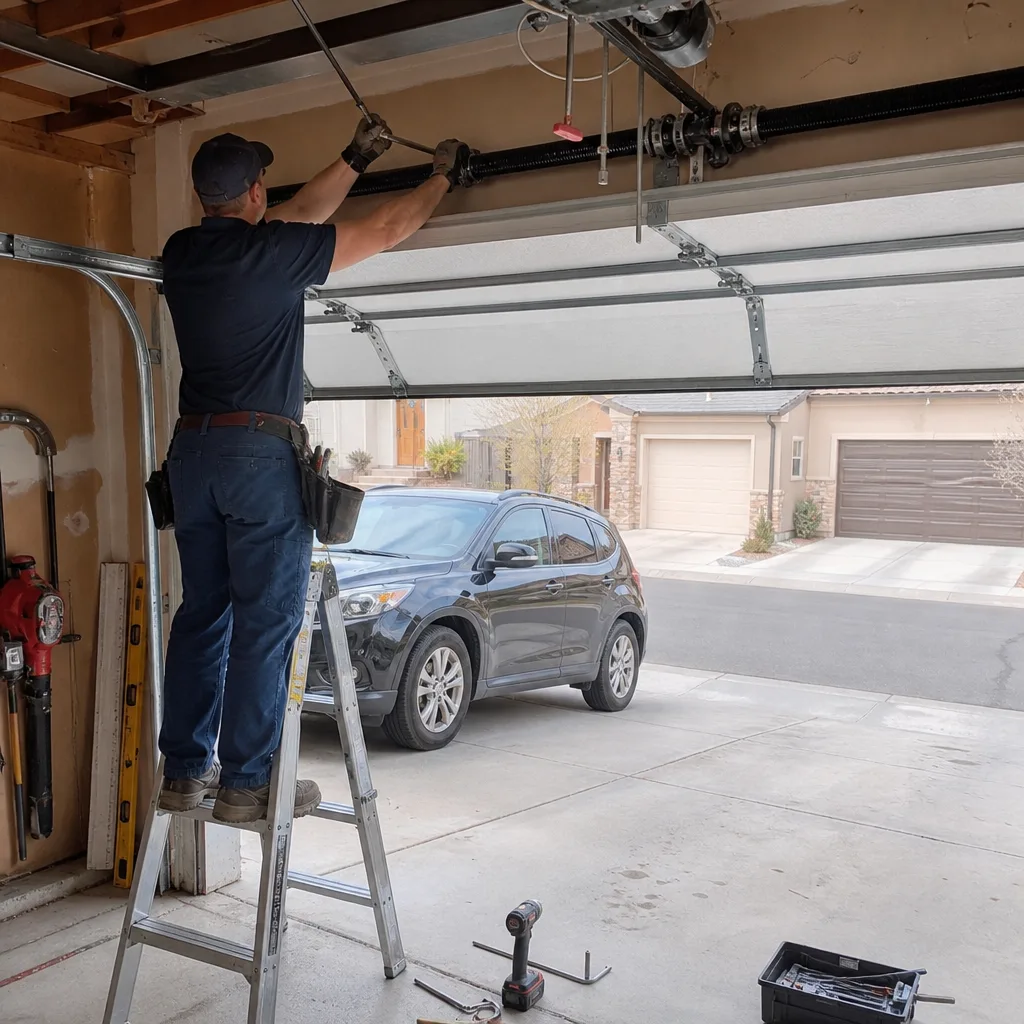
Last updated November 16, 2026
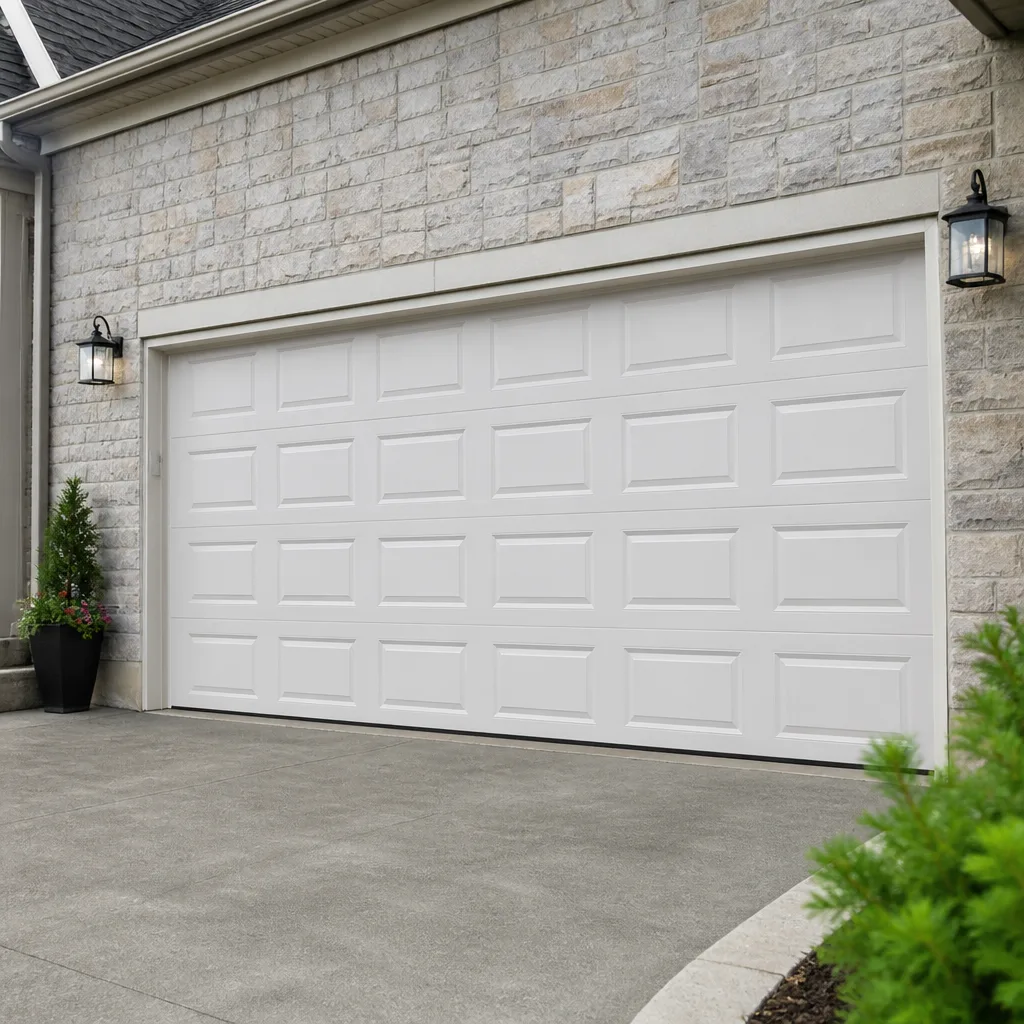 Raised-panel steel
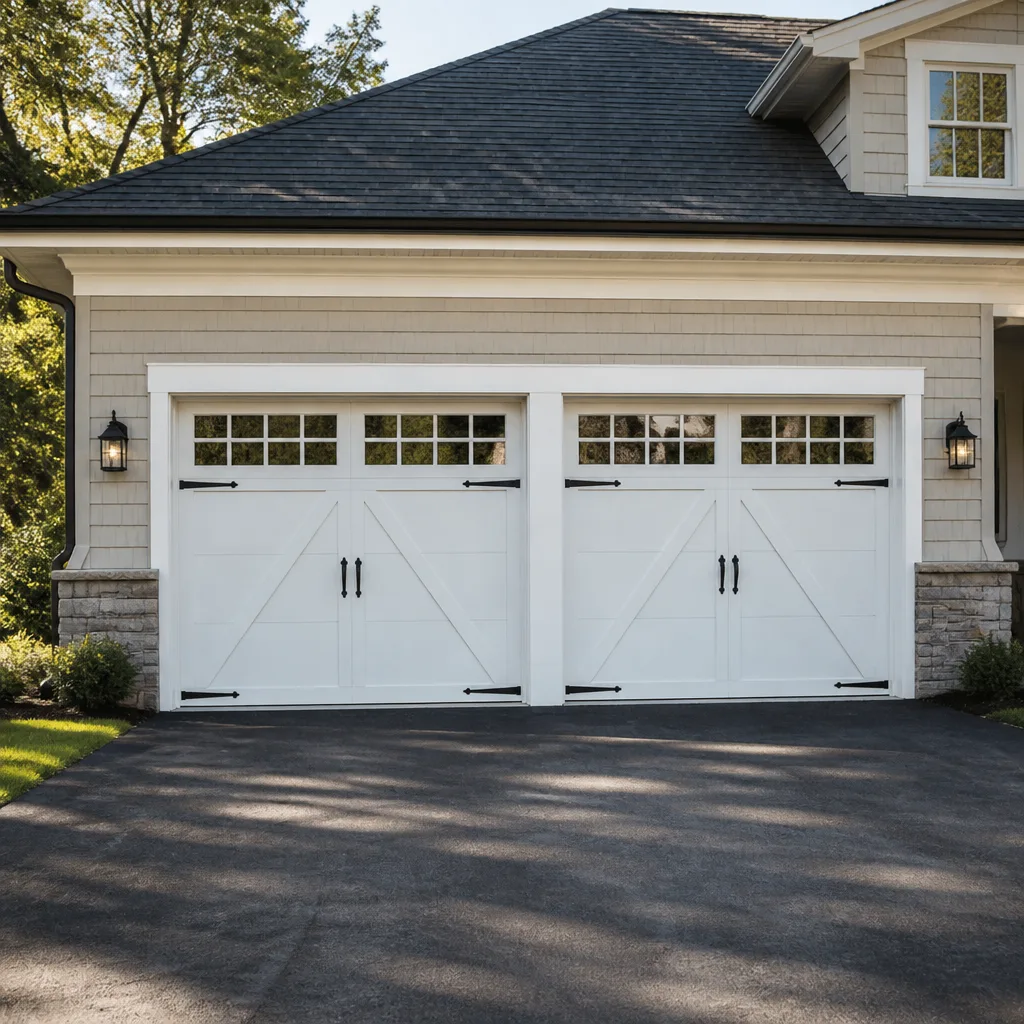 Carriage house
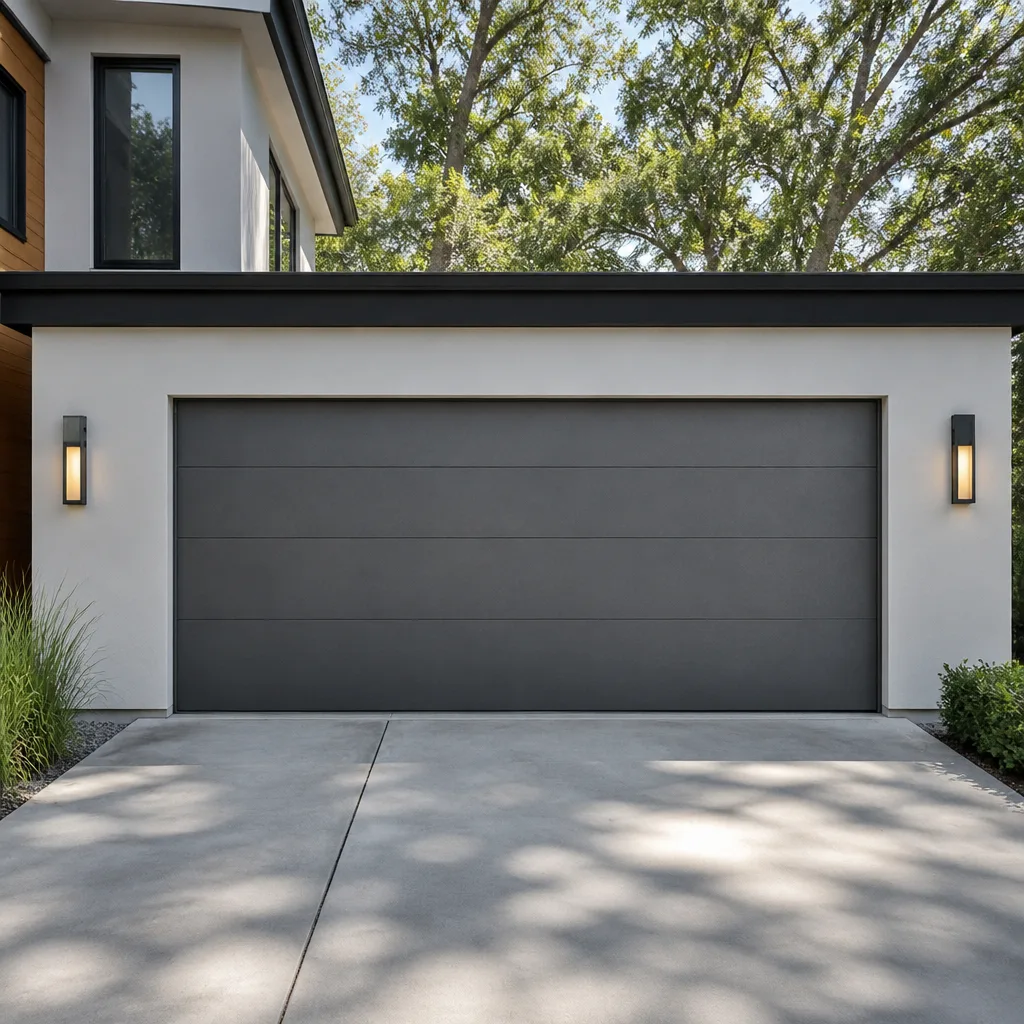 Modern flush
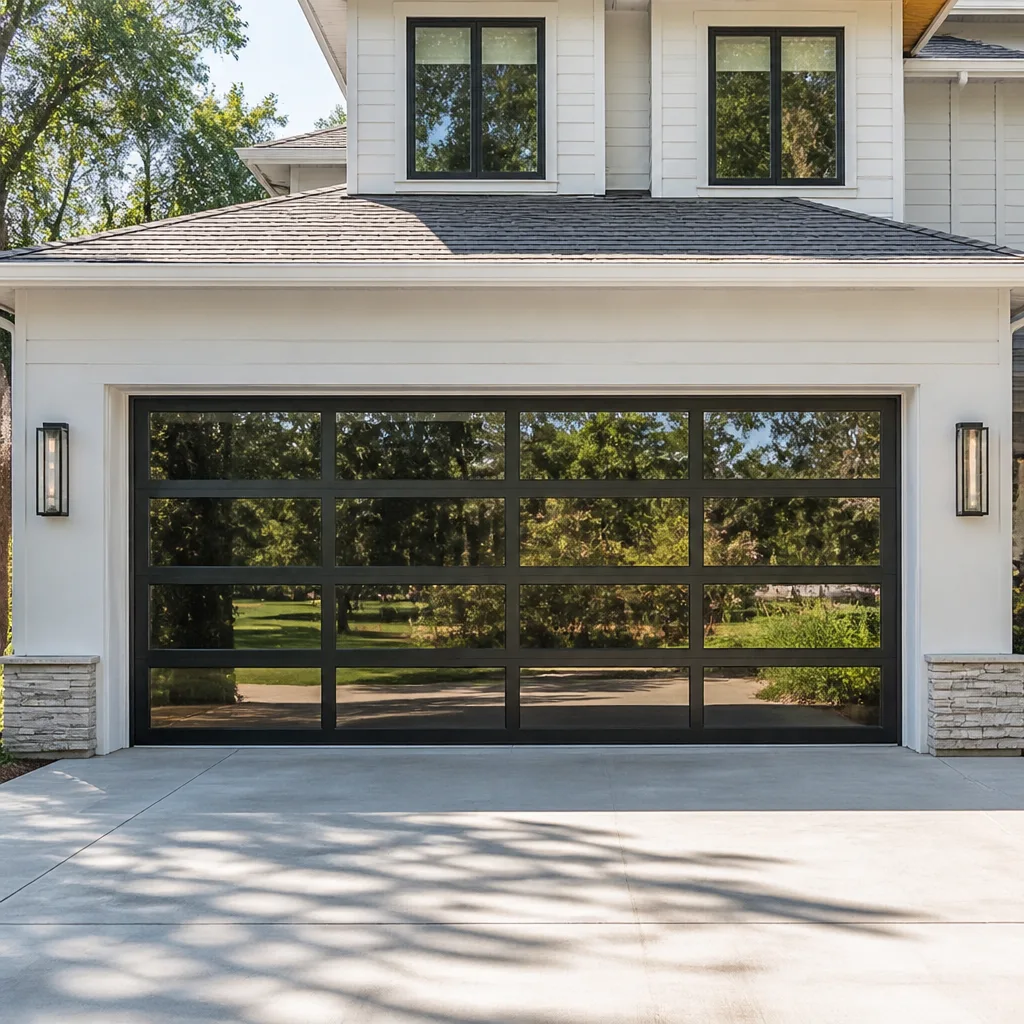 Full-view glass
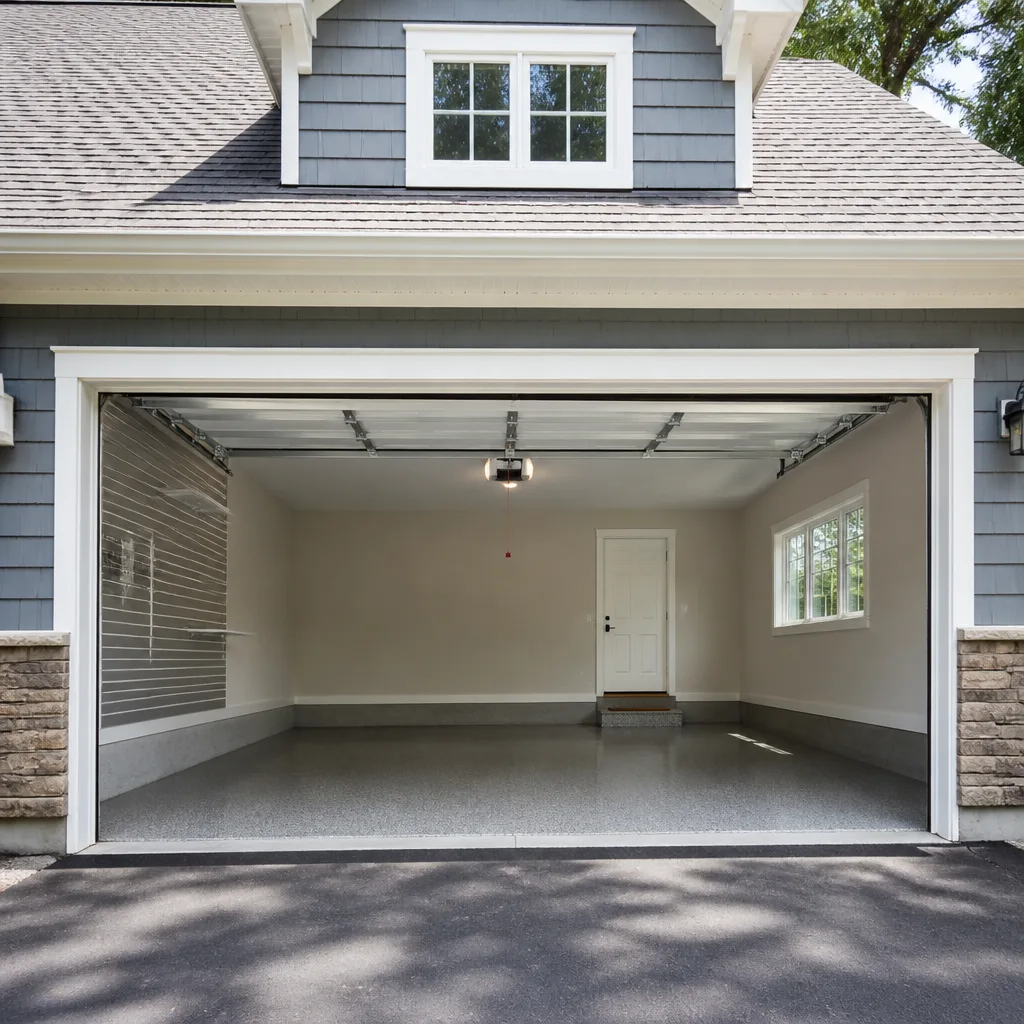 LiftMaster openers
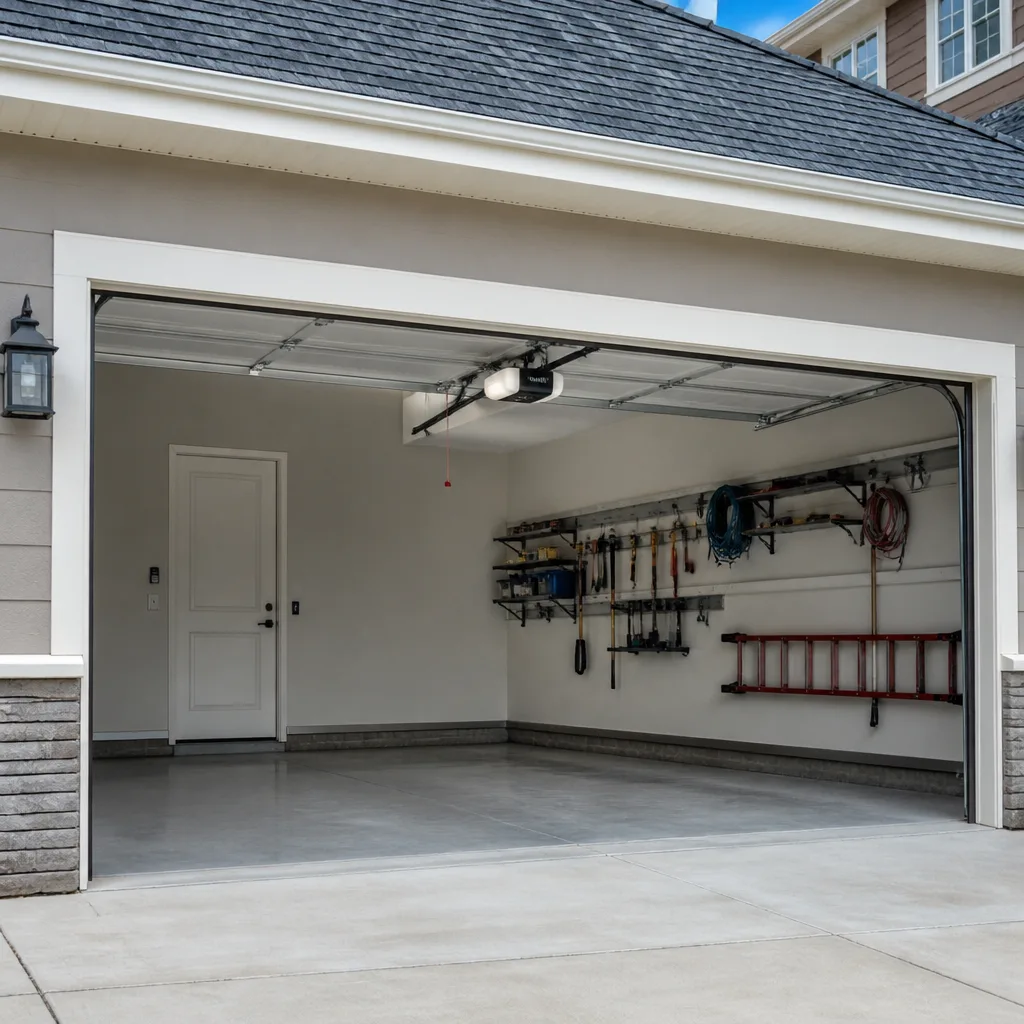 Chamberlain openers
Full 25-point door and opener safety check with every visit - springs, cables, rollers, tracks, and your LiftMaster or Chamberlain opener included
You get a price before we start. It does not change when the pro arrives.
Get your free estimateThe Complete Guide to Garage Doors in St. George
Most garage door guides are written for somewhere else. They assume mild summers, moist air, and a door that sits under cloud cover half the year. St. George runs on a different script: intense high-desert sun, summer afternoons that regularly push past 110°F, and a fine red dust that finds its way into every moving part. A door that would coast through a decade in a northern market can show real wear far sooner here. In this guide, we walk through how the St. George environment reshapes the service life of springs, cables, seals, and panels, which materials hold up best, how to match your opener to your door weight, and when repair beats replacement.
Quick Answer
Garage doors in St. George wear faster than national averages because of extreme UV exposure, wide daily temperature swings, and blowing sand and grit, which together age springs, dry out seals, and stress panel joints. The practical response is to choose UV- and heat-tolerant materials, keep the door balanced and lubricated, and have springs and cables inspected on a shorter interval than a generic guide would suggest. Repair usually wins over replacement until the panels themselves are compromised.
Styles & brands we work with
- Raised-panel steel
- Carriage house
- Modern flush
- Full-view glass
- LiftMaster openers
- Chamberlain openers
Table of Contents
- How St. George’s Climate Ages a Garage Door
- Springs, Cables, and Seals: The Parts That Fail First
- Which Door Materials Handle the Desert Best
- Why Insulation Matters in St. George Even Without Climate Control
- Matching Your Opener to Your Door Weight
- A Realistic Service-Life Timeline for St. George
- Repair vs. Replace: How to Decide
How St. George’s Climate Ages a Garage Door
St. George averages more than 300 days of direct sun per year, and summer highs routinely reach 110°F. Those two facts alone reorder the wear priorities on a garage door. A south- or west-facing door here doesn’t just get warm; it cycles through a large temperature swing every single day, expanding in the afternoon and contracting overnight. Metal fatigues under that rhythm. Paint and finishes chalk and fade. Rubber seals harden and shrink. The guide you’d read about a coastal or northern door would have you watching for rust and salt damage first. Here, the first enemies are heat, UV, and grit.
The St. George basin also funnels wind and fine red sand across driveways and door faces. That grit works into the tracks, the rollers, and the bottom seal, acting like a slow abrasive every time the door travels. Multiply that by several open-and-close cycles a day and you get accelerated wear on the very parts that keep the door balanced and quiet.
What this means in practice:
- Springs fatigue sooner. Heat and constant cycling shorten the life of both torsion and extension springs.
- Seals dry out. The bottom weather seal hardens, cracks, and stops sealing against dust and heat.
- Finishes fade. UV breaks down paint and powder coat, especially on unshaded faces.
- Rollers and hinges wear faster. Sand in the tracks grinds metal against metal.
None of this is a reason to panic. It’s a reason to inspect and service on a schedule tuned to the desert rather than to a generic national average. If something has already failed, our garage door repair team can diagnose it and tell you plainly whether it’s a fix or a replacement.
Springs, Cables, and Seals: The Parts That Fail First
Under St. George conditions, the components that fail first are almost always the ones under constant mechanical load: the springs, the cables they tension, and the seals that take the brunt of sun and grit. Springs are rated in cycles, and heat plus heavy daily use burns through those cycles faster here than in a cooler climate. When a spring lets go, it usually happens with a loud bang, and the door becomes too heavy to lift safely by hand.
A safety note that matters: garage door springs and the cables under tension are genuinely dangerous. A torsion spring stores enough energy to cause serious injury, and the correct winding requires specialized tools and training. We don’t recommend adjusting, winding, or removing springs or cables yourself. This is a job for a trained technician.
What a technician checks on a spring-and-cable inspection:
- Spring condition and cycle count. Visible gaps, stretch, or a door that feels suddenly heavy signal a tired spring.
- Cable wear and fraying. Frayed strands mean the cable is close to failing and should be replaced.
- Balance test. A door that won’t hold roughly halfway open is out of balance and stressing the opener.
- Bottom seal integrity. A hardened, cracked seal lets in dust, heat, and pests and should be replaced.
- Track alignment and roller condition. Grit and heat warp tracks and flatten rollers.
The bottom seal is the cheapest of these to address and the one St. George homeowners overlook most. Replacing a dried-out seal is quick and keeps the desert out of your garage. Springs and cables are the high-stakes items; treating them as consumables on a shorter inspection cycle is the single best habit you can build here.
Which Door Materials Handle the Desert Best
Material choice is where a St. George homeowner can get ahead of the climate instead of reacting to it. The three common families are steel, aluminum, and composite, and each handles sun, heat, and sand differently. Steel is the most widely installed and, in the right gauge and finish, holds up well. Thicker steel resists denting and the panel flex that heat cycling causes. Look for a baked-on finish rated for sun exposure rather than a thin coat that chalks within a few summers. Aluminum resists rust completely and is light, which is easy on the opener, but thin aluminum dents more readily and can feel flimsy in a big door. Composite and wood-look products resist heat and moisture and won’t rust, but their finish quality varies, so the manufacturer’s UV rating matters.
Against blowing sand, the closed-cell construction and the quality of the seals matter as much as the panel material. A door with tight bottom and side seals keeps grit out of the tracks. Doors from established manufacturers like Clopay and Amarr are built with these desert realities in mind across their insulated lines, and knowing the specific system is part of getting the tension and hardware right. When we install, we match the door and hardware to your actual exposure, not to a one-size catalog page.
- Best all-around for St. George: insulated steel in a heavier gauge with a UV-rated finish.
- Lightest option: aluminum, good for rust resistance but watch for denting.
- Best wood-look without the upkeep: composite, if the finish carries a real UV rating.
- What to avoid: thin, unrated finishes and uninsulated panels on south- and west-facing doors.
Why Insulation Matters in St. George Even Without Climate Control
You might assume insulation only matters if you heat or cool your garage. In St. George, insulated doors earn their keep for a different reason: thermal stability. When the sun beats on a single-skin steel panel and the temperature swings from a cool morning to a 110°F afternoon, the panel moves. Repeated expansion and contraction over years can warp panels and stress the joints and hardware. An insulated door with a bonded core resists that heat cycling far better because the panel is stiffer and reacts more slowly to temperature swings.
Insulation also quiets the door, and a quieter door is easier on the opener and the household. Beyond that, the fine red dust that permeates the valley is easier to keep out of an insulated garage, and any space you use for storage, a workshop, or a workout area benefits from a more stable temperature. The point isn’t that every St. George homeowner needs a fully conditioned garage. It’s that insulation buys durability and panel stability in a climate that punishes uninsulated metal, and that’s a return you see even if you never turn on a heater.
If you’re weighing a new door, this is the moment to match the door’s weight and stiffness to what your opener can actually handle. An insulated door is heavier, and an undersized opener will labor and fail early. That connection between door and opener is the subject of the next section, and it’s one of the most common mismatches we see.
Matching Your Opener to Your Door Weight
Here’s a mismatch that shows up constantly in the St. George market: an insulated door paired with an opener that was chosen for its price tag, not its lifting capacity. Big-box stores sell openers by horsepower rating, and a homeowner replacing a light door or buying a new setup may grab a unit that looks sufficient on the box but struggles with a heavier insulated door. The result is a motor that runs hot, strains, and eventually quits, or a logic board that throws fault codes because the door is too heavy for the travel limits it’s trying to hold.
Matching the opener to the door comes down to a few factors:
- Door weight. Insulated doors weigh more than single-skin doors of the same size; the opener must be rated for it.
- Door balance. A properly balanced door feels light because the springs carry most of the weight. If it’s unbalanced, the opener fights the door.
- Drive type. Belt, chain, and screw drives differ in noise and durability; belt drives suit attached garages.
- Brand and parts. Openers from LiftMaster and Chamberlain are widely installed here, and sticking with a known system makes parts and service simpler.
One discipline we hold to: opener problems are their own category. A failing remote, a blinking safety sensor, a logic board, or a motor that hums without moving are all diagnosable without jumping straight to replacement. We isolate the actual fault first. If your opener is misbehaving, our garage door opener repair service works on the specific component instead of defaulting to a whole new unit.
A Realistic Service-Life Timeline for St. George
Manufacturers publish service-life expectations for mild conditions. St. George is not a mild market, so treat those numbers as a ceiling, not a promise. The timeline below reflects how components tend to hold up under the desert’s sun, heat, and grit. These are typical ranges, not guarantees, and how hard a door works each day shifts them further.
- Torsion springs: expect a shorter life than the national cycle estimate because of heat and heavy daily cycling. Fatigue shows as a heavy door.
- Extension springs: similar story; heat and cycling speed the wear, and safety cables should always be in place.
- Cables: watch for fraying faster in gritty conditions; inspect on a shorter interval.
- Bottom seals: dry out and crack faster under UV; plan to replace them more often than a northern guide suggests.
- Rollers and hinges: grit and heat wear these faster; lubrication and cleaning extend their life.
- Panel finish: UV fades paint and powder coat on unshaded faces sooner; a UV-rated finish lasts noticeably longer.
- Opener: a correctly matched, well-balanced unit lasts well; an undersized one on a heavy insulated door does not.
The takeaway isn’t a fixed schedule. It’s that St. George pushes every wear part toward the earlier end of its range, so inspections should happen sooner and more often than a generic checklist recommends. If your door is due for a look, our Rosemont Garage Door Service team handles the inspection, the fix, and the upgrade as one specialist.
Repair vs. Replace: How to Decide
This is the question that brings most homeowners to a guide like this, and it deserves a straight answer. For most St. George doors, repair wins until the structural panels themselves are compromised. A snapped spring, a frayed cable, a dead opener board, a worn seal, or a set of tired rollers are all fixable, often the same day, and fixing them keeps a good door in service. Replacement starts to make sense when the panels are bent, rusted through, or so heat-warped that the door no longer seals or runs true, or when repeated failures point to a door at the end of its life.
Here’s a simple way to think it through:
- Is the door structure sound? If panels are straight and solid, repair is usually the right call.
- Is it one part or many? A single failed component is a repair. Multiple failing parts at once may tip toward replacement.
- Is it balanced and safe? A door that runs rough after repair may need new hardware, not a new door.
- Would a new door solve a real problem? Better insulation, a UV-rated finish, and a properly matched opener are legitimate reasons to upgrade.
We lean toward repair first because a good door with fresh hardware and springs is often the smarter spend, and we’ll tell you honestly when a replacement makes more sense. Our St. George customers get that straight answer before any work begins, with the price quoted and agreed up front.
Common Mistakes to Avoid
- Ignoring the bottom seal. In a dusty, sunny climate the seal dries out fast; letting a cracked seal stay lets grit into the tracks and heat into the garage.
- Skipping lubrication. Tracks, rollers, and hinges need periodic lubrication here because sand and heat dry them out faster than in a cooler market.
- Buying an opener by price alone. An undersized opener on a heavy insulated door strains and fails early; match the unit to the door’s weight.
- Trying to adjust springs yourself. Springs and cables store dangerous energy; this is work for a trained technician, full stop.
- Letting a door run out of balance. A door that won’t hold halfway open is stressing the opener and hardware; get it rebalanced.
- Assuming a national service-life number applies. St. George heat and UV shorten the life of springs, seals, and finishes; inspect sooner.
- Replacing the whole opener for a small fault. A bad remote, sensor, or logic board is often a targeted repair, not a new unit.
See the difference
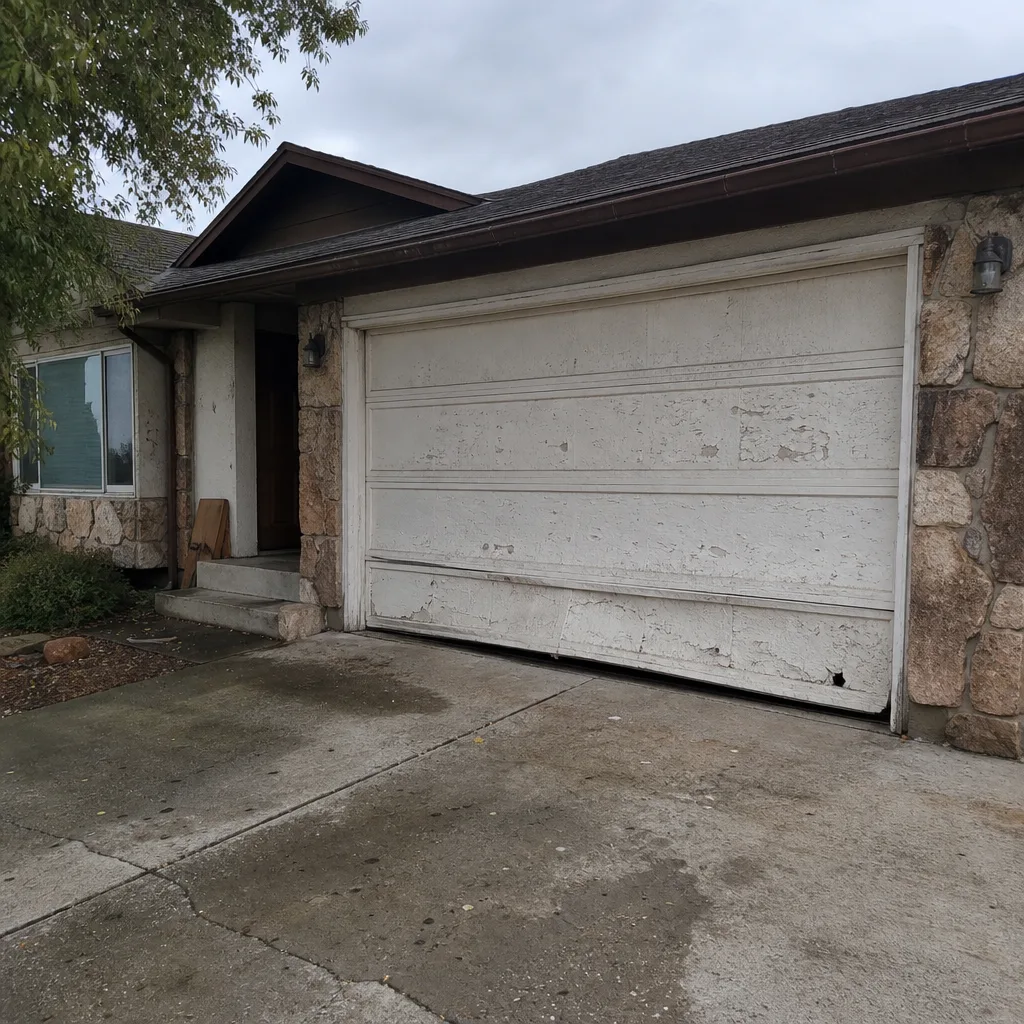 Before
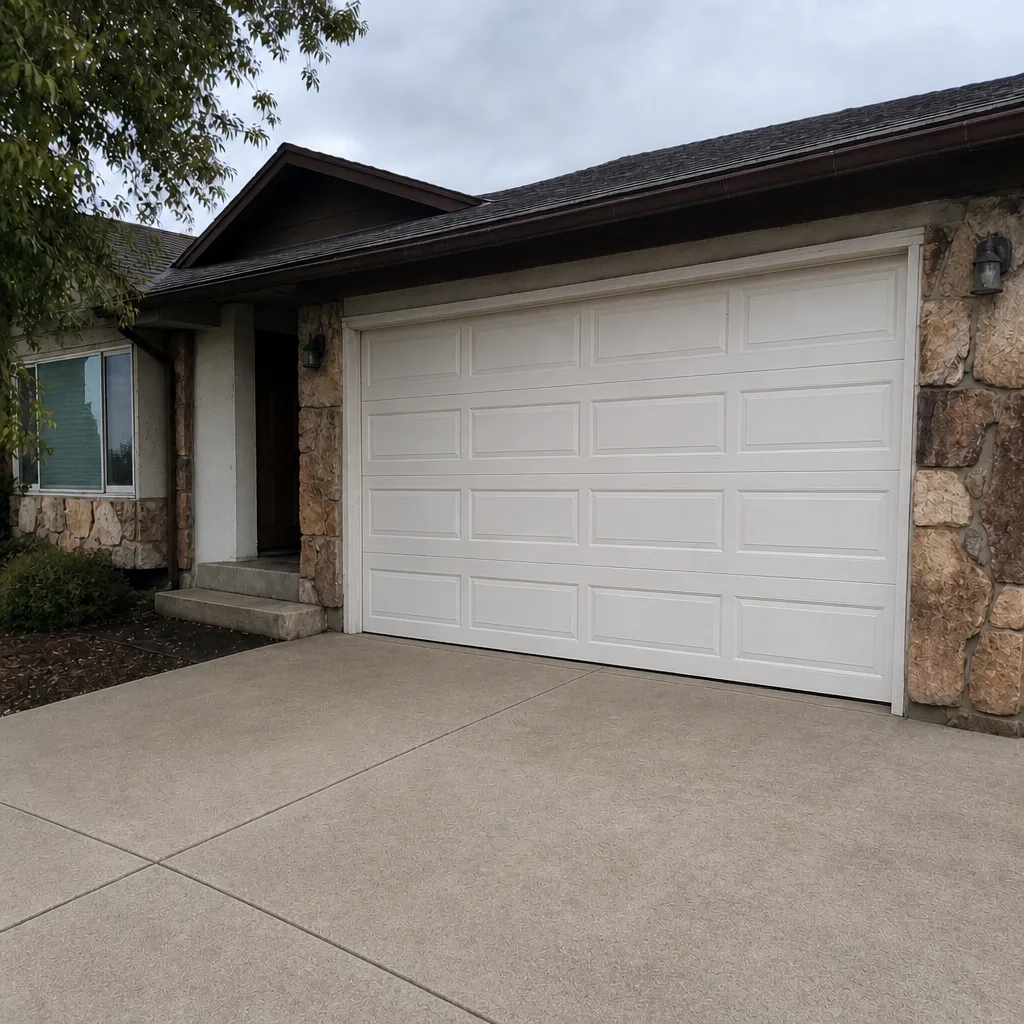 After
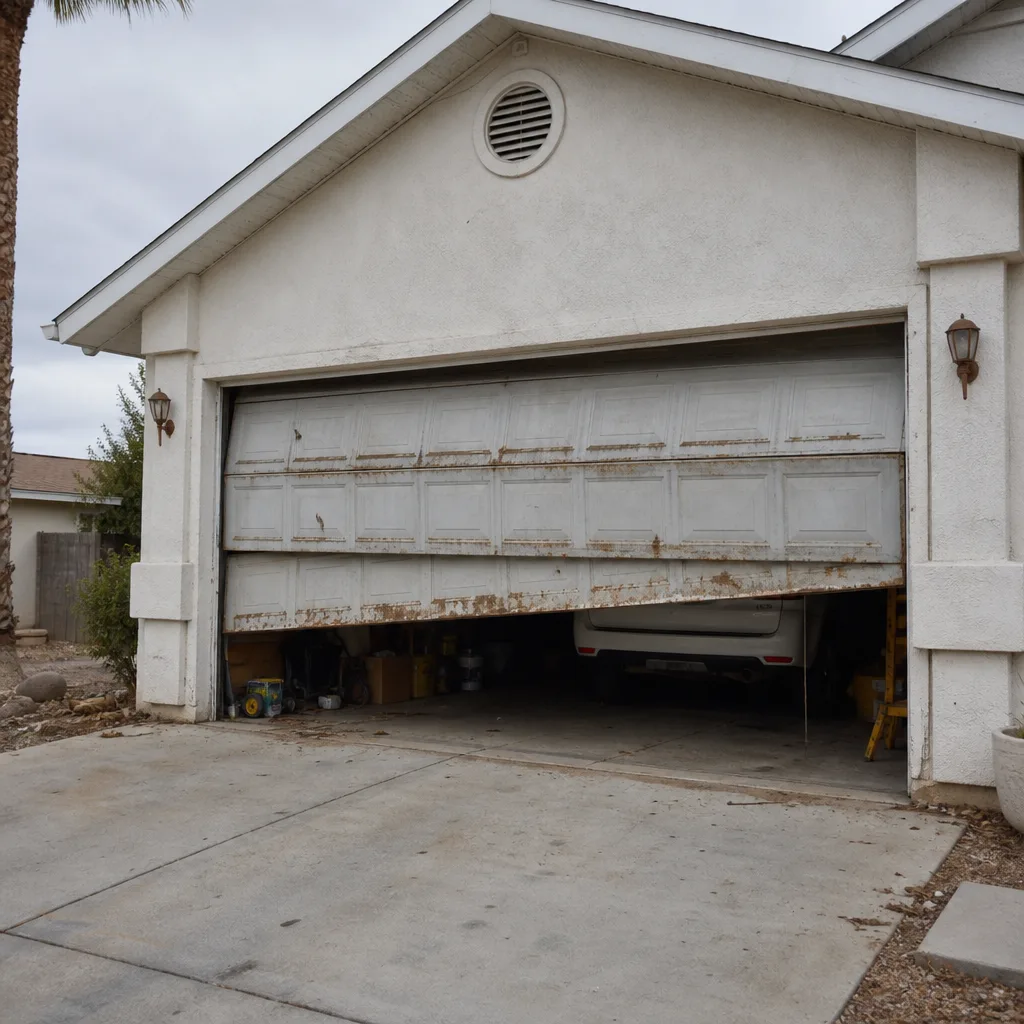 Before
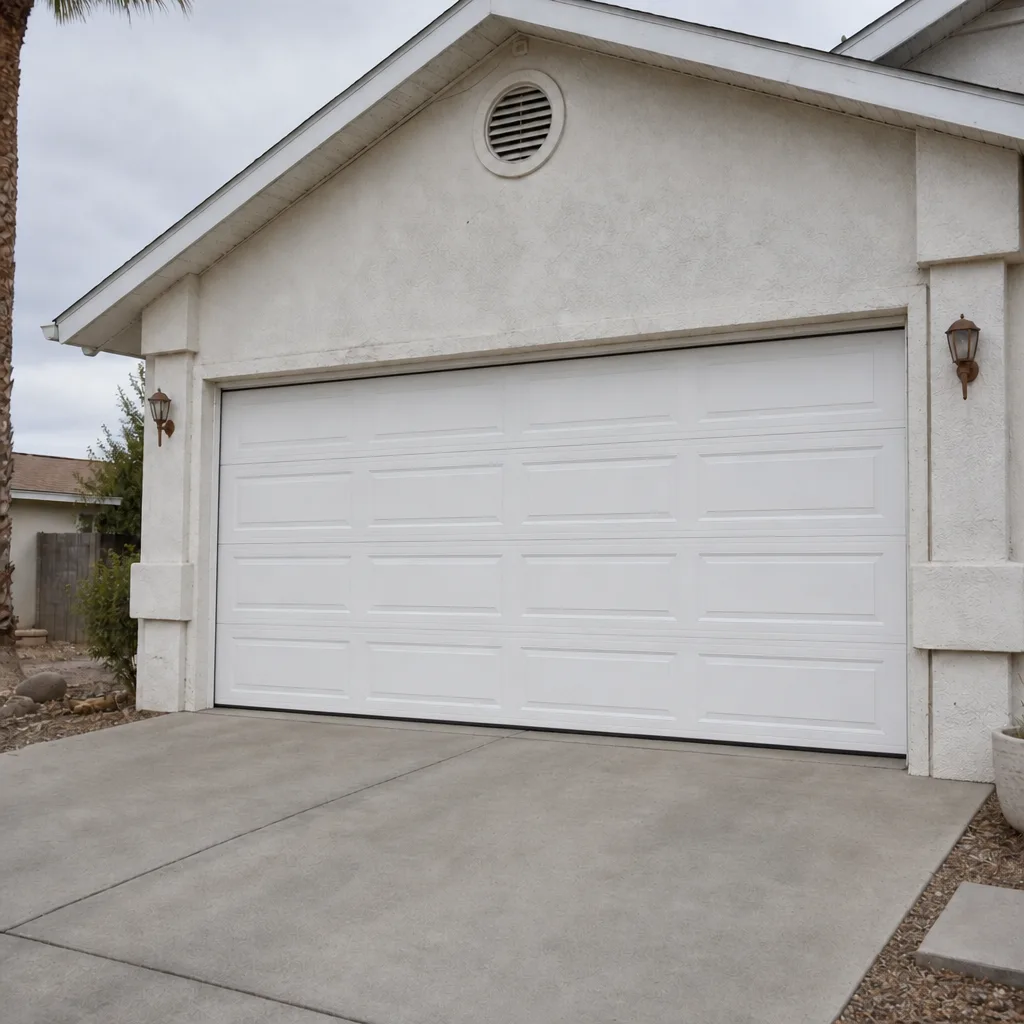 After
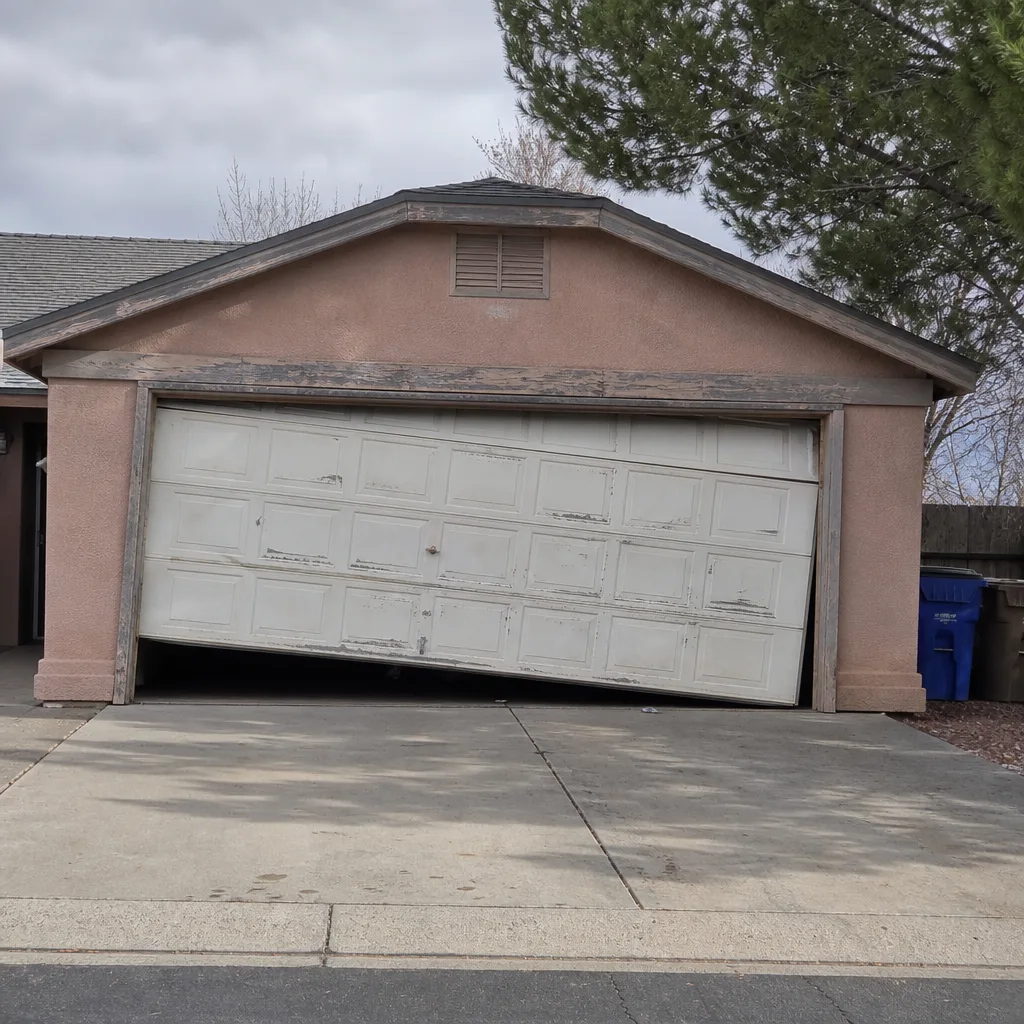 Before
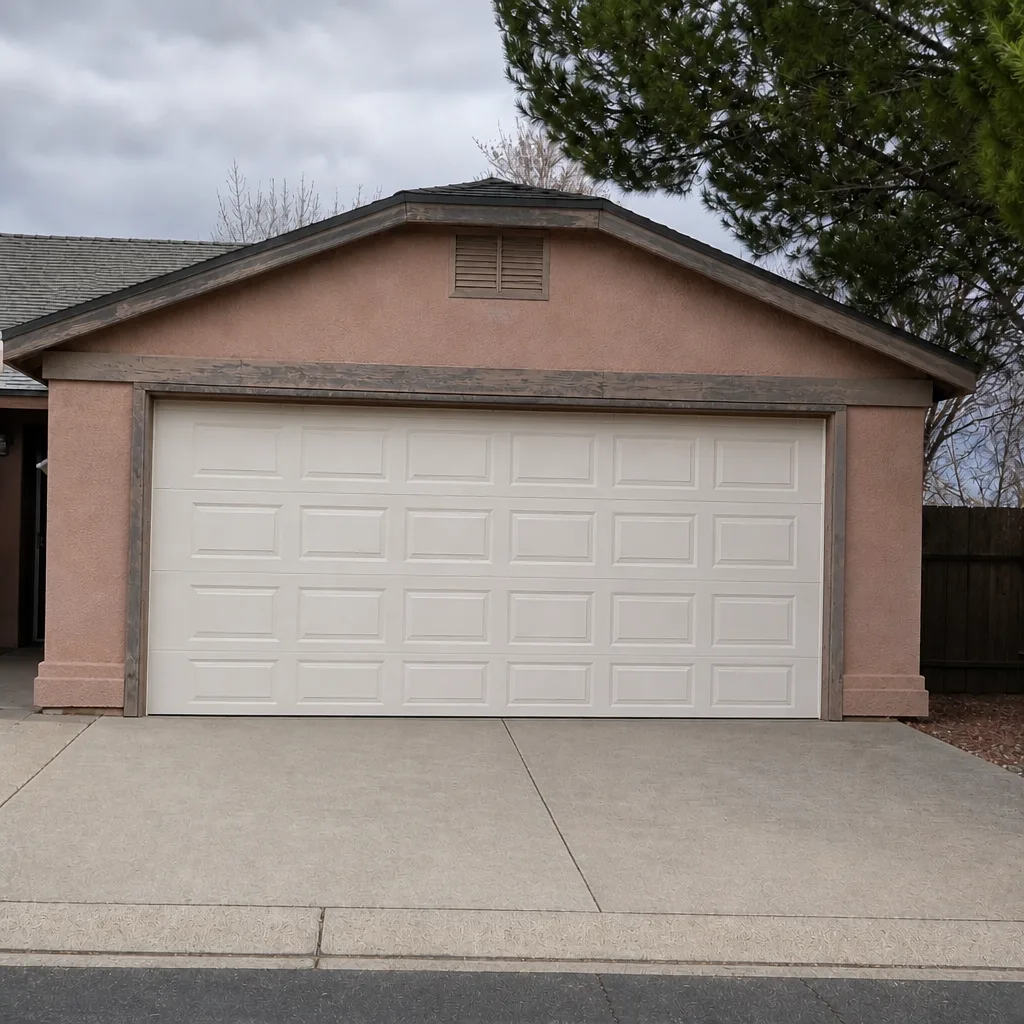 After
When to Call a Professional
Some jobs are a quick inspection. Others are a call to a specialist. Call a professional when a spring breaks or the door suddenly becomes too heavy to lift, when a cable looks frayed or has come off its drum, when the door is badly out of balance, or when panels are warped or the door won’t seal. Call us as well if your opener hums without moving the door, throws fault codes, or a safety sensor stops working. And call before you try to adjust springs or cables yourself, because those carry real injury risk. Rosemont Garage Door Service offers free estimates in St. George; call (866) 389-3687. We answer 24/7. Fast dispatch from 7am to 7pm, Sunday through Friday.
Frequently Asked Questions
More often than a generic national guide suggests, because heat and heavy daily cycling accelerate spring fatigue in the desert. A yearly inspection is a reasonable starting point, and sooner if the door feels heavy or you’ve heard a bang from the garage. Call (866) 389-3687 for an exact quote on a spring inspection – estimates are free.
Intense UV and constant sun dry out the rubber in the bottom seal, causing it to harden and crack sooner than in milder climates. Replacing a worn seal is a quick fix that keeps dust and heat out of your garage. Call (866) 389-3687 and we’ll take a look.
Yes, because insulation stabilizes the panel against the wide daily temperature swings St. George sees, which reduces warping and stress on the hardware. It also quiets the door and helps keep the red dust out. Call (866) 389-3687 for a free estimate on an insulated replacement.
No, the opener has to be rated for the door’s weight, and insulated doors are heavier than single-skin ones. An undersized opener strains and fails early. Call (866) 389-3687 and we’ll match the right unit to your door.
Repair usually wins unless the panels themselves are bent, rusted, or heat-warped beyond sealing. A single failed part like a spring or opener board is a repair; widespread panel damage points toward replacement. Call (866) 389-3687 for a free estimate and a straight recommendation.
Yes, our technicians are state-licensed and insured, and they carry up to 13 years of experience. The written estimate sets the price, and it’s quoted and agreed before any work starts. Call (866) 389-3687 for an exact quote – estimates are free.
The Bottom Line
St. George is a demanding home for a garage door. The sun, heat, temperature swings, and blowing grit wear springs, seals, and finishes faster than national averages assume, so the right response is to choose UV- and heat-tolerant materials, keep the door balanced and lubricated, match your opener to your door’s weight, and inspect on a shorter interval. Repair beats replacement until the panels themselves are compromised. And for anything involving springs, cables, or a door that has gone heavy, call a specialist rather than risk it. Our technicians have up to 13 years of experience with the systems installed in St. George homes.
Ready for a free estimate? Call (866) 389-3687. We answer 24/7. Fast dispatch from 7am to 7pm, Sunday through Friday.
Written by the team at Rosemont Garage Door Service.