
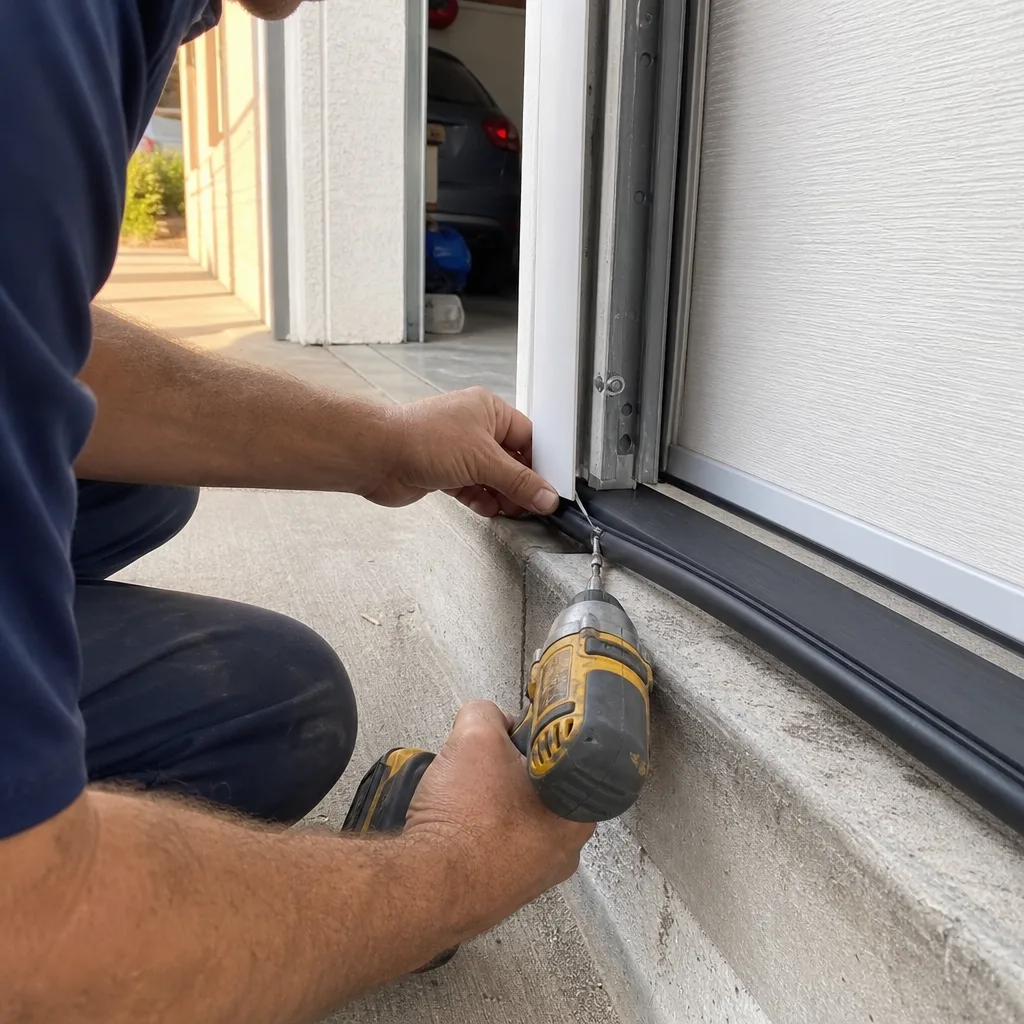
Last updated November 16, 2026
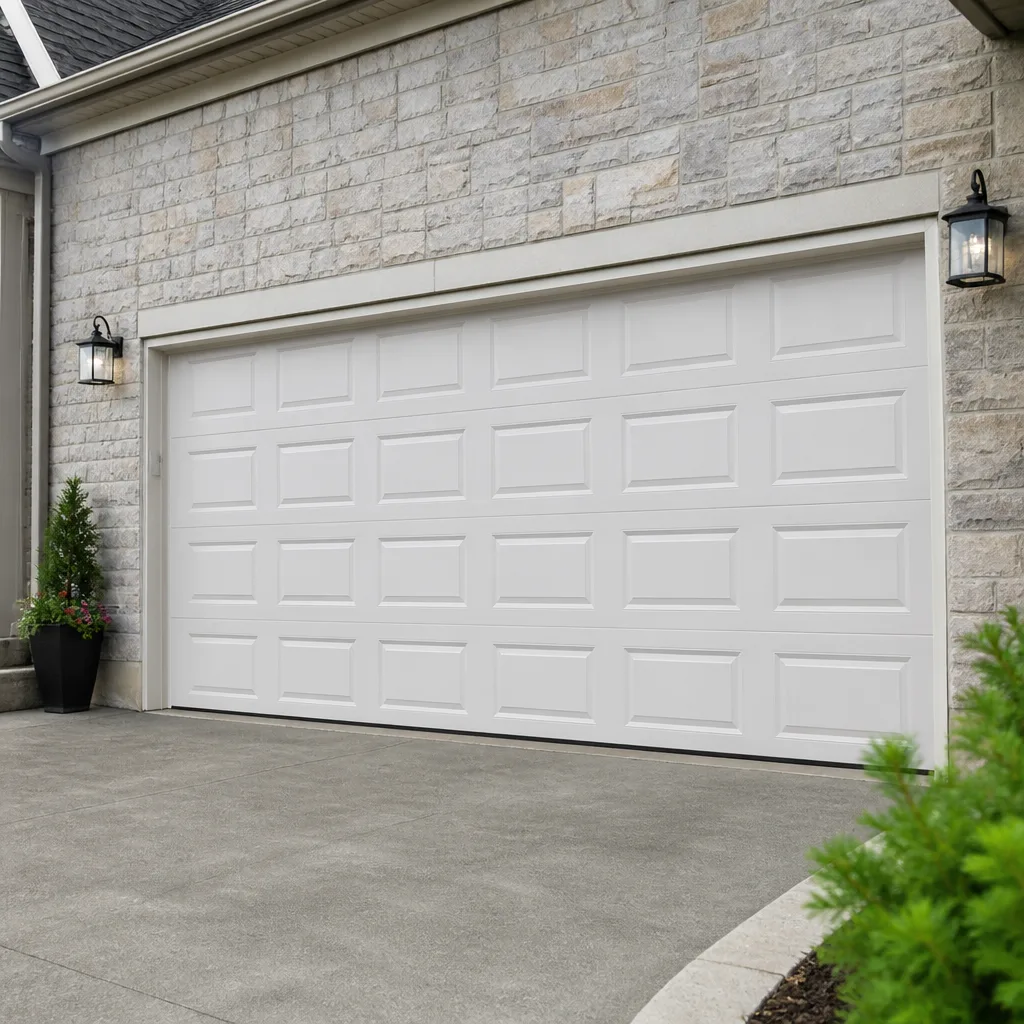 Raised-panel steel
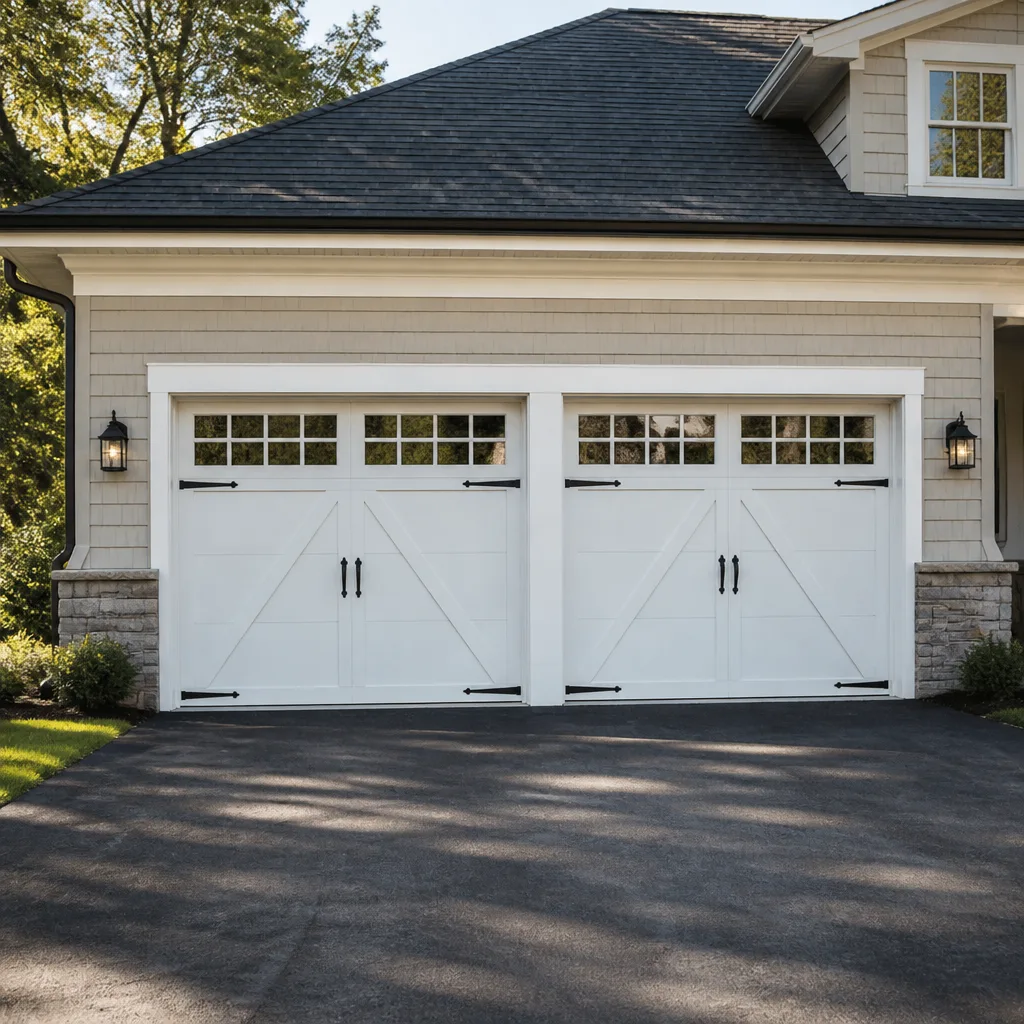 Carriage house
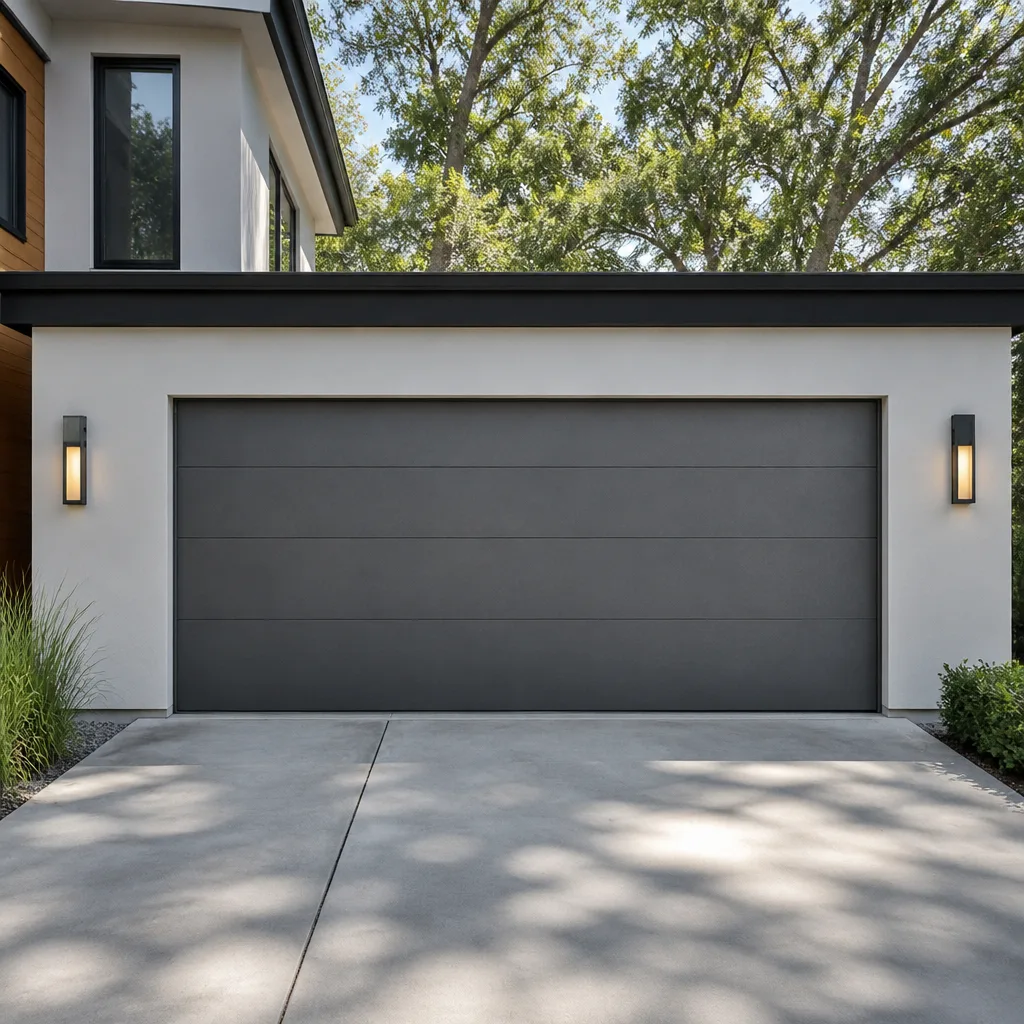 Modern flush
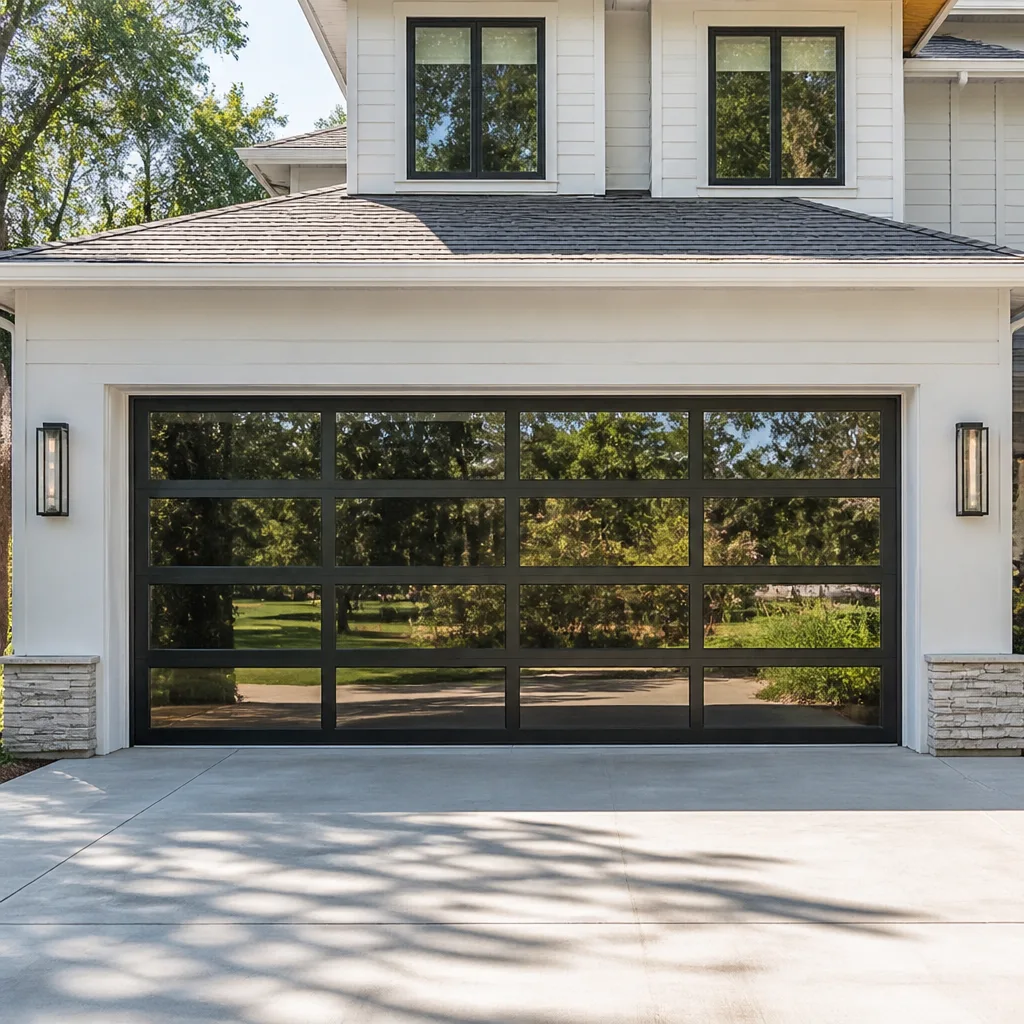 Full-view glass
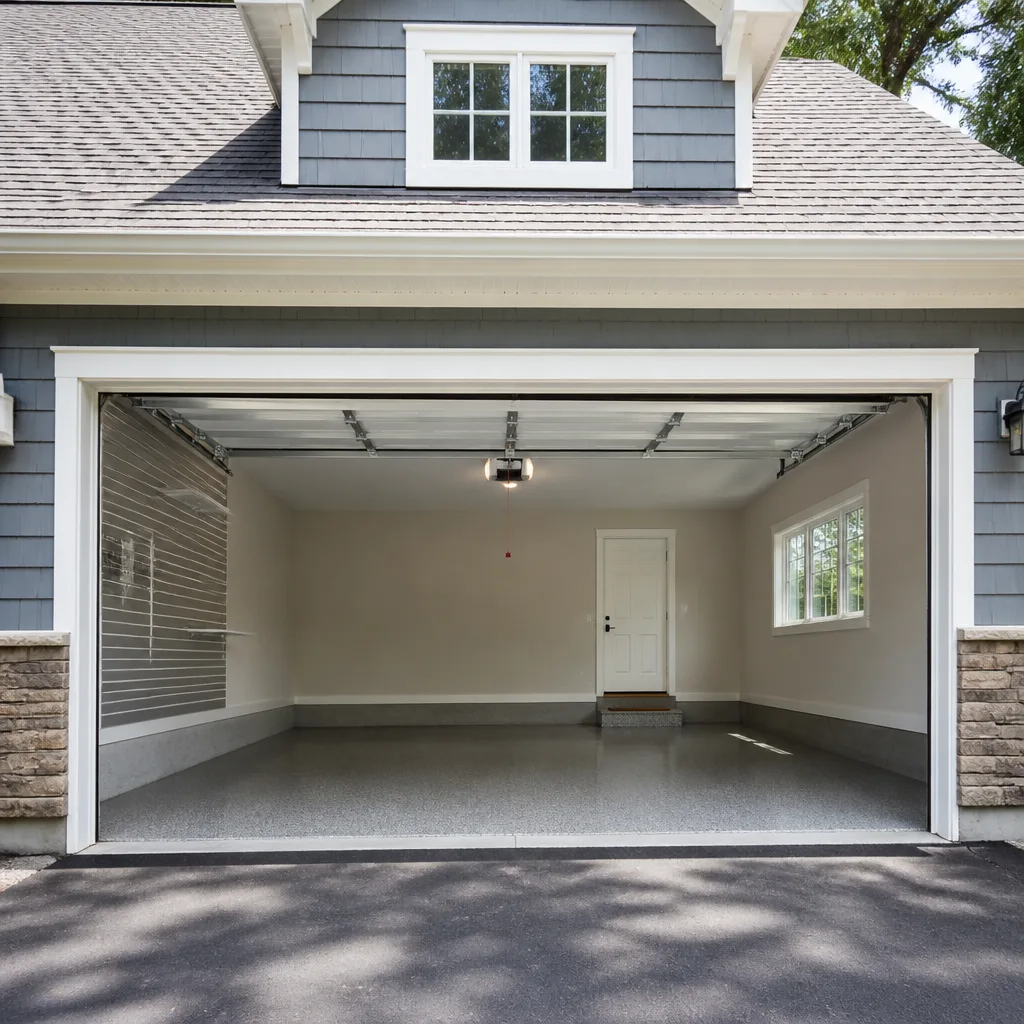 LiftMaster openers
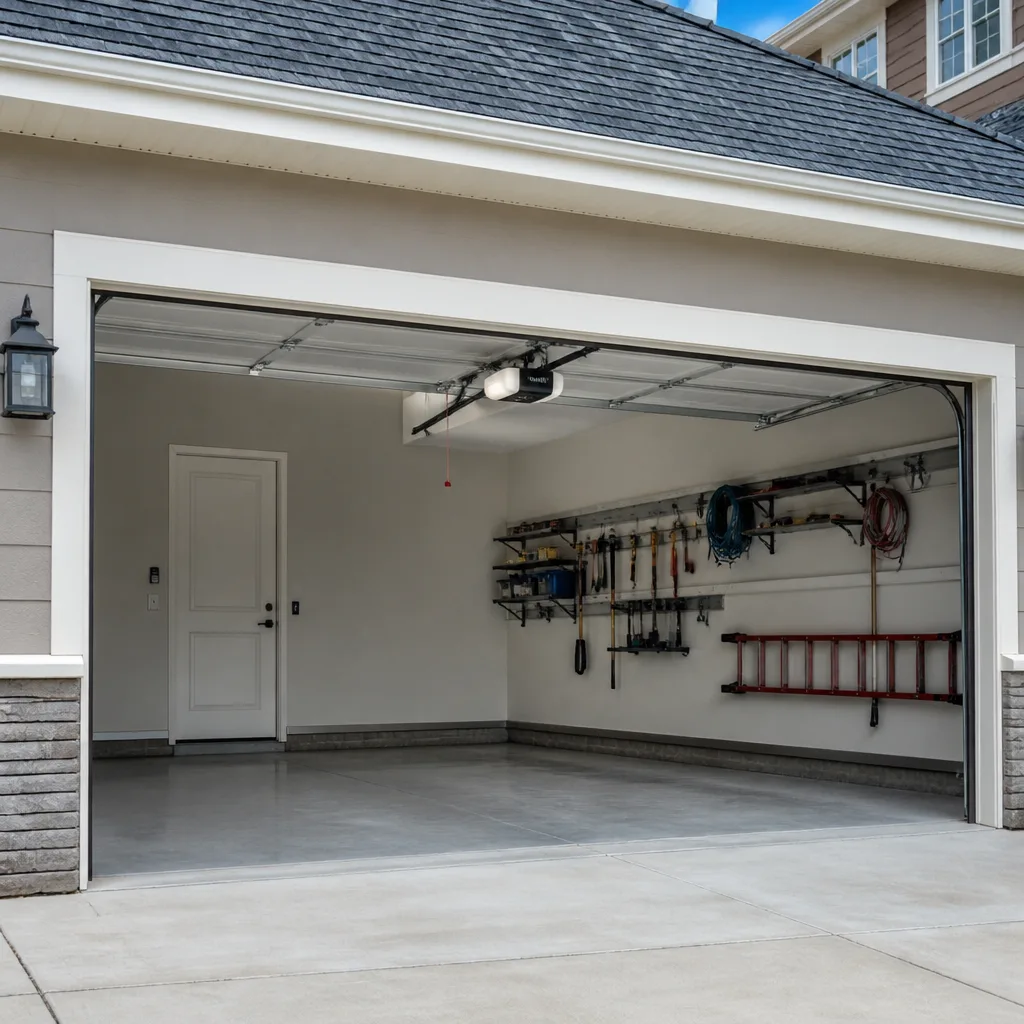 Chamberlain openers
Full 25-point door and opener safety check with every visit - springs, cables, rollers, tracks, and your LiftMaster or Chamberlain opener included
You get a price before we start. It does not change when the pro arrives.
Get your free estimateChoosing the Right Garage Door Brand: A Buyer’s Guide for St. George
The brand displayed most prominently at the nearest big-box store was designed around Midwest and Northeast market conditions. That’s not a disqualifier, but it does mean the standard color and finish options on that door may not carry the UV inhibitors needed to hold up under St. George’s sun index. This guide walks through what actually separates garage door brands for homes in St. George: UV-rated paint systems, steel gauge options, insulation core material, bottom seal standards, and warranty language that either addresses desert exposure or quietly excludes it. You’ll learn how to compare eight major manufacturers on the specs that matter here, when a commercial-grade step-up earns its price, and how to tell a rain-sun-thermal cycling climate apart from a generic national sales pitch.
Quick Answer
The right garage door brand for a St. George home is the one whose finish warranty explicitly covers sun and heat exposure, whose steel gauge matches the door’s weight and cycle count, and whose parts a local technician can source without waiting on a cross-country order. Name recognition matters far less than those three factors. In practice, that usually means prioritizing brands with UV-rated paint systems and polyurethane insulation over brands with the biggest display footprint in national retail.
Styles & brands we work with
- Raised-panel steel
- Carriage house
- Modern flush
- Full-view glass
- LiftMaster openers
- Chamberlain openers
Table of Contents
- Why Desert Specs Beat Brand Recognition
- Comparing Eight Major Brands on Desert Specs
- Why Warranty Language Matters More Than Warranty Length
- Residential Line vs. Commercial-Grade Options
- How Brand Authorization Affects Parts Availability in Washington County
- The Case for a Less-Recognized Brand With Better Specs
- What a Door Purchase Actually Looks Like, Step by Step
- Common Mistakes to Avoid
- When to Call a Professional
- Frequently Asked Questions
Why Desert Specs Beat Brand Recognition
St. George sits at roughly 2,800 feet in Utah’s high desert, where July afternoons regularly push past 105°F, winter nights drop below freezing, and the sun hits hard enough that paint fade is a visible problem within a few summers. A garage door here cycles through more thermal expansion and contraction in a single year than a door in Ohio might see in five. Repeated heating and cooling works the seams, the panel skins, and the finish itself, and it does so in a cycle that most national brand catalogs were not built around.
That’s why brand recognition is a weak guide. A national brand can be genuinely excellent and still ship a standard residential door whose paint system was tuned for a Midwest color palette and a moderate UV load. The question isn’t whether a brand is good. It’s whether that brand’s specific door line in that specific color and finish was built to survive what St. George throws at it.
What actually matters, in order of practical impact:
- UV-rated paint system. A factory-applied finish with UV inhibitors holds its color longer than a standard post-paint. In St. George, fading shows first on south- and west-facing doors, which is most of them.
- Steel gauge. Thicker steel resists denting and flexing better, but it’s heavier, which changes spring requirements and cycle wear. The right gauge depends on the door’s size and how it will be used.
- Insulation core material. Polyurethane foam insulates better per inch than polystyrene, which matters for a west-facing garage wall that bakes all afternoon.
- Bottom seal standard or upgrade. A good seal keeps dust, insects, and summer heat out. In a desert climate the seal takes more wear from grit and temperature swings than it would in a wetter market.
Every one of those four things is a numbered spec on a spec sheet. None of them shows up on a showroom display at 30 paces. If you’re comparing doors for a St. George home, write those four columns down before you shop a single door.
Comparing Eight Major Brands on Desert Specs
This is the section most buying guides skip. Below is how the eight brands we work with most often tend to line up on the specs that matter in this climate. Every brand makes multiple lines, and the entry line of a strong brand can be weaker on these points than the step-up line of a less famous one. Treat this as a starting frame, not a verdict.
Finish and UV handling
- Clopay. Offers multiple finish tiers, and it’s worth asking specifically which tier carries the UV-rated paint. The base finishes and the upgraded ones are not the same product.
- Amarr. Tends to build finish options into the door line itself rather than as an aftermarket add. Ask for the finish specification in writing.
- Wayne Dalton. Broad finish range across its lines, with color-and-finish packages that vary more than you’d expect between models.
- Raynor. Finish quality is generally strong, and the steel-gauge options are worth reviewing closely for heavier doors.
Steel gauge and weight
Gauge is where buyers get fooled by the word “steel.” A heavier-gauge door resists dents better but puts more load on springs, hinges, and the opener. In St. George, where doors face intense afternoon heat, flex and thermal cycling add to that load. The correct gauge for your door depends on width, height, and how many times a day it cycles, not on which number is lowest on the spec sheet.
Insulation core material
- Polyurethane. Higher insulation value per inch, denser, better at holding shape under heat. The better choice for a door that faces west in St. George.
- Polystyrene. Lighter, less expensive, and adequate on a shaded or north-facing door. On a sun-baked wall it’s the weaker option.
- Non-insulated. Fine for a detached shop or a door that doesn’t share a wall with living space. A poor choice for an attached garage in this climate.
Bottom seal standard vs. upgrade
Ask whether the bottom seal is included or an upgrade. On a standard door, a basic bulb seal is often the default, and a heavier brush or bulb-plus-finish seal is the upgrade. In a dusty, hot, dry market, the heavier seal pays for itself in fewer insects, less heat infiltration, and less wear. Get that answer in writing before you sign, because it’s the kind of detail that quietly shows up as a line item later.
For the opener side of the equation, the same discipline applies: LiftMaster, Chamberlain, and Genie each build to different logic-board and safety-sensor specifications, and the brand of opener influences which accessories and safety features integrate cleanly with a new door.
Why Warranty Language Matters More Than Warranty Length
A 15-year finish warranty that excludes sun exposure is worth less to a St. George homeowner than a 10-year warranty that covers it. This is the single most misunderstood part of buying a garage door in St. George, and it’s where most homeowners get burned without realizing it until year three.
Here’s the pattern. Most manufacturers advertise a finish warranty in years. That number sounds impressive and is easy to compare at a glance. But the terms underneath it are what determine whether a faded or peeling door gets replaced or denied. Common exclusions in finish warranties include:
- Fade or color change below a stated threshold
- Finish damage from exposure to salt, chemicals, or abrasive atmospheres
- Finish failure on doors exposed to “unusual” heat or sun loading
- Peeling or blistering attributed to environmental conditions rather than manufacture
- Cosmetic changes that don’t affect structural integrity
In a market with St. George’s sun index, “unusual sun loading” is not a stranger. It’s your south-facing door from May through September. When you’re comparing brands, ask these questions, and ask them in writing:
- Does the finish warranty explicitly cover UV fade and color shift, and at what threshold?
- What’s the geographic scope of the warranty, and does it exclude specific climate zones?
- Does the warranty transfer to a new owner if you sell the house?
- Are labor costs and shipping costs covered, or just the replacement part?
- What documentation does the manufacturer require to process a finish claim?
Brands that address desert exposure explicitly in warranty language are not necessarily the brands with the longest printed warranty. They’re the ones whose warranty was designed with a hot, high-sun market in mind. That alignment is what protects you.
Residential Line vs. Commercial-Grade Options
Every major brand sells a residential line and a commercial-grade option. The commercial line usually means heavier steel, thicker hardware, higher-cycle-rated springs and hinges, and a different warranty schedule. For most single-family homes in St. George, the residential line is the correct choice and the right value. But a specific set of local households cross into the commercial step-up territory, and it’s worth knowing whether you’re one of them before you shop.
The step-up tends to make sense when:
- The door cycles more than four times a day. A household with multiple drivers coming and going will wear out residential hardware faster than the cycle rating allows for.
- The door is oversized. A double-wide door in a full-sun exposure carries more load than a single-car door, and commercial hardware handles that load better.
- You’re installing a door on a detached shop or an RV bay. These doors often face heavy use, big spans, and hot interior conditions, and the step-up in hardware pays for itself.
- You want parts commonality. Commercial lines tend to use standardized hinges and rollers that technicians can source and replace easily.
The step-up does not make sense just because it’s “better.” On a standard two-car attached garage with two drivers and a moderate cycle count, the residential line is the correct spend. Add the money to the finish and insulation instead. That’s where St. George homes get the return.
How Brand Authorization Affects Parts Availability in Washington County
Here’s the part of the buying decision almost nobody considers until something breaks. When a spring snaps, a hinge fails, or an opener logic board dies, the question becomes: can a technician in Washington County source the part, or does it have to be ordered in from a warehouse two or more states away?
Brand authorization is the answer to that question. Authorized and factory-familiar technicians have direct parts channels, which shortens downtime. The brands we work with most often in St. George are LiftMaster, Chamberlain, Genie, Clopay, Amarr, Wayne Dalton, Craftsman, and Raynor. Each has its own parts ecosystem and its own ordering model, and the difference in lead time for a failing hinge or a failed opener board can be significant.
Three questions to ask before you buy any door or opener brand:
- Is this brand’s parts line widely carried by local suppliers, or is it special-order only?
- Can the door’s hinge and roller hardware be replaced with standard aftermarket parts, or does it require brand-specific parts?
- For the opener, is the logic board, travel limit module, and safety sensor set currently in production?
A well-known brand with special-order-only parts in your area is not a well-known brand to you when something fails. That’s why we care about brand authorization. It’s the difference between a repair that happens this week and a repair that gets scheduled around a warehouse order. The garage door repair side of this business lives and dies on parts availability, and it’s a factor most buyers weigh too late.
The Case for a Less-Recognized Brand With Better Specs
There’s a real argument for choosing a less-recognized brand with better desert-specific specs over a household name that was optimized for a different climate. It’s not contrarian for its own sake. It’s the practical outcome of the four-column comparison we covered earlier.
Here’s the case in plain terms. A brand built around Midwest and Northeast sales volumes is going to tune its standard line for those markets. That means the standard finish, the standard insulation, and the standard seal are chosen for moderate UV, moderate humidity, and moderate temperature swings. A smaller or more regionally focused brand may have built its line around a hotter, sunnier market, which means the default finish is UV-rated and the default insulation is polyurethane. In that pairing, the underdog wins on the specs that matter here, regardless of showroom presence.
What you’re paying for in the name brand is not always better specs. Sometimes it’s better marketing, wider dealer networks, and a stronger secondhand value when the door sells with the house. Those are real. But on a St. George home where the door is exposed to 100°F-plus sun for months, the finish and the insulation earn their keep every single summer, and the marketing doesn’t.
The middle path is often best: a name brand’s step-up finish package, if it’s explicitly UV-rated, paired with polyurethane insulation and a proper bottom seal. You get the parts network and the warranty infrastructure without compromising the four specs that matter. What you’re aiming for is a door whose finish was chosen for exposure, whose steel gauge was chosen for your specific door size, and whose insulation was chosen for a west-facing wall.
What a Door Purchase Actually Looks Like, Step by Step
Brand choice is the first decision, but the door has to be measured and specced before any manufacturer fulfills the order. Here’s the sequence a St. George homeowner goes through, and what to expect at each stage.
- Measure the opening. Trained technicians record the rough opening, the headroom, the backroom, and the side clearance. These numbers decide which doors from which brands can even fit. A door that looks right in a showroom may not fit a St. George opening with a low-headroom track.
- Confirm the door’s cycle requirement. The homeowner’s daily use pattern determines which spring cycle rating and which steel gauge make sense. A heavy daily-use pattern pushes the recommendation toward commercial-grade hardware.
- Choose finish, insulation, and seal. This is where the four desert specs get locked in. UV-rated finish, polyurethane insulation, upgraded bottom seal. These are choices, not defaults.
- Review the warranty language. Read it line by line before signing. Ask the questions from the warranty section above in writing.
- Confirm opener compatibility. If the door will run on an existing LiftMaster, Chamberlain, or Genie opener, confirm the torque and travel limits will be set correctly for the new door’s weight. If the opener is older, this is the moment to consider garage door opener repair or an upgrade.
- Place the order and schedule installation. Manufacturer lead times vary by brand and door spec. This is measured, ordered, and scheduled work, not same-day work.
- Installation day. The crew installs the door, sets spring tension to the door’s exact weight, aligns the track, and confirms the opener’s safety sensors and travel limits. This step is where brand-matched training shows up in fewer callbacks.
One note on timing. A new door purchase is not the same as an emergency repair. It’s a measured and scheduled job, and the written estimate sets the price before any work begins. If you’re comparing installation against an emergency repair, those are two different conversations, and both should start with a free estimate.
Common Mistakes to Avoid
- Buying by showroom presence. The brand with the biggest retail display is not necessarily the brand with the best UV-rated finish for a St. George door. Compare spec sheets, not display sizes.
- Reading the warranty headline and not the terms. A long finish warranty that excludes sun exposure is not a warranty you can use. Read the exclusions before you sign.
- Ignoring the insulation core material. In this climate, polyurethane vs. polystyrene is not a marketing distinction. It’s what stands between a comfortable garage and one that cooks on a July afternoon.
- Skipping the bottom seal question. Ask whether the seal is standard or an upgrade. If it’s an upgrade, get the price in writing before you sign the estimate.
- Choosing an oversized door on a residential hardware package. A wide door needs heavier springs and hinges. If the door’s span pushes into commercial-grade territory, step up the hardware, but only if the cycle count demands it.
- Ignoring parts availability for the opener. An opener brand whose logic board is on a long lead time in Washington County will lock you out of easy repair when the board fails.
- Treating a repair estimate as a door replacement estimate. A spring or hinge repair and a full door installation are different conversations with different price ranges. Get the right one.
When to Call a Professional
Call a professional when the door has snapped a torsion spring, when the opener motor runs but the door doesn’t move, when the safety sensors won’t align and the door reverses on its own, or when a hinge or roller is grinding against a bent track. Call us when the door is more than 15 years old, cycling noisily, and you’re weighing repair against replacement. And call us when you’re planning a new installation and want the four desert specs compared side by side before you order, because the brand decision is where this guide’s work actually pays off.
Garage door springs and cables are under high tension, and adjusting them is one of the most dangerous jobs in home maintenance. A trained technician can set tension to the door’s exact weight, which is what keeps the door balanced and the opener from failing early. Rosemont Garage Door Service offers free estimates in St. George, and our technicians have up to 13 years of experience. One caution before you decide on repair against replacement: if the door’s panels are faded to the point you can’t match them, or the hardware is on its second spring set, replacement tends to make more sense than another round of repairs. Call (866) 389-3687. We answer 24/7. Fast dispatch from 7am to 7pm, Sunday through Friday.
Frequently Asked Questions
There’s no single best brand for St. George. The better question is which brand’s finish, steel gauge, and insulation were built for a hot, high-sun market. Clopay, Amarr, Wayne Dalton, and Raynor all offer lines worth comparing, and the step-up finish on a less-familiar brand can outperform the entry line of a household name. Compare the four desert specs on the actual door you’re buying, not on the brand logo. Call (866) 389-3687 for a free estimate and a side-by-side comparison.
Cost depends on door size, steel gauge, insulation core, finish tier, and whether the hardware steps up to commercial grade. A single-car door runs less than a double-wide, and polyurethane insulation costs more than polystyrene. The written estimate sets the final price, and the estimate is free. Call (866) 389-3687 for an exact quote on your door.
Not all finish warranties cover sun fade, and that’s the critical question to ask. Some finish warranties explicitly exclude fade below a certain threshold or attribute fading to “unusual” sun exposure. A warranty that covers UV fade in St. George is worth more than a longer warranty that excludes it. Ask for the warranty exclusions in writing before you sign. Call (866) 389-3687 to talk through which brands address desert exposure explicitly.
Polyurethane is the better insulation for a St. George door, especially on a west- or south-facing wall. It insulates better per inch, holds its shape under heat, and handles the thermal cycling that a desert garage sees through the year. Polystyrene is lighter and less expensive, and it’s adequate on a shaded or north-facing door. On a sun-baked wall, polyurethane earns the step-up. Call (866) 389-3687 for a free estimate.
Yes. We service equipment from eight leading brands: LiftMaster, Chamberlain, Genie, Clopay, Amarr, Wayne Dalton, Craftsman, and Raynor. Brand familiarity matters because it means the technician knows the specific travel limit settings, tension specs, and parts ecosystem for your system rather than working from general principles. Call (866) 389-3687 to confirm your brand and get a free estimate.
A commercial-grade door is worth the step-up when the door cycles more than four times a day, when it’s oversized, or when it’s installed on a shop or RV bay. On a standard two-car attached garage with a moderate cycle count, the residential line is the correct spend, and the money is better put toward UV-rated finish and polyurethane insulation. Call (866) 389-3687 to compare the two for your door.
The Bottom Line
Brand choice for a St. George garage door comes down to four specs: UV-rated finish, steel gauge that matches the door’s weight and cycle count, polyurethane insulation on a west-facing wall, and a bottom seal that’s standard or an upgrade you’ve priced in writing. Read the warranty’s exclusions, not just its length. Step up to commercial-grade hardware only if the cycle count demands it. Confirm that parts for your door and opener can be sourced in Washington County, and don’t dismiss a less-recognized brand whose finish was built for this climate. If you want this comparison done once, correctly, on your actual door, Rosemont Garage Door Service is the team to call.
The door on your house is the one bearing the afternoon sun every day of the summer, and the right brand for it is the one whose finish, gauge, and insulation were chosen with that in mind. If you’d like help comparing brands on those four specs before you buy, or if you’re sorting out whether to repair or replace, we’re glad to help. We service St. George homes across the area and treat the brand decision as the start of the job, not the end of it. Learn more about our Rosemont Garage Door Service and what a St. George estimate includes. You can also read our guide to St. George garage door service for more context on what local homes deal with.
Call (866) 389-3687. We answer 24/7. Fast dispatch from 7am to 7pm, Sunday through Friday. Estimates are free, and the price is quoted and agreed before any work starts.
Written by the team at Rosemont Garage Door Service.
See the difference
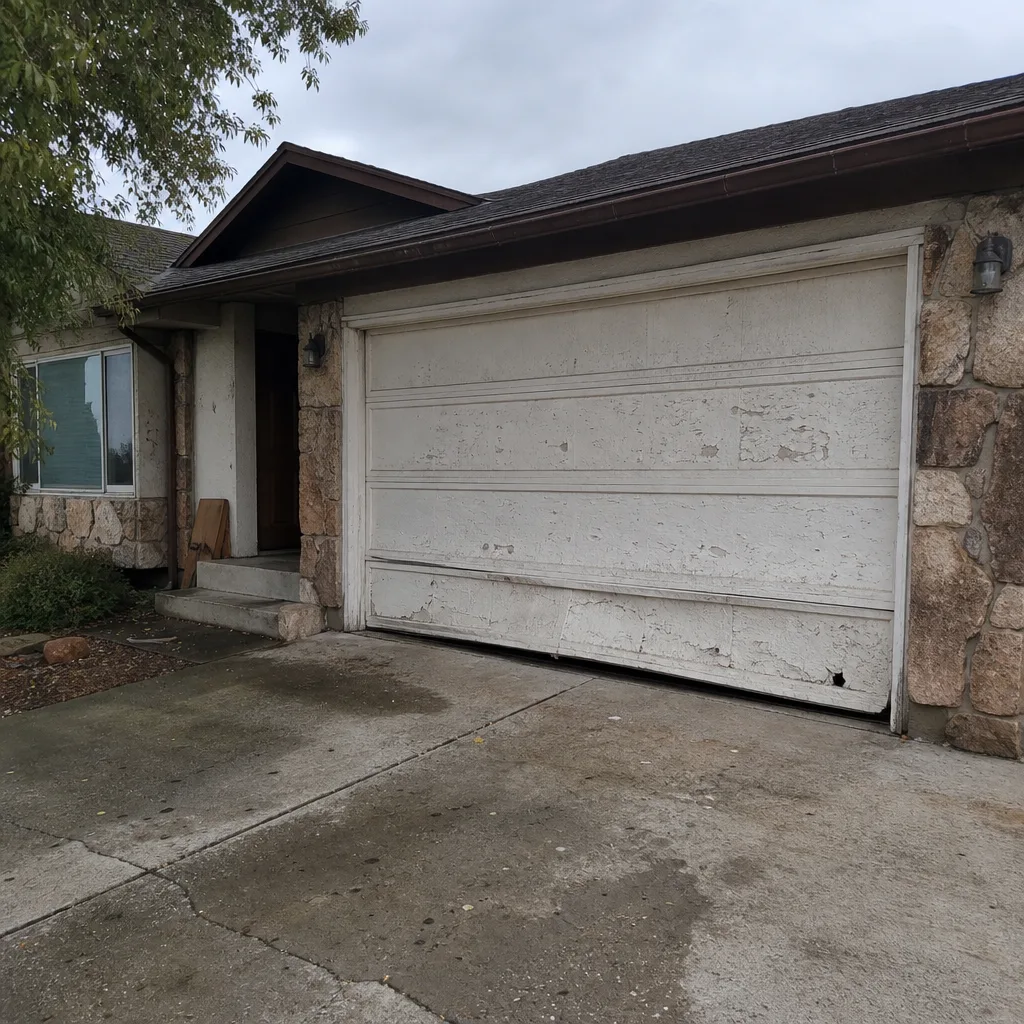 Before
 After
 Before
 After
 Before
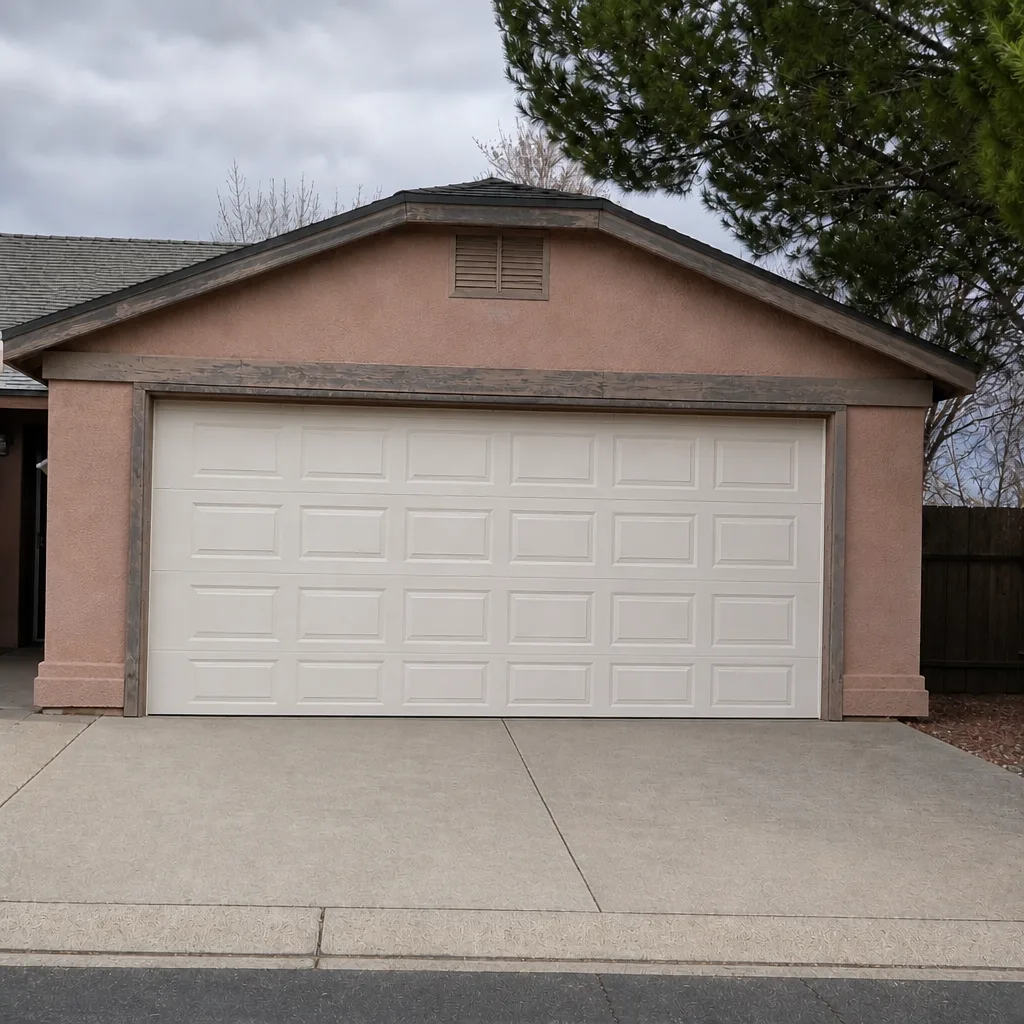 After