
Last updated November 16, 2026
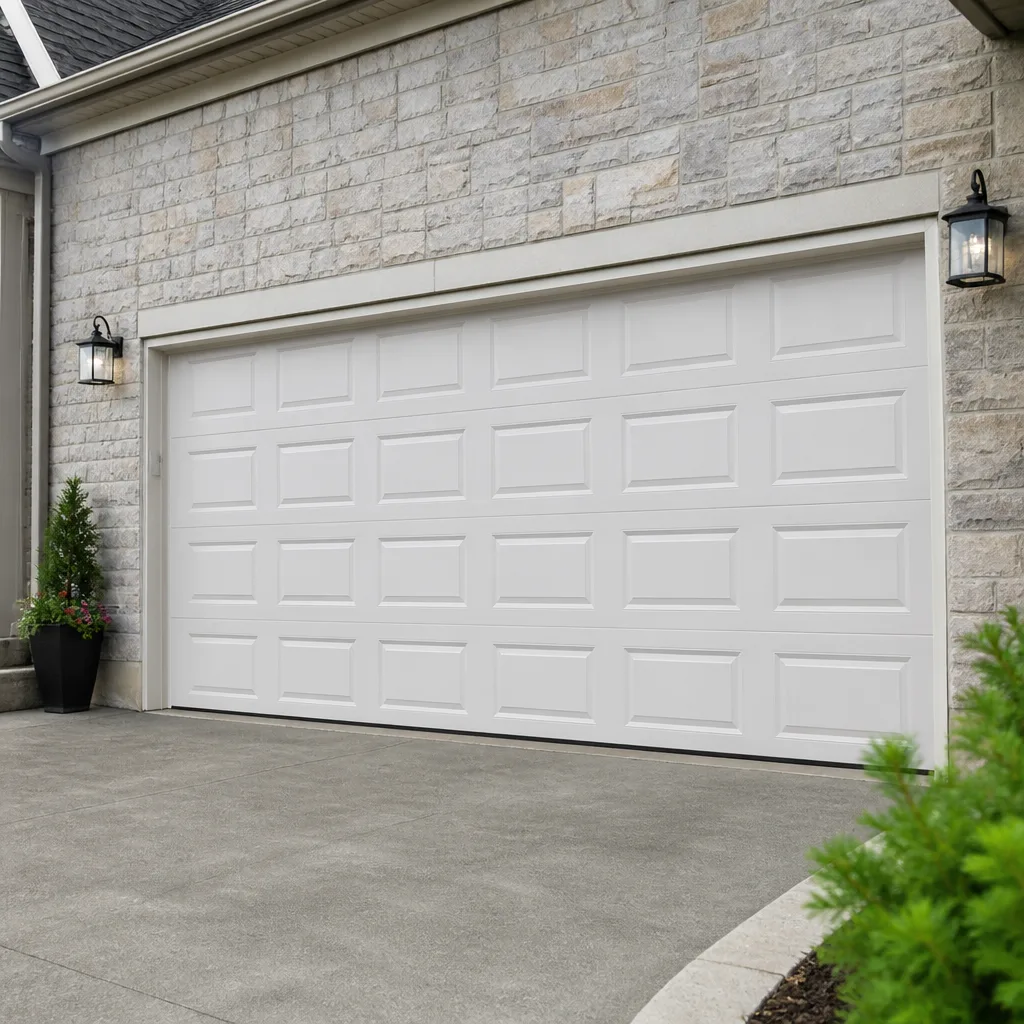 Raised-panel steel
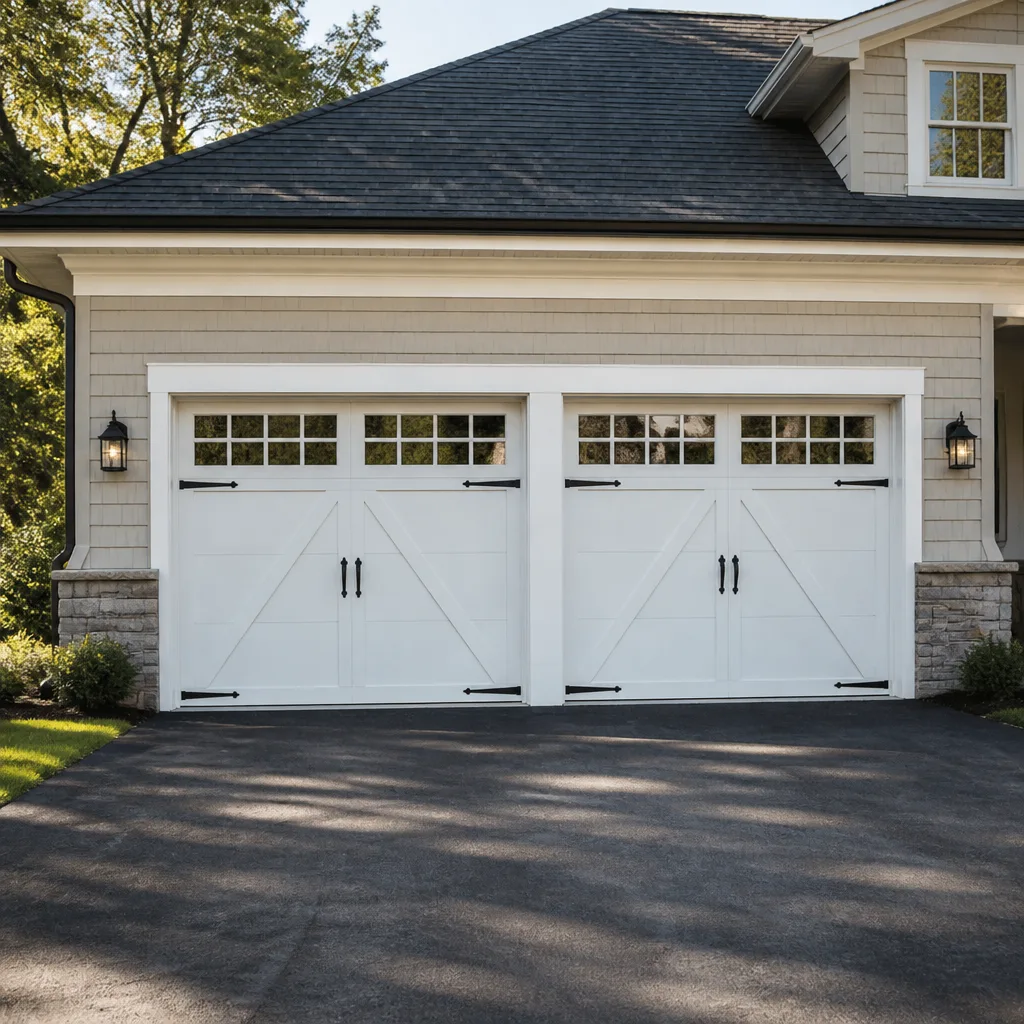 Carriage house
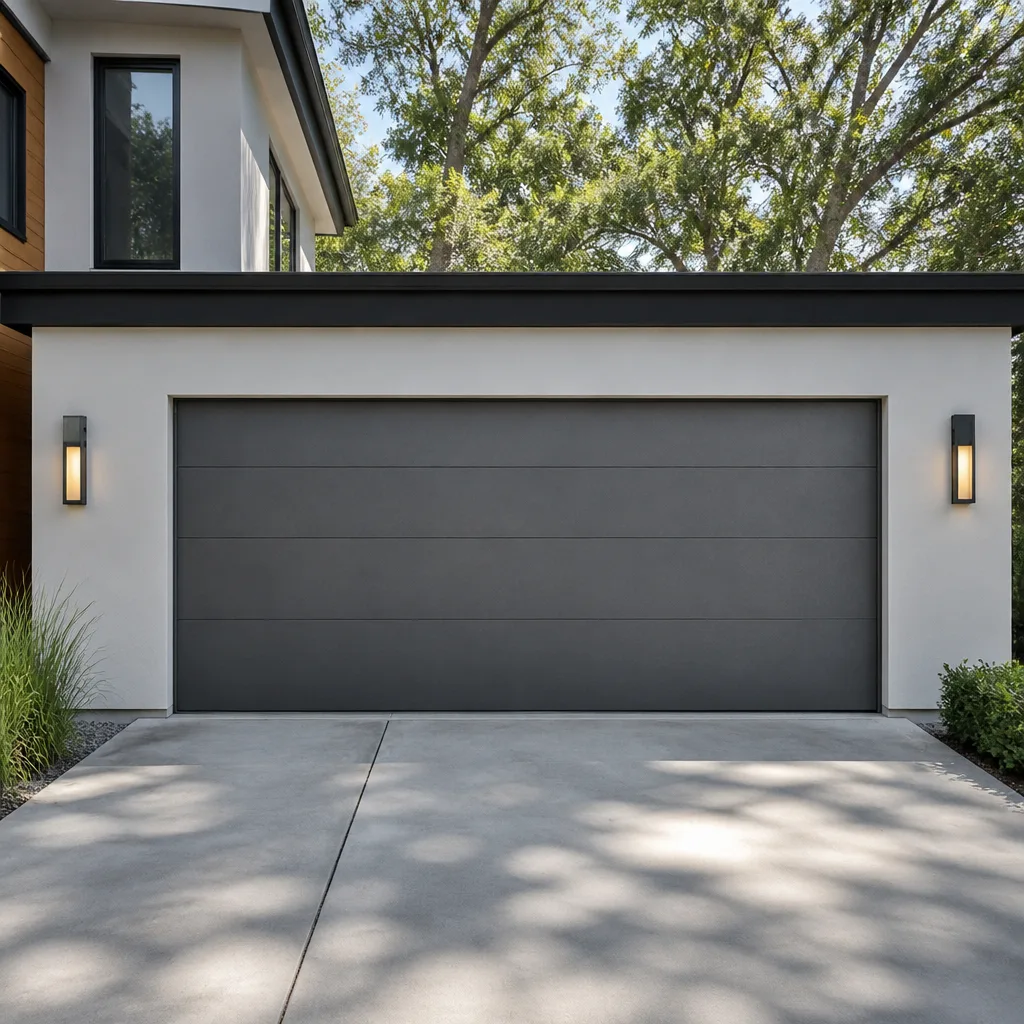 Modern flush
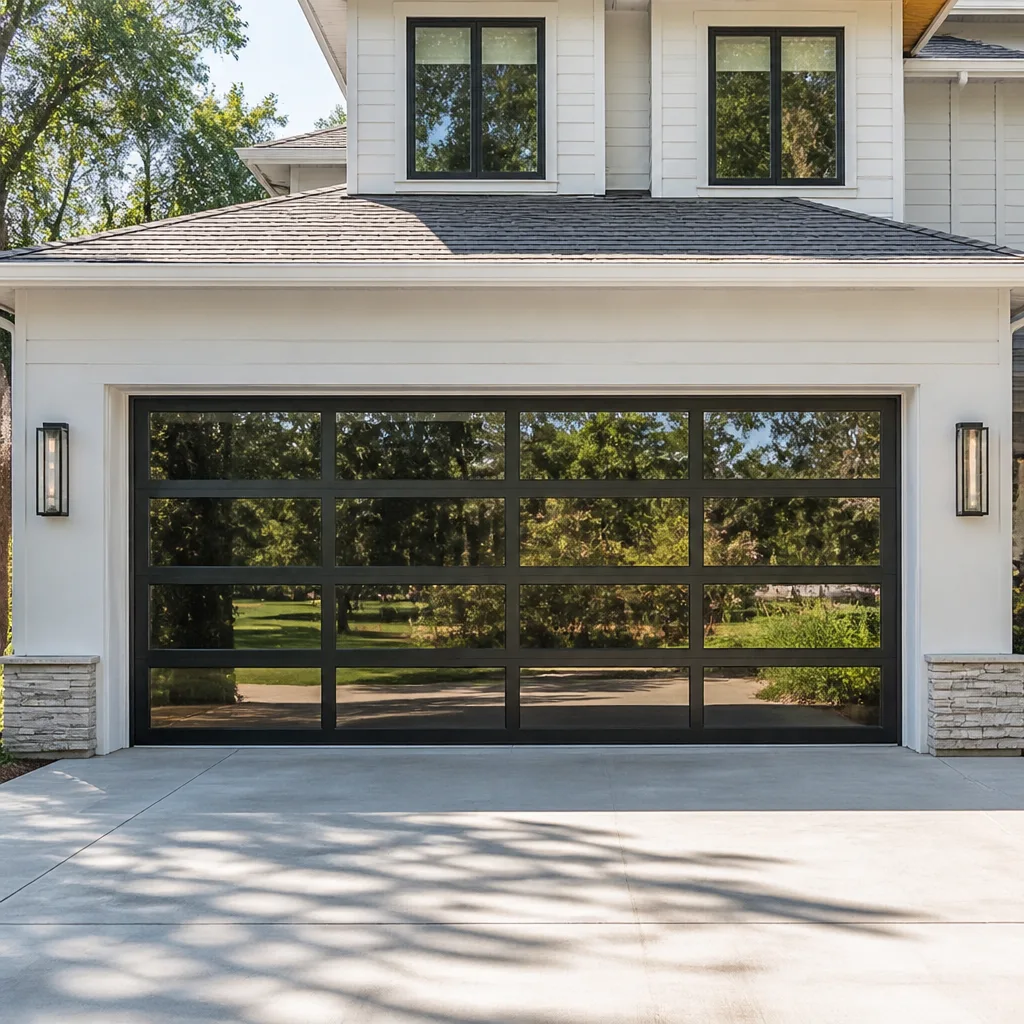 Full-view glass
 LiftMaster openers
 Chamberlain openers
Full 25-point door and opener safety check with every visit - springs, cables, rollers, tracks, and your LiftMaster or Chamberlain opener included
You get a price before we start. It does not change when the pro arrives.
Get your free estimateGarage Door Cost Breakdown: The St. George Homeowner’s Reference for 2026
The national average for a single garage door replacement is cited widely as $1,100 – $1,300. In St. George, an appropriately insulated, UV-resistant door with professional installation typically runs $1,400 – $2,200. The gap is not a markup. It comes from the insulation a desert climate demands, from what it actually costs to get a door and a crew to a lot in Washington County, and from the difference between a one-time install and a door that still works correctly in year eight. Understanding why that difference exists tells you exactly which parts of a quote you can trim and which you’ll pay for twice if you do. This reference covers St. George pricing for repair and replacement, how local conditions shape the numbers, and how to read a bid line by line.
Quick Answer
In St. George, garage door replacement with a properly insulated, UV-resistant door and professional installation typically runs $1,400 – $2,200, while a single-spring replacement is usually $180 – $340 and a matched pair about twice that. Labor in Washington County is shaped by desert heat, travel time to parts suppliers, and a sharp seasonal swing in demand that national pricing guides don’t account for. The written estimate is what sets the final price, and it should be agreed before any work starts.
Table of Contents
- Why St. George Pricing Differs From National Numbers
- What Does a New Garage Door Cost in St. George in 2026?
- Repair Costs vs. Replacement: The Itemized Comparison
- The Insulation Premium in a Desert Climate
- What Drives Labor Costs in Washington County
- Big-Box Installation vs. Local Specialist: Side by Side
- Red Flags in a Low Bid
- Common Mistakes to Avoid
Why St. George Pricing Differs From National Numbers
National cost guides are built on averages across the whole country, which means they blend humid-climate doors, mild-winter doors, and desert doors into one number. St. George is a hot, dry, high-desert market. A door here faces summer temperatures and intense direct sun that a door in a moderate climate never sees. That changes which doors are appropriate, which parts wear first, and what a replacement actually costs when it’s done for this climate instead of for a national average.
Three local factors push the real number above the widely cited national figure:
- Climate-appropriate specification. An insulated door in St. George is not a luxury upgrade. It’s the baseline for a garage that sits under desert sun, and it costs more than a basic non-insulated panel.
- Logistics. A door is a large, heavy, damage-prone item. Getting the right one to a Washington County driveway takes time and planning, and that cost lives inside the installed price rather than being invisible.
- Demand seasonality. Garage door demand in St. George spikes when people are buying, selling, and renovating, and eases in slower months. Scheduling is easier and often less expensive outside the peak.
None of this is a reason to mistrust the national numbers. They’re a useful starting point. They’re just not a St. George number. A written estimate for your actual door, your actual opening, and your actual hardware is the only figure that matters. Our technicians have up to 13 years of experience with the equipment installed in this city, which means we’ve seen how these systems age under this sun rather than under a generic climate.
If you’re comparing bids, read them against the local breakdown below rather than against a national average. The difference is where the real savings live.
What Does a New Garage Door Cost in St. George in 2026?
A new single-car garage door in St. George typically runs $1,400 – $2,200 installed with an insulated, UV-resistant door. Double doors and premium designs run higher. The range is wide because a garage door is a system: panels, tracks, springs, hardware, and the opener that pulls it all. What you pay depends on which of those you’re replacing and how demanding the climate spec is.
Here’s how a typical replacement breaks down as line items:
| Line Item | Typical St. George Range |
|---|---|
| Single insulated door, panels and section | $800 – $1,400 |
| Double insulated door, panels and section | $1,600 – $2,600 |
| Springs, cables, tracks and hardware | $180 – $480 |
| Professional installation labor | $250 – $600 |
| Opener replacement (if needed) | $300 – $600 |
Those ranges are estimates, not quotes. The written estimate sets the final price, and it should itemize what’s included before any work begins. When you compare two bids, compare them line by line, not just by the bottom number.
A few things drive where in the range you land:
- Door type. A standard raised-panel steel door sits at the lower end. Carriage-house styles, wood-look steel, and upgraded window configurations sit higher.
- Insulation. Non-insulated doors are cheaper up front and cost more in a desert. Insulated is the right call here, and the next section explains why.
- Opener condition. If your existing opener is healthy, keep it. If it’s failing, replacing it during install saves a second visit.
- Openings and clearances. An unusual opening size or a low-clearance situation adds labor.
Because this is measured, ordered, and scheduled work rather than a repair, we don’t promise same-day service on replacements. What we do promise is a free measure and a written price you agree to before anything is ordered.
When your existing door reaches the end of its life and repair no longer makes sense, the decision becomes about Rosemont Garage Door Service as much as about the door itself. We handle repair, opener upgrades, and full installation as one continuous service, so you’re not handed off to a different contractor between phases.
Repair Costs vs. Replacement: The Itemized Comparison
Comparing a repair quote to a replacement quote sounds simple until you realize they’re often itemized differently. One lists a spring and labor; the other lists panels, springs, cables, tracks, hardware, and installation. To compare apples to apples, you need the repair broken down into the same components the replacement quote uses. Here’s what a full spring-and-cable replacement typically looks like in St. George:
| Repair Line Item | Typical Range |
|---|---|
| Single spring replacement | $180 – $340 |
| Matched spring pair (replaced together) | $360 – $680 |
| Cable replacement (per side) | $90 – $200 |
| Tracks and rollers | $120 – $300 |
| Hinges and hardware set | $80 – $200 |
| Opener repair (motor, logic board, sensors, remote) | $120 – $350 |
A matched pair of springs is usually replaced together because they wear at the same rate and a single new spring against a worn one puts uneven load on the system. That’s why a pair costs roughly twice a single spring rather than being quoted as one range for both. A spring price is for one spring.
Now the comparison. If your door’s panels, tracks, and cabling are structurally sound and the failure is mechanical, a full repair typically stays well under the cost of replacement. If the door is warped, panels are rusted or sun-damaged beyond recovery, or the safety of the whole system is in question, replacement is the smarter spend. The rule of thumb in our experience: when repair approaches half the cost of replacement and the door is nearing end of life, replacement is usually the right call.
Comparison shopping is where homeowners get stuck. Ask each contractor to itemize by component, then hold the quotes side by side. If one quote is missing cables or springs or hardware, it’s not a repair quote, it’s a partial quote that will grow. If you’re already comparing repair bids, you can start with our own garage door repair pricing so you have a local benchmark before anyone visits.
A word on safety. Garage door springs and cables are under high tension. They can release violently and cause serious injury. Do not try to adjust, replace, or disassemble springs or cables yourself. This is work for a trained professional, and no honest garage door guide should tell you otherwise.
The Insulation Premium in a Desert Climate
An insulated garage door typically costs more than a non-insulated one, and in St. George that premium pays back faster than most national pricing models assume. Those models are built around heating savings in cold climates. Here, the calculation runs the other way: an insulated door reduces the heat gain in your garage during a desert summer, which protects the equipment stored there and takes load off any cooling that runs alongside it. A non-insulated steel door in full sun can turn a garage into an oven, and that heat reaches every spring, hinge, and component in the system.
What the insulation premium buys you in St. George:
- Lower garage temperatures. The insulated layer resists the sun’s heat rather than passing it straight through the steel.
- Slower wear on components. Springs and cables hold up better outside extreme heat cycling.
- A more stable space for whatever lives in the garage. Storage, equipment, and anything sensitive to heat swings.
- Quieter operation. Insulation absorbs sound, which matters more than people expect.
The premium varies by door and by brand. Some manufacturers build insulation into their models as standard while others offer it as an upgrade. Because we work with brands like Amarr and Wayne Dalton, we can tell you what a specific model actually includes rather than what a brochure implies. If you’re comparing two doors at the same price point, insulation is the first line item to check, because a door without it in St. George is not really a door suited for St. George.
The takeaway is simple: don’t treat insulation as a luxury to cut when the quote looks high. It’s the part of the spend that reduces the time before the next repair.
What Drives Labor Costs in Washington County
Labor is often the largest single driver of variation between garage door quotes in this region, and it’s also the least talked about. A national average assumes a certain cost per hour. St. George’s labor market is shaped by distance, licensing, and seasonality, and those factors are baked into the numbers above.
Three forces move labor cost in Washington County:
- Travel time from suppliers. Some of the brands and parts used here move through regional distribution that runs out of or through Las Vegas, which adds travel time to sourcing and delivery. A reputable installer plans around it, but it’s part of the real cost.
- Local licensing and requirements. Garage door installation touches structural openings, electrical (openers), and safety hardware. Contractors here are held to licensing standards, and that overhead lives inside every legitimate bid. If a quote is dramatically low, licensing is often the first thing that was skipped.
- Demand seasonality. When buying, selling, and renovation activity is high, qualified crews are booked further out. When it’s slower, scheduling is easier. This isn’t a reason to wait for a “discount.” It’s a reason to understand why a quote is what it is when you’re comparing against a national average.
In our experience, the best way to control labor cost is to make the job clean. Get the opening measured correctly the first time, decide on the door and opener together rather than in two separate visits, and understand what clearances you have before the crew arrives. For openers specifically, isolating a fix rather than defaulting to replacement is where the savings live. Opener repair is its own discipline, and getting a trained technician to test the motor, logic board, remote, and safety sensors before recommending a new unit is where labor is best spent. See our garage door opener repair service if you’re unsure whether your opener needs a repair or a replacement.
Big-Box Installation vs. Local Specialist: Side by Side
A big-box store installation program and a local garage door specialist are two different products wearing the same label. Both will get a door on your house. Where they diverge is in what’s measured before the install, how the job is handled when the opening doesn’t match, and who you call when something goes wrong in year three. This isn’t about who’s cheaper on day one. It’s about total cost.
Here’s the honest, side-by-side comparison:
- Up-front price. Big-box installs often look lower on the quote because the measurement and site prep get priced separately, and a door upgrade is a short step away on installation day. A local specialist typically bundles measurement, removal, hardware, and disposal into a single written price.
- Measurement. Big-box programs are often measured by a third-party contractor. A local specialist measures it themselves, which reduces the risk of a door arriving wrong or a clearance issue discovered on install day.
- Brand knowledge. Specialist work is brand-specific. Understanding the quirks of a Craftsman opener, the travel limit settings on a LiftMaster, or the tension specs on a Raynor door is not interchangeable knowledge. It reduces callbacks and repeat failures.
- Follow-up. When something doesn’t work right, big-box installs route through a service queue. A local specialist is one call away and knows the systems installed in this city.
- Long-term value. A door installed by a specialist tends to be correctly tuned, which extends the life of springs and the opener. That’s where a “cheaper” big-box install can cost more in the long run.
There’s nothing wrong with big-box stores if the door is the goal. But the service and follow-through of a local specialist who handles repair, opener work, and installation as one discipline usually wins on total cost across the door’s life. That full arc – repair today, opener upgrade next month, full installation when the door reaches end of life – is a reason to keep one specialist for the whole relationship rather than bouncing between contractors.
Red Flags in a Low Bid
A low bid is not automatically a bad bid, but in this trade, a bid that lands well below everyone else’s is usually missing something. The omission is rarely the door itself. It’s the site work, the safety hardware, the disposal, or the labor line that gets added back on install day as a “necessary upgrade.” Knowing what a bid should include helps you spot what a bid is hiding.
Common line items that get quietly dropped to win a job:
- Removal of the old door and disposal. Often priced separately or skipped. Ask who hauls the old door away and whether that’s included.
- Springs and cables as a matched set. A low bid may quote one spring against two, which works out fine until the other one fails.
- Safety hardware. Safety reverse sensors, tension monitoring, and proper cabling are not optional. If they’re missing from the bid, they’ll be missing from the install.
- Hardware and tracks. Hinges, rollers, and tracks wear out. A low bid that reuses worn hardware saves money until you pay for it again.
- Site prep and clearances. Not in the bid, but discovered on install day when the opening doesn’t line up.
- Permits, where the city requires them. Most cities require a permit for a door or structural opening change. If a bidder never mentions checking with your city’s building department, ask.
One more red flag that costs more than it looks: any bid that doesn’t show the labor line. A quote that combines labor into a single number makes it impossible to compare to a competing quote. Ask for an itemized written estimate. If it isn’t offered, that’s the answer.
Common Mistakes to Avoid
- Comparing quotes against a national average instead of a local one. The national number is a starting point, not a St. George number. Comparing a real quote to a national figure is how a reasonable bid gets read as overpriced.
- Cutting the insulation to lower the price. In a desert climate, insulation is the part of the spend that reduces the time before the next repair. Cutting it to hit a lower quote costs more over the life of the door.
- Replacing a single spring when a matched pair is the right fix. A single new spring against a worn one puts uneven load on the system. A pair costs roughly twice a single spring because it’s two springs, not because the quote is padded.
- Defaulting to opener replacement when repair is the answer. Motor, logic board, remote, and safety sensor problems are often repairable. Ask for the diagnosis before agreeing to a new unit.
- Accepting a bid without an itemized labor line. A quote you can’t compare line by line is a quote you can’t trust. Ask for the breakdown.
- Skipping the measurement. A door ordered off a rough measurement can arrive wrong and cost you time. Free measure and a written price should come before any order.
- Doing spring or cable work yourself. Springs and cables are under high tension and can release violently. Leave them to a trained professional. No garage door guide should encourage otherwise.
If you’re pricing a new door, start local. Our St. George page is the right place to start the conversation, and our guide to a full replacement walks through each decision so you’re comparing what actually matters.
Styles & brands we work with
- Raised-panel steel
- Carriage house
- Modern flush
- Full-view glass
- LiftMaster openers
- Chamberlain openers
When to Call a Professional
Some garage door problems are worth a look and a call. Others aren’t. Call a professional if the door won’t open or close, if you hear a loud snap from the springs or cables, if the door is visibly out of balance or hanging unevenly, if the opener’s safety reverse fails its test, if the door reverses on its own during closing, or if any panel is rattling, cracked, or separating from the hardware. Call before anything gets worse, because a failing spring or an unbalanced door puts strain on the opener and the rest of the system, which turns a small repair into a large one. Don’t attempt to adjust springs or cables yourself; these carry high tension and can cause serious injury. Leave diagnosis and repair to a trained professional.
Rosemont Garage Door Service offers free estimates in St. George and handles repair, opener repair, and installation as one specialist service. Our technicians have up to 13 years of experience working with LiftMaster, Chamberlain, Genie, Clopay, Amarr, Wayne Dalton, Craftsman, and Raynor equipment, so your brand gets diagnosed correctly the first time. Call (866) 389-3687 for a free estimate.
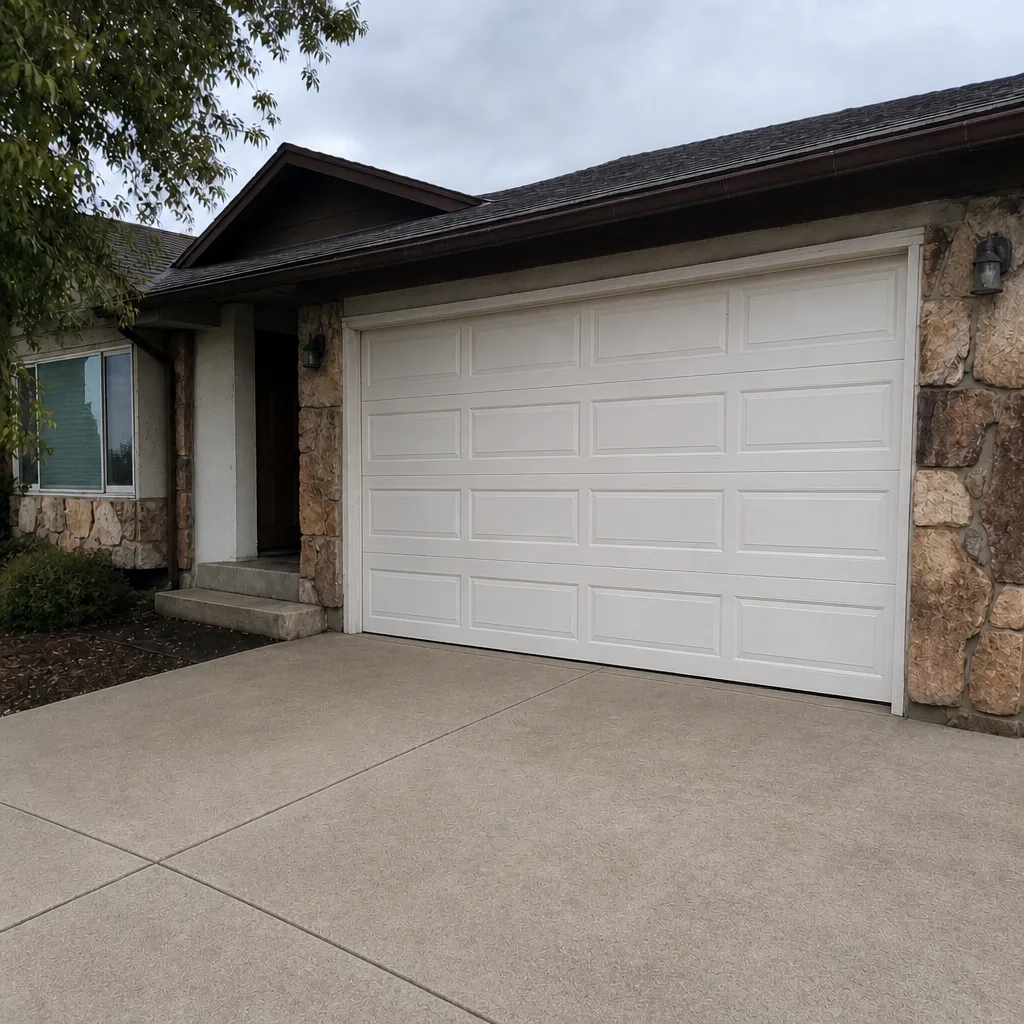
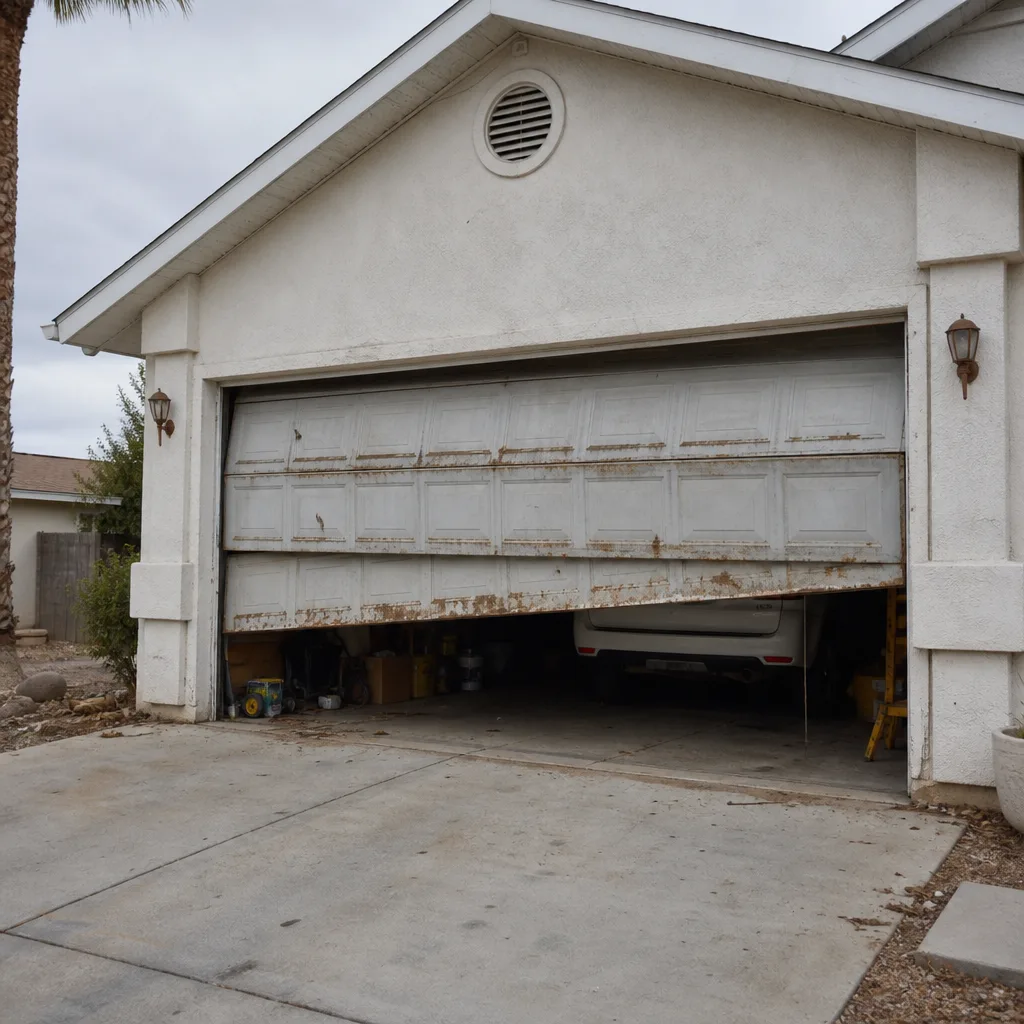
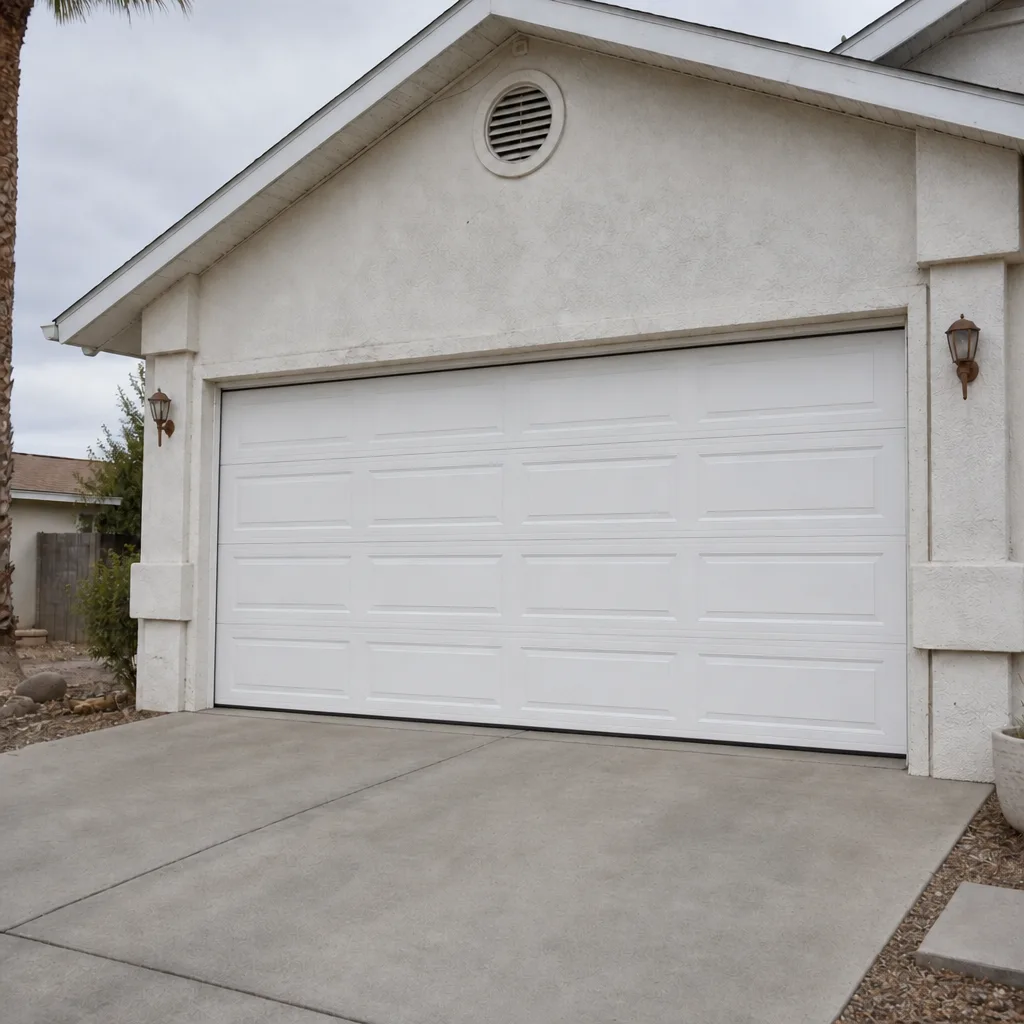
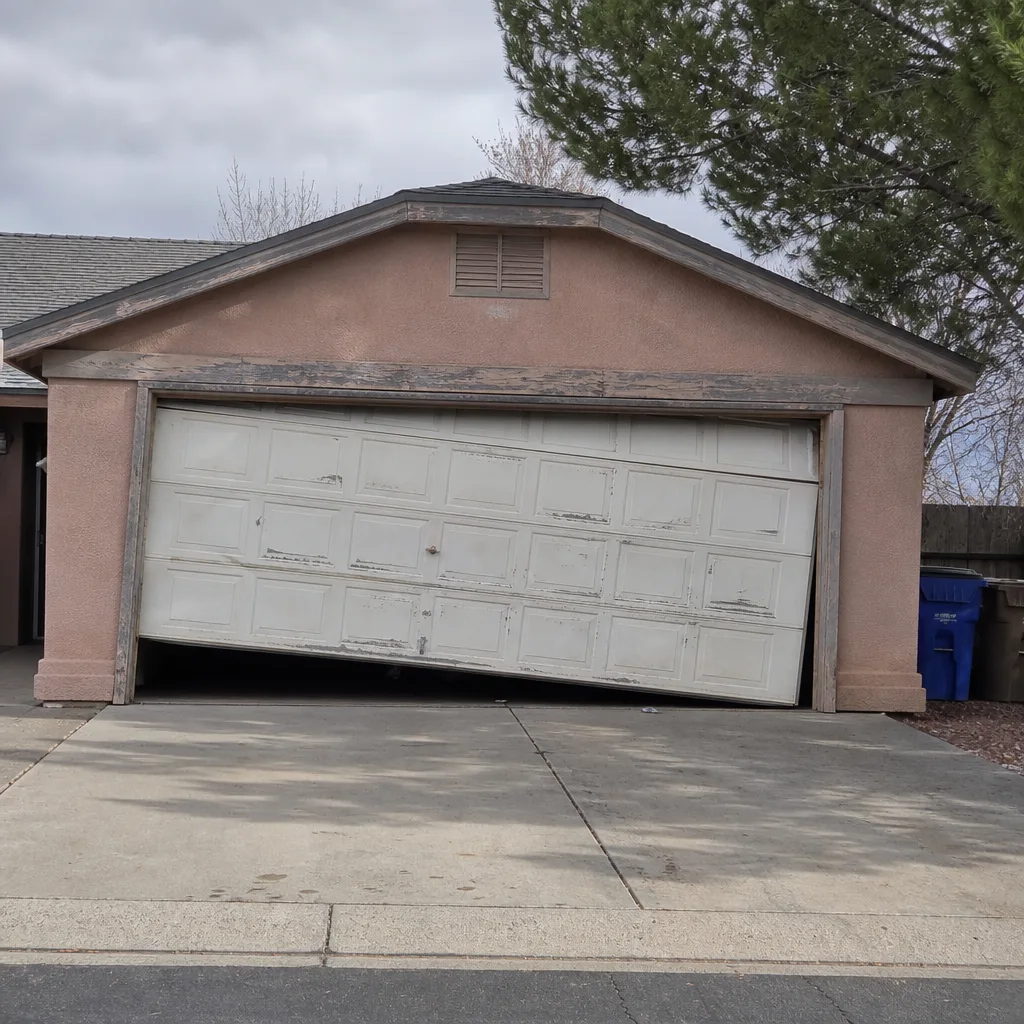
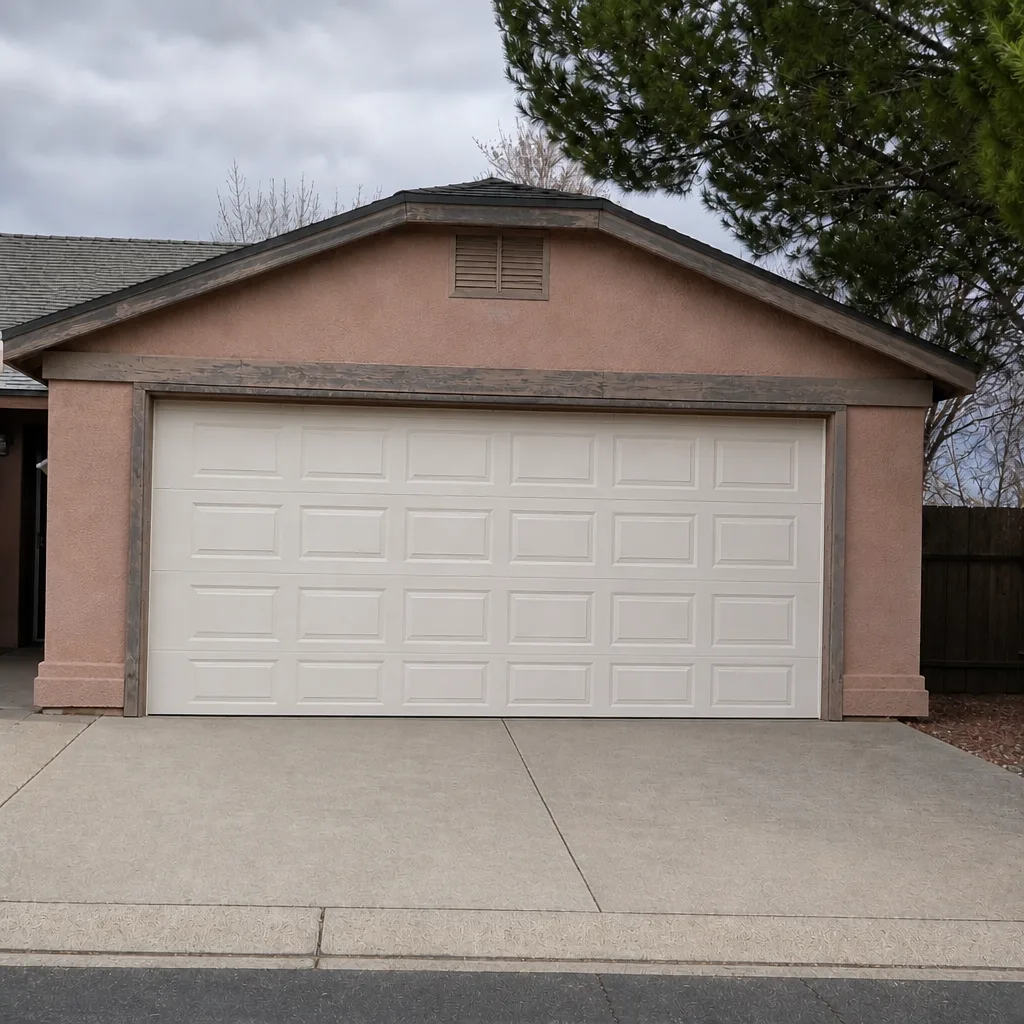
See the difference
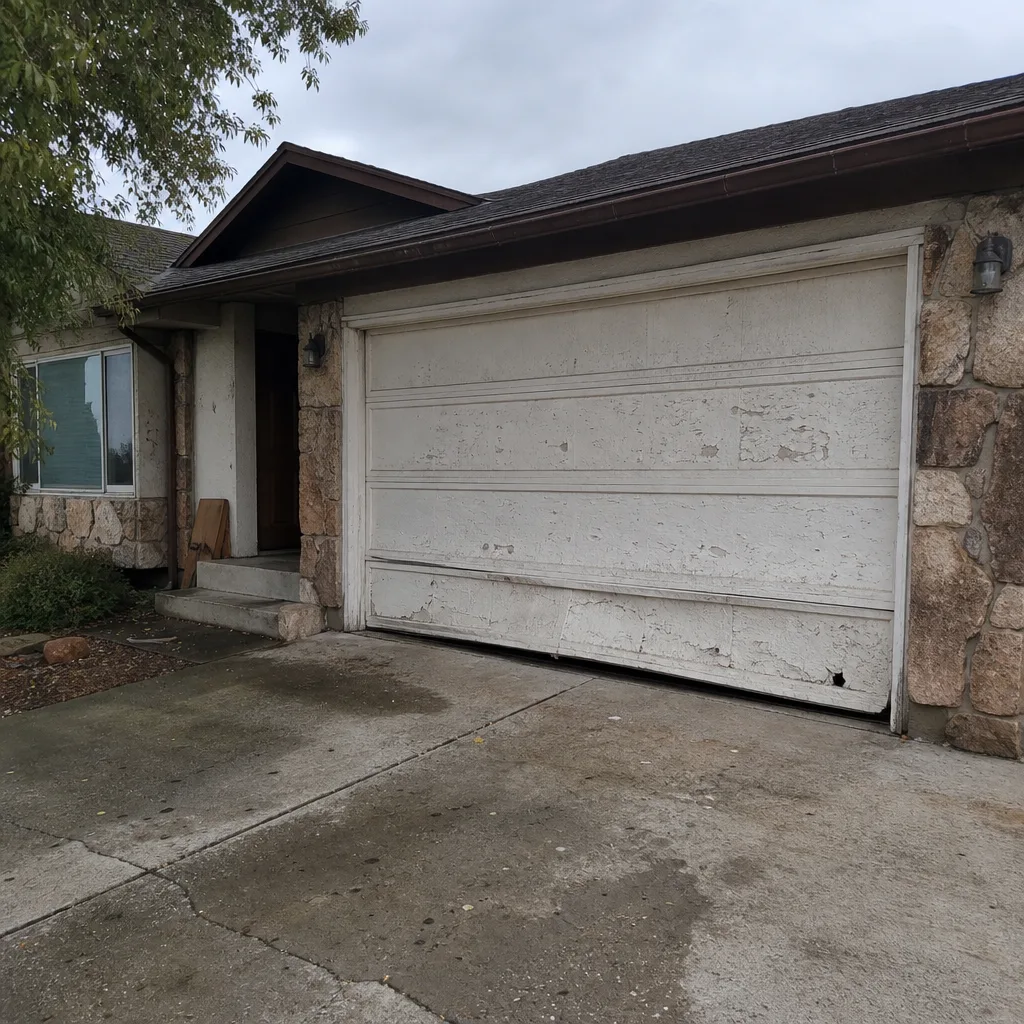 Before
 After
 Before
 After
 Before
 After
Frequently Asked Questions
Garage door replacement in St. George typically runs $1,400 – $2,200 installed with an insulated, UV-resistant door. Double doors and premium designs run higher. That range reflects the desert climate’s real requirements, including insulation and UV resistance, which are not extras here but necessities. Call (866) 389-3687 for an exact quote on your opening – estimates are free.
National averages blend climates and labor markets that don’t match Washington County. Three local factors push the real number higher: the insulation a desert climate demands, travel time to regional parts suppliers, and a sharp seasonal swing in demand. The written estimate for your actual door and opening is the only figure that matters. Call (866) 389-3687 for a local quote.
A single garage door spring replacement in St. George typically runs $180 – $340, and a matched pair costs about twice that because it’s two springs. Matched pairs are usually replaced together because they wear at the same rate and uneven load on the system causes repeat failures. Springs are under high tension, so this is a job for a trained professional. Call (866) 389-3687 for an exact quote – estimates are free.
The written quote is the price. If we discover something the quote didn’t cover, you’ll hear about it before work starts, and nothing changes without your agreement. That’s why we measure first and quote in writing before any work begins. Call (866) 389-3687 for a free estimate.
Yes. Rosemont Garage Door Service connects homeowners with independent local professionals who are licensed and insured for the work performed. Our technicians have up to 13 years of experience with the brands installed in this region. Call (866) 389-3687 to ask about a specific job.
Yes. In a desert climate, insulation lowers heat gain in the garage, protects stored equipment, and reduces the heat cycling that wears components faster. The premium pays back faster in St. George than the national models assume because the calculation runs on cooling, not heating. Call (866) 389-3687 to compare insulated and non-insulated options for your opening.
The Bottom Line
St. George garage door pricing is not a national average. It’s shaped by the desert climate, by labor realities in Washington County, and by the difference between a specialist and a big-box installation program. If you remember nothing else from this guide, remember the price range for replacement ($1,400 – $2,200 installed), the range for a single spring ($180 – $340, or about double for a matched pair), and the fact that the written estimate is what sets the final price. Don’t cut insulation to hit a lower quote. Don’t accept a bid without an itemized labor line. Don’t touch spring or cable work yourself. And when you’re comparing bids, compare line items, not just totals.
We handle repair, opener repair, and installation as one specialty, which means the same team you call for a snapped spring is the team that installs your next door. Call (866) 389-3687 for a free estimate on your St. George project. We answer 24/7. Fast dispatch from 7am to 7pm, Sunday through Friday. The written estimate sets the price, and it’s agreed before any work starts.
Written by the team at Rosemont Garage Door Service.