
Last updated November 16, 2026
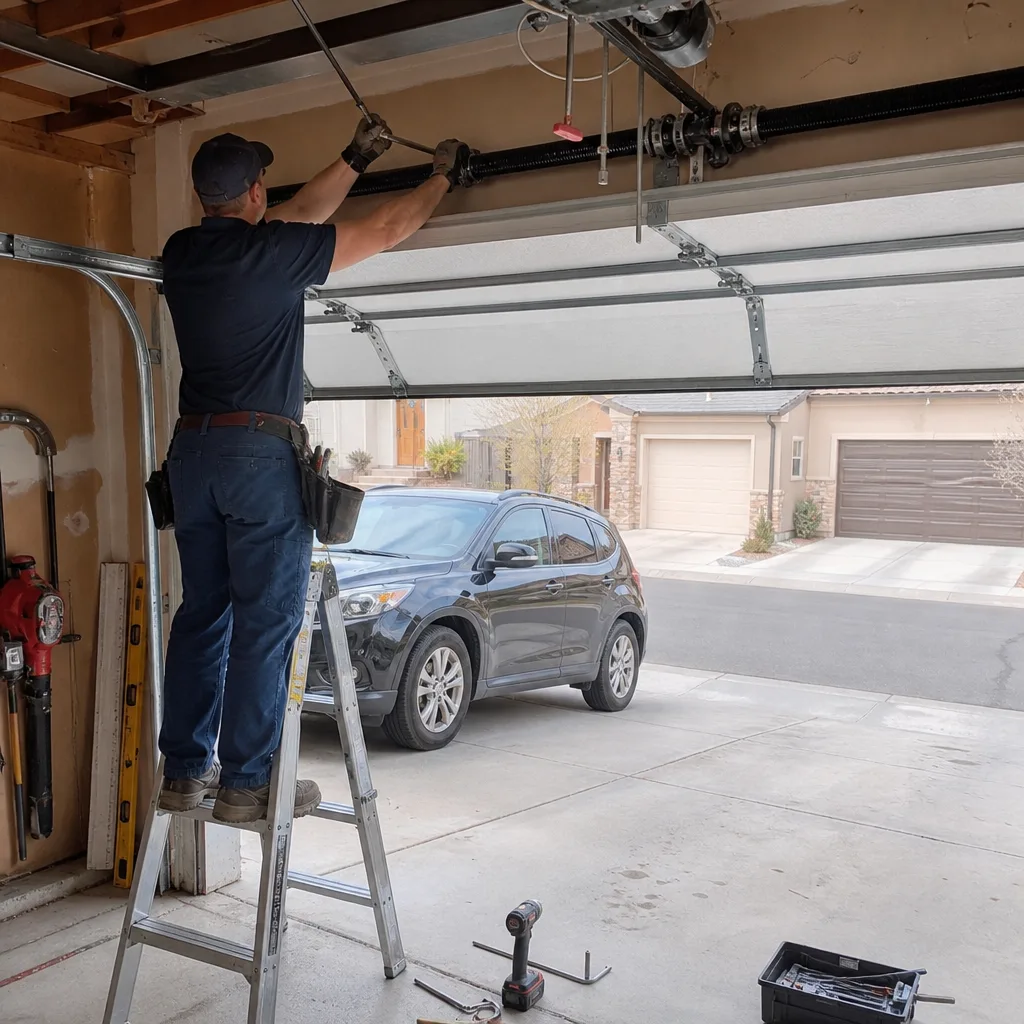
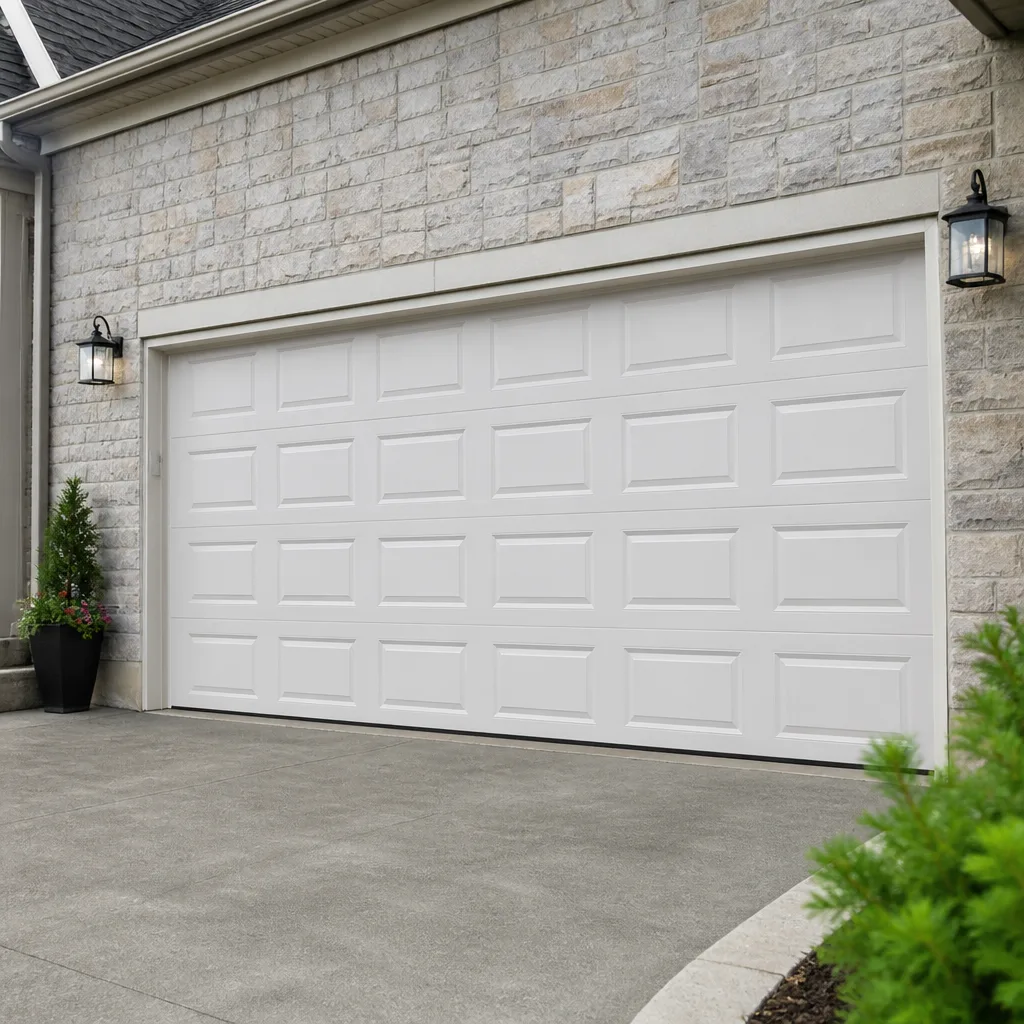 Raised-panel steel
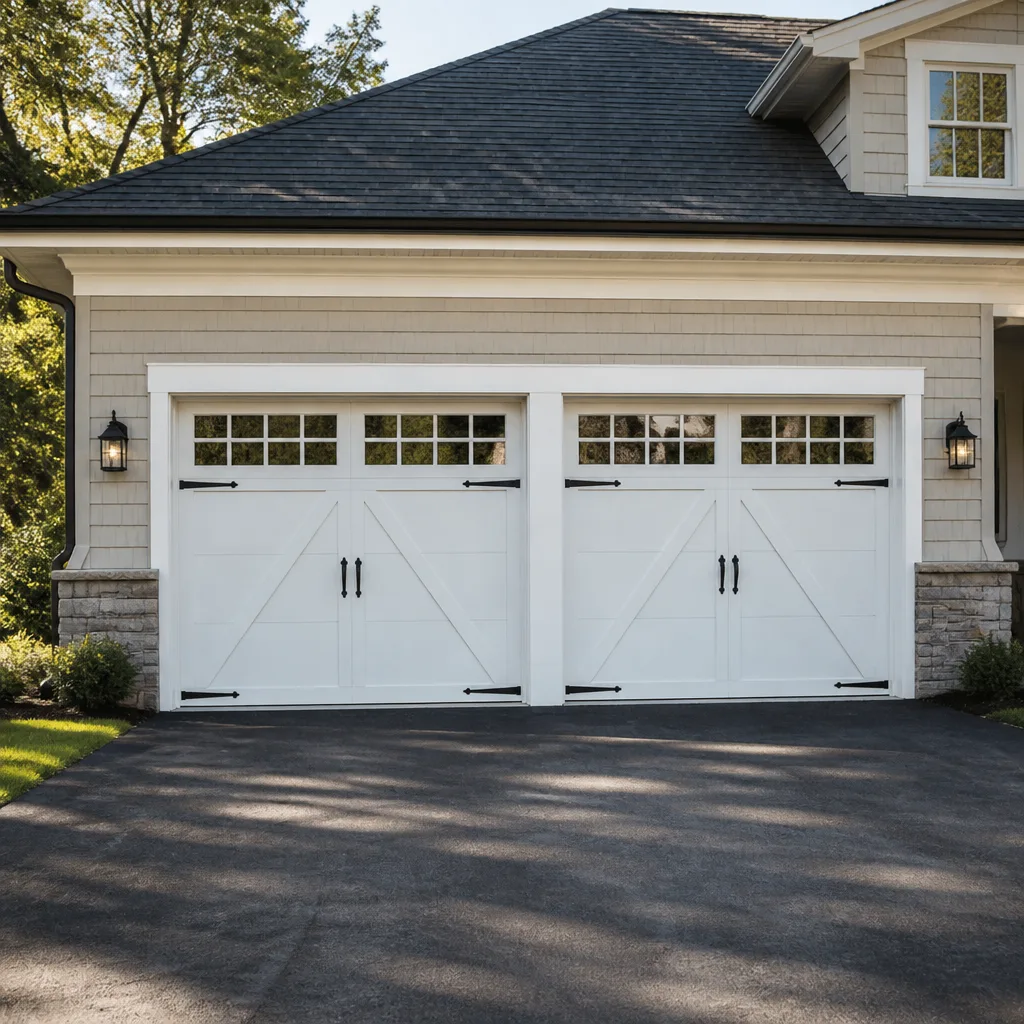 Carriage house
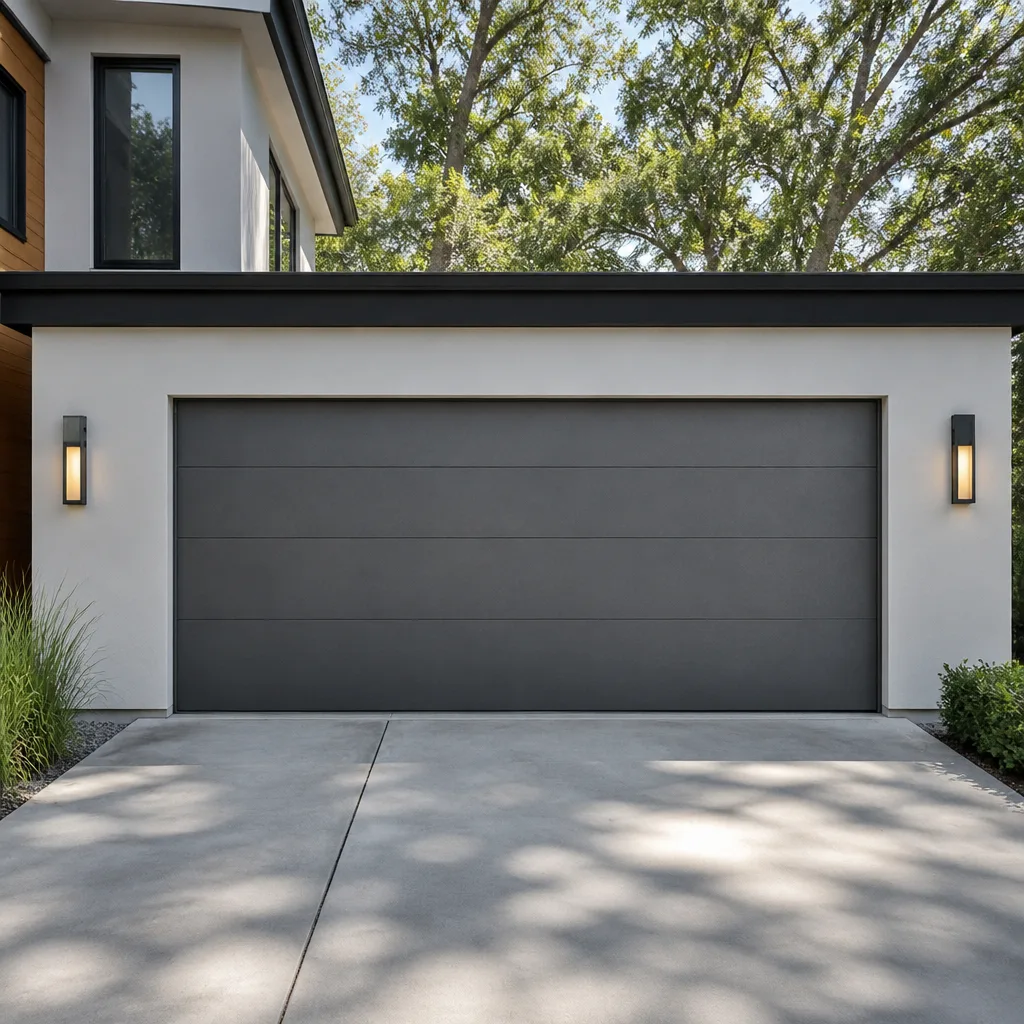 Modern flush
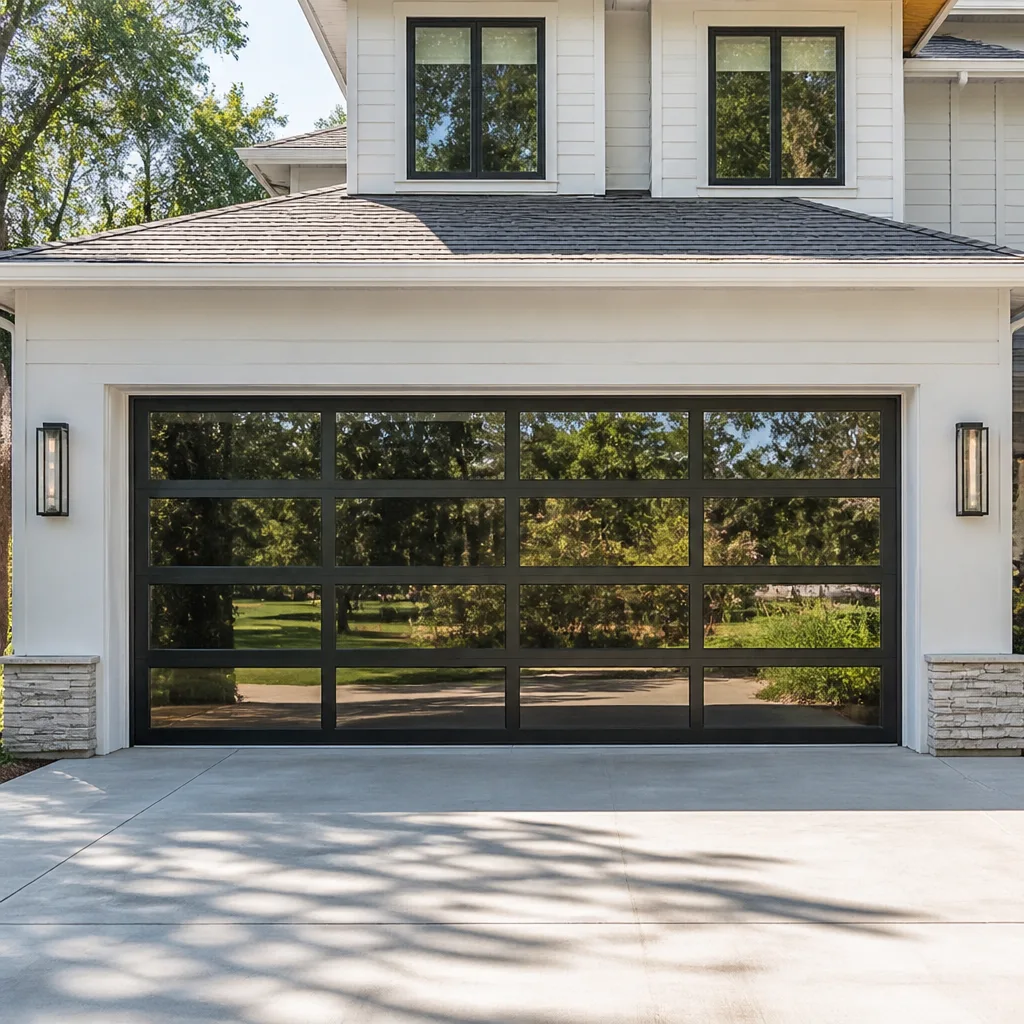 Full-view glass
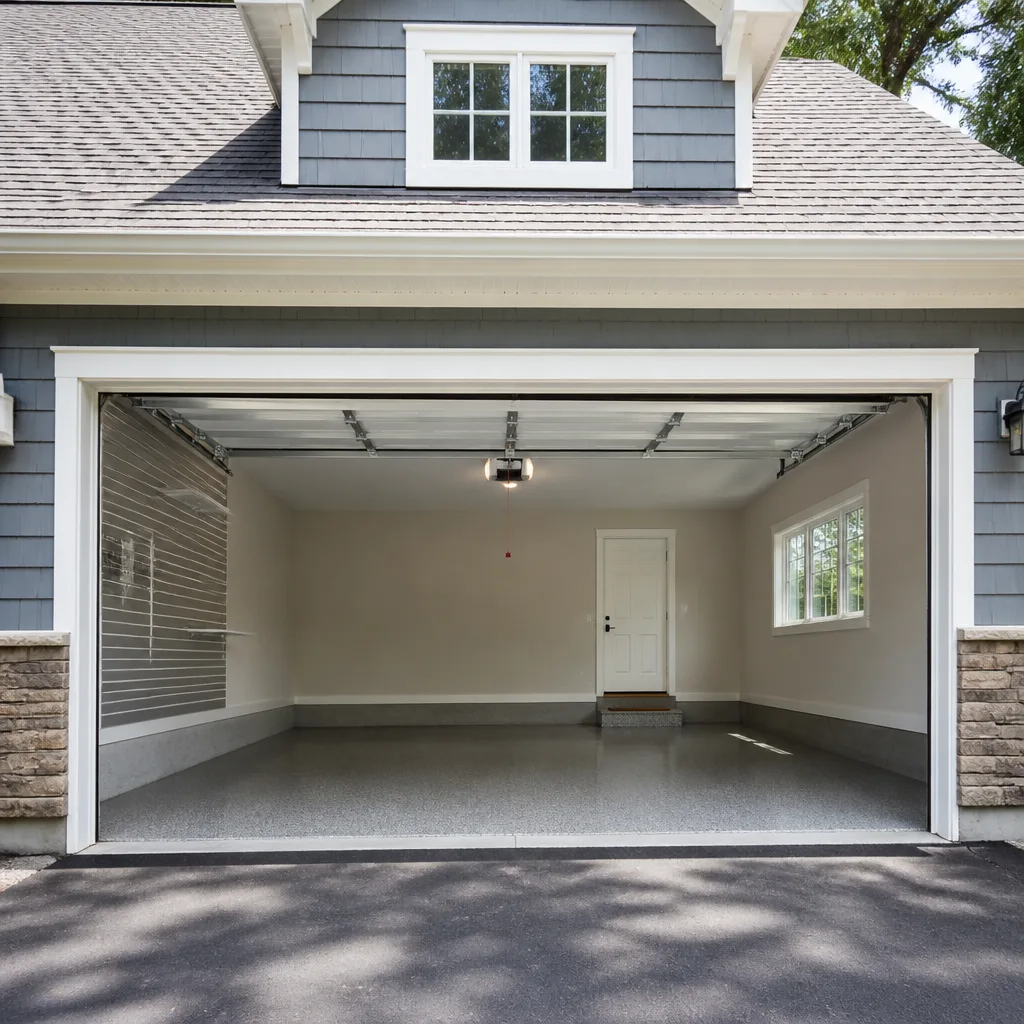 LiftMaster openers
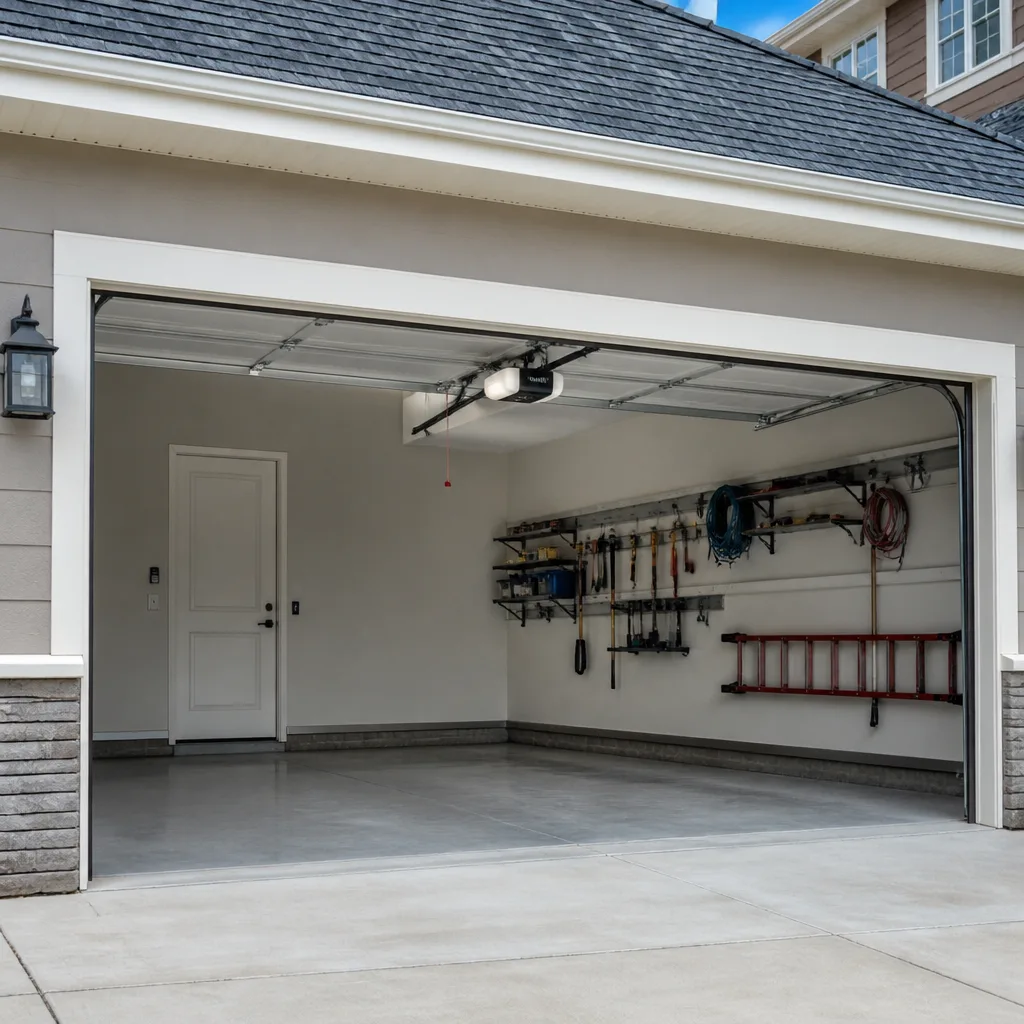 Chamberlain openers
Full 25-point door and opener safety check with every visit - springs, cables, rollers, tracks, and your LiftMaster or Chamberlain opener included
You get a price before we start. It does not change when the pro arrives.
Get your free estimateSeasonal Garage Door Care for St. George: Year-Round Homeowner’s Guide
Most garage door advice is written for a climate with four distinct seasons. St. George doesn’t have those. What it has is a long, punishing summer, a short cold snap that catches doors off guard, and a spring wind season that most homeowners never think to plan for. A door that runs perfectly at 108°F in August can bind and groan when the temperature drops to 28°F in January, and that swing is exactly when cables and springs fail. This guide walks you through what to check, when to check it, and when to hand the job to a specialist, all calibrated for the specific conditions your door faces in St. George.
Styles & brands we work with
- Raised-panel steel
- Carriage house
- Modern flush
- Full-view glass
- LiftMaster openers
- Chamberlain openers
Quick Answer
The single most valuable thing you can do for a garage door in St. George is one annual service visit scheduled in early fall, ideally late September or October. That timing catches the wear from summer heat and wind season, resets spring tension and opener force before the cold arrives, and replaces the bottom seal before grit-laden spring winds grind it away. Add a light visual check each season, and you’ll avoid most of the failures that lead to emergency calls.
Table of Contents
- Why St. George Climate Is Hard on Garage Doors
- Summer Prep: Heat, Expansion, and Opener Strain
- Fall: The Most Overlooked Season for Your Door
- Winter: Cold-Morning Operation Without Over-Torquing
- Spring Wind Season: Grit, Abrasion, and Seals
- When to Schedule Your Annual Service Visit
- Brand-Specific Care: Clopay, Amarr, Wayne Dalton, and Craftsman
- What You Can Check Yourself (and What You Shouldn’t)
- Common Mistakes to Avoid
- When to Call a Professional
- Frequently Asked Questions
- The Bottom Line
Why St. George Climate Is Hard on Garage Doors
Garage doors are built from steel, aluminum, wood, or composite panels held in a frame and balanced by springs that are wound to a precise tension. That tension is calculated for a specific weight and a specific temperature range. When the temperature in St. George swings from triple digits in July to the upper 20s on a January morning, every component in that system expands and contracts at a different rate. Metal panels grow in the heat and shrink in the cold. Lubricant thickens. Seals stiffen. The spring tension that felt perfect in August no longer matches the door’s behavior in winter.
Our technicians have up to 13 years of experience, and that experience tells us the same thing every year: the doors that fail in winter are usually the ones that were never adjusted after summer. The cycle is predictable. Heat expansion in summer wears on rollers and hinges. Winter contraction tightens tolerances that were already getting loose. Then a cold morning comes along, the door is asked to lift a load its springs are no longer balanced for, and a cable snaps or the door stalls halfway up.
There’s a second stressor most people don’t factor in: dust and grit. The St. George basin gets wind-driven red sand that finds its way into every gap in a garage door. It works into the tracks, the rollers, the bottom seal, and the hinge points. Where owners in a wetter climate might get a decade out of a set of rollers, grit infiltration here accelerates wear if the tracks and seals are never cleaned or replaced. That’s a St. George-specific problem, and it’s why fall maintenance matters more here than a generic seasonal checklist would suggest.
What Actually Changes With Temperature
| Component | In Summer Heat | In Winter Cold |
|---|---|---|
| Steel panels | Expand; can bow or rub against seals | Contract; gaps can open at panel seams |
| Garage door springs | Lose tension gradually with heat cycles | Become brittle; tension no longer balanced |
| Rollers and hinges | Lubricant thins and migrates | Lubricant thickens; movement gets stiff |
| Bottom seal | Softens; can deform against concrete | Hardens; seals poorly against drafts |
| Opener force settings | May run within range | May need recalibration for cold-load operation |
None of these changes on their own will destroy a door. What destroys a door is ignoring them for several years in a row. A small panel bow that rubs a seal every summer will eventually wear through. A spring that’s slightly under-tensioned in winter will force the opener to work harder every cold morning, and that extra load shows up later as a burned-out motor or a stripped gear.
Summer Prep: Heat, Expansion, and Opener Strain
In St. George, summer is not a season you prepare for; it’s a season you survive. Triple-digit days are common from June through September, and a garage door facing west or south is baking against metal that can reach temperatures well above the ambient air. A door that’s been running fine all spring will start to show strain in July. That strain is the warning your fall service visit is about to catch.
Panel Expansion Gaps
Steel and aluminum panels expand when hot, and a door with tight clearances at every hinge will start to bind as the metal grows. Walk around the inside of the door and look at the panel seams. If you can see daylight through a seam in the middle of summer, that’s not a summer problem; it’s a door that’s already out of alignment, and the heat is just revealing it. When a technician checks panel expansion in St. George, they’re looking for:
- Seams that open unevenly across the width of the door (a sign of one side tracking off)
- Panels that rub against each other or against the frame at the top or bottom
- Hinge plates that show fresh scrapes or metal-to-metal contact
- A door that sounds different going up than coming down
If a seam opens up in summer and closes in winter, that tells you the door was sized for a different climate and is being asked to perform outside its design range. That’s not something to fix with brute force. It’s a sign the door needs evaluation, and it’s the kind of thing that a properly trained technician catches with a tape measure and a straight edge.
Dark-Painted Doors Need Thermal Clearance Attention
Dark colors absorb heat. A black or dark-painted door on a west-facing St. George garage will run hotter than a white door on the same house, and that means it expands more. If your door has any paint or finish applied after installation, or if it was ordered dark-finished from the factory, it’s worth a look at the clearance around the frame and the top of the opening. When the door is closed at midday in July, the panels should still have room to move. If they’re already touching, the door will bind and the opener will strain.
Opener Heat Management
The opener motor in your garage has a thermal protection circuit. When it overheats, it shuts down to protect itself. In a St. George summer, an uninsulated garage can hit temperatures that push an opener toward that limit on its own, and then you add the door’s normal operating load on top. If your opener is cutting out mid-cycle in the heat, that’s the thermal cutoff working, not a failure. But if it’s doing that on days that aren’t the hottest, the door itself is likely dragging. A specialist should measure the actual operating force required to move the door and compare it to the opener’s rated capacity. That’s a mechanical measurement, not a guess, and it’s one of the first things we check on a summer service call. If the opener itself is the problem, we treat it as a repair job through our garage door opener repair service rather than recommending a new unit by default.
Fall: The Most Overlooked Season for Your Door
Fall is the season most St. George homeowners skip, and it’s the one that matters most. The heat of summer has just finished working on every seal, hinge, and spring on the door. The wind season is coming. Winter cold is coming after that. If you handle the door once a year, this is when to do it.
The Bottom Seal Is the Most Important Part You’re Ignoring
The bottom seal is the rubber or vinyl strip that runs along the bottom edge of the door and contacts the garage floor. It’s the cheapest part on the door and the one that takes the most punishment in a desert climate. Summer heat softens it and can leave a permanent set where it presses against the concrete. Wind-driven sand grinds into it. Winter cold hardens it and it stops sealing. By the time a homeowner notices a draft or debris in the garage, the seal has usually been failing for a while.
Replacing the bottom seal in fall, before the sand starts blowing, means the seal is fresh when it’s needed most. Waiting until spring means the door spent an entire wind season with a seal that no longer contacts the floor. That grit doesn’t just make a mess in the garage; it works its way into the door’s moving parts and accelerates wear on the tracks and rollers.
Fall Service Checklist
- Inspect the bottom seal for cracks, missing sections, or gaps where the door meets the floor
- Check the weatherstripping on the sides and top for the same problems
- Look at the springs for rust or thinning, especially if the door is more than a few years old
- Balance-test the door: disconnect the opener and lift the door by hand about halfway. It should hold position without drifting
- Check opener force and travel limits against the manufacturer’s specifications for your model
- Clean and lubricate hinges, rollers, and tracks with a garage-door-specific lubricant
- Confirm safety sensors are aligned and stop the door when the beam is broken
This is the visit where an experienced technician earns their keep, because the door’s balance and force settings are the things most likely to be wrong and least likely to be obvious to a homeowner. A door that passes the balance test in October may not pass it in January, which is why the force settings should be reviewed at each service, not just once.
Winter: Cold-Morning Operation Without Over-Torquing
St. George winters are mild compared to most of Utah, but mild is not warm. January mornings routinely dip into the upper 20s and low 30s. That’s cold enough to stiffen the grease in every roller, harden the seal, and change the balance point of a door that was perfect in September. This is when a door that’s slightly out of tune will fail.
What to Do Before the First Cold Snap
- Have the spring tension evaluated while temperatures are still moderate. A technician can balance the door at 60°F and account for the contraction that’s coming; trying to tune a door at 28°F means chasing a moving target.
- Have the opener force settings checked and set to the correct range for cold-load operation. Every opener has a spec for this, and exceeding it to force a binding door to move is how openers burn out.
- Apply a cold-rated lubricant to hinges, rollers, and bearings, not a household oil that will stiffen below freezing.
- Check the seal again. A seal that was borderline in October will be a draft problem by December.
- Run a balance test on the first cool morning of the season. If the door behaves differently than it did in fall, that’s worth a service call.
Here’s the part that matters most: do not try to adjust spring tension yourself to compensate for a door that feels heavy in cold weather. Garage door springs are under extreme tension, and the cables attached to them can cause serious injury if they slip or snap while you’re working on them. This is not a job for a homeowner with a wrench and a YouTube video. A trained technician has the tools to measure and adjust tension safely, and the judgment to know when a spring is past adjusting and needs replacement. The same goes for the cables themselves, which are under load every time the door moves. If you hear a sharp pop from the door or see a cable that’s slack, stop using the door and call for service.
Why Cold Mornings Snap Cables
Cables fail when they’re asked to carry more load than they were sized for, or when they’ve been worn by a drum that’s out of alignment. In summer, a slightly under-tensioned spring lets the opener take more of the load, and the cable isn’t stressed the way it would be if the spring were doing its whole job. In winter, the spring loses tension in the cold and the balance shifts further, and the cable takes up the slack. If it was already worn, that cold morning is when it goes. The fix isn’t a new cable and nothing else; it’s finding out why the cable was overloaded in the first place, which usually means looking at the spring and the drum alignment together.
Spring Wind Season: Grit, Abrasion, and Seals
Spring in the St. George basin brings wind, and wind brings red sand. If you’ve lived here for a season, you know the drill: the dust gets into everything, and a garage door is one of the first things it reaches because the door faces the outside and its seals are designed to be flexible, not airtight against fine particulate. This is the season that separates doors that were maintained in fall from doors that weren’t.
How Sand Damages a Garage Door
- Weatherstripping abrasion: Sand driven against the flexible weatherstripping on the sides and top of the door acts like a mild abrasive. Over a season, it can wear the seal’s edges down until it no longer contacts the frame.
- Track contamination: Grit settles in the tracks and mixes with the lubricant on rollers, turning it into a grinding paste. Roller bearings wear faster, and the door starts to rumble.
- Bottom seal infiltration: Wind-driven sand packs against the bottom seal and works its way under the door, into the garage, and into the door’s hinge gaps. If the seal is already compromised, this accelerates.
- Panel scuffing: Grit on the seals scratches panel edges as the door cycles, and those scratches are where finish failure starts.
Inspecting the weatherstripping in early spring, right after the worst of the wind, gives you a clear picture of what the season cost. Run your hand along the inside edge of the vertical seals and the top seal. If you feel hard edges, visible chips, or sections that have worn thin, that seal is no longer doing its job. Replacing weatherstripping is inexpensive compared to the repair needed if grit gets into the door’s moving parts for another season. This is also the time to clean and relubricate the tracks and rollers, because the grit has already gotten in and the lubricant is contaminated.
Cleaning Out the Grit
Use a dry cloth or a soft brush on the tracks, and avoid spraying water into the track channel; in a desert climate, water mixed with dust just makes mud that dries in the wrong places. Wipe the roller surfaces clean and reapply a garage-door-specific lubricant. Check the drum and cable area for any sign of grit packing, and if anything looks out of place, don’t run the door until a technician has looked at it.
When to Schedule Your Annual Service Visit
If you’re going to service the door once a year in St. George, do it in early fall. Late September or early October is the timing that delivers the most for this specific climate, and here’s why: it comes after the summer heat has done its damage, so the technician sees the real condition of the door. It comes before the wind season, so the seal and weatherstripping are fresh when the sand starts blowing. And it comes before the cold, so the spring tension and opener force settings can be adjusted for winter operation while the door is still warm enough to adjust accurately.
A service visit in spring catches a different set of problems: abrasion damage from wind, grit in the tracks, and strain from the winter. It’s worth doing if the door has been problematic, but it’s a secondary visit, not the primary one. Summer service visits are the least useful because the door is in its most expanded, forgiving state and the wear from wind and cold hasn’t happened yet. Winter service visits happen when the door is already failing, which is the most expensive time to call. If you’re deciding between one visit and two, do the fall visit first.
What a Fall Service Visit Should Include
- Full balance test with the opener disconnected, and an evaluation of the door’s behavior through its full travel
- Spring tension check and adjustment or replacement recommendation
- Opener force and travel limit verification against the model’s specifications
- Bottom seal and weatherstripping evaluation, with replacement of anything worn or hardened
- Roller, hinge, and track inspection and lubrication
- Safety sensor and auto-reverse test
- Panel and hardware inspection for expansion damage or loose fasteners
That’s a real service visit, not a five-minute look. If the door is older or has been through a rough season, it may take longer. And if the door is genuinely at the end of its useful life, a service visit is the right time to have that conversation, because a specialist can tell you whether repair or replacement is the better call rather than pushing a new door as the default answer. Rosemont Garage Door Service handles all three categories, from garage door repair through opener service through full installation, so there’s no handoff to a different contractor at any point in the door’s life.
Brand-Specific Care: Clopay, Amarr, Wayne Dalton, and Craftsman
Seasonal care isn’t brand-neutral. The tension specifications, force settings, and seal types differ across manufacturers, and using the wrong specs on the wrong door is how small maintenance turns into premature wear. We’re certified to service eight leading brands, and a handful of those come up most often in St. George homes.
Clopay and Amarr doors are common on newer construction in the St. George area, and both use tensioning systems that need to be adjusted to the specific door weight rather than a general rule of thumb. A Clopay door with a torsion system and an Amarr door with a different tube and drum arrangement don’t get the same treatment, and a technician who works across both knows which is which.
Wayne Dalton doors often use proprietary hardware, which makes seal and weatherstripping replacements brand-specific. You can’t always swap in a generic seal and expect a proper fit. Craftsman opener systems, meanwhile, have their own force and travel limit calibration method, and setting those values correctly is what keeps a Craftsman opener from working too hard on cold mornings. We treat opener repair as its own discipline for exactly this reason: the motor, logic board, remote, and safety sensors all have brand-specific behavior, and replacing the whole unit as a default answer is usually unnecessary. If your opener needs attention, our garage door opener repair service isolates the actual failed component.
Whatever brand is on your door, the seasonal logic is the same: match the maintenance to the actual system, not to a general checklist written for a different door. If you’re not sure what brand or model you have, a technician can identify it from the door’s construction and the opener’s housing and set the maintenance accordingly.
What You Can Check Yourself (and What You Shouldn’t)
There’s a lot a homeowner can do to keep a garage door healthy in St. George, and there’s a short list of things that should never be attempted without training. Knowing the difference is the whole point of seasonal maintenance.
Safe for Homeowners
- Visual inspection of panels, seals, and weatherstripping each fall and spring
- Wiping down tracks and applying a garage-door-specific lubricant to hinges and rollers
- Testing the balance by hand with the opener disconnected, on a cool morning
- Testing safety sensors and the auto-reverse function
- Keeping the area around the door clear and the tracks free of debris
Leave to a Trained Professional
- Spring tension adjustment or replacement. The springs hold the entire weight of the door under high tension. They can cause serious injury if handled incorrectly, and there’s no safe way to adjust them without the proper winding bars and training.
- Cable replacement. Cables are under load every time the door moves and can snap without warning during handling.
- Track realignment after impact. A bent track can be straightened, but the door’s alignment depends on getting it right, and a partial fix makes things worse.
- Opener force or travel limit changes beyond the manufacturer’s range. Raising the force to force a binding door to move is a recipe for motor failure.
- Panel or section replacement. Panel weight and balance have to be restored together, or the door will cycle unevenly.
If you’re ever unsure whether a job is safe to attempt, it isn’t. A free estimate from a specialist costs less than a hospital visit or a ruined door, and it’s the honest way to know whether a repair is small or the door is telling you something bigger.
Common Mistakes to Avoid
- Waiting for spring to replace the bottom seal. A worn seal in fall means a whole wind season of grit getting into the door’s moving parts. Replace in fall, before the sand arrives.
- Adjusting spring tension by feel instead of by measurement. The door’s weight and balance have to be checked at the right temperature with the right tools, or the adjustment is guesswork that may leave the door worse off.
- Raising the opener force to overcome a binding door. That doesn’t fix the bind; it hides it and burns out the opener motor.
- Ignoring panel expansion gaps in summer. A seam that opens in July is showing you where the door is misaligned, not just where it’s hot.
- Skipping the fall service visit because the door “seems fine.” Garage doors rarely fail with warning. They fail on a cold morning when the balance is off, and the fall visit is where that gets caught.
- Using household oil on hinges and rollers. It thins in St. George heat and stiffens in the cold. Use a garage-door-specific lubricant rated for the temperature range.
- Assuming a new door is the answer when a repair will do. A specialist should diagnose first. If the garage door repair is the right call, that’s the service that gets recommended.
- Patching a worn bottom seal with a generic replacement. Especially on Wayne Dalton and similar proprietary systems, an improper fit leaves gaps that defeat the purpose.
When to Call a Professional
Some problems are worth a phone call the moment you notice them, and in St. George, the seasonal swing makes those moments predictable. Call a specialist if your door is binding or struggling in cold weather, if you see a slack or damaged cable, if a spring looks rusty or thin, if the opener cuts out or reverses without reason, if the bottom seal or weatherstripping is visibly worn, or if the door has been struck or has come off its track. Any of those is a reason to stop cycling the door and get it looked at, not a reason to keep using it and hope it holds.
Rosemont Garage Door Service offers free estimates in St. George. We’re a garage door specialty company, which means the only thing we do is doors and openers, and every service call is handled by someone who works on them full time. Call (866) 389-3687. We answer 24/7, with fast dispatch from 7am to 7pm, Sunday through Friday. If you’re scheduling a seasonal service visit or a new installation, we’ll book it into the next opening; if the door has failed, we’ll get someone out.
Frequently Asked Questions
Once a year is enough for most doors in St. George, and the best time is early fall, before the wind season and the cold arrive. If the door is older, has been through impact, or has had prior repairs, a second visit in spring is worth considering to catch wind abrasion and grit contamination.
Cold weather thickens the lubricant in rollers and bearings, hardens the bottom seal, and shifts the balance point of a door that was adjusted in warm weather. Springs lose tension in the cold, so the opener ends up lifting more of the door’s weight. A fall service visit is the right time to have the balance and force settings reviewed before that happens.
No. Garage door springs are under extreme tension and can cause serious injury if handled without the proper tools and training. Don’t attempt to adjust or replace them yourself, and don’t run a door with a slack or damaged cable. Call a trained technician and keep the door closed until they’ve looked at it.
Yes. Wind-driven sand abrades weatherstripping, packs into tracks and roller bearings, and works under worn bottom seals. Over a season, that grit turns into a grinding paste that speeds up wear on moving parts. Cleaning and relubricating in fall and again after the worst of the wind season is the practical defense.
Cost depends on what the door needs. A basic service visit with lubrication and adjustment is the low end; if the bottom seal, weatherstripping, or springs need replacement, the price goes up. We give a written estimate before any work starts, and the price in that estimate is the price you pay. Call (866) 389-3687 for an exact quote; estimates are free.
Installation timing is more about scheduling than weather. Spring and fall are the most comfortable for the work itself, and the door’s performance after installation is best evaluated once the temperature has settled. If your current door is at the end of its life, a fall service visit is a good time to compare repair and replacement options with a specialist rather than a big-box installer who doesn’t see the door again after the job.
The Bottom Line
St. George doesn’t give garage doors four seasons to prepare for. It gives them a long hot summer that expands and strains every component, a wind season that grinds grit into every seal, and a short cold stretch that tightens everything and snaps whatever was already weak. One well-timed service visit in early fall, plus a light check in spring, catches most of what this climate throws at a door. Match the maintenance to the brand, leave the springs and cables to a specialist, and replace worn seals before the wind arrives rather than after. If something feels wrong, don’t cycle the door and hope; get it looked at while the repair is still small.
Whether you need routine seasonal service, a repair after a rough season, or a full new installation, Rosemont Garage Door Service handles all three. We’re familiar with Clopay, Amarr, Wayne Dalton, Craftsman, and the other major brands installed across the St. George area, and every estimate is free and written before any work begins. Call (866) 389-3687. We answer 24/7, with fast dispatch from 7am to 7pm, Sunday through Friday. For more on the area and what we do, see our St. George page and the main Rosemont Garage Door Service site.
Written by the team at Rosemont Garage Door Service.
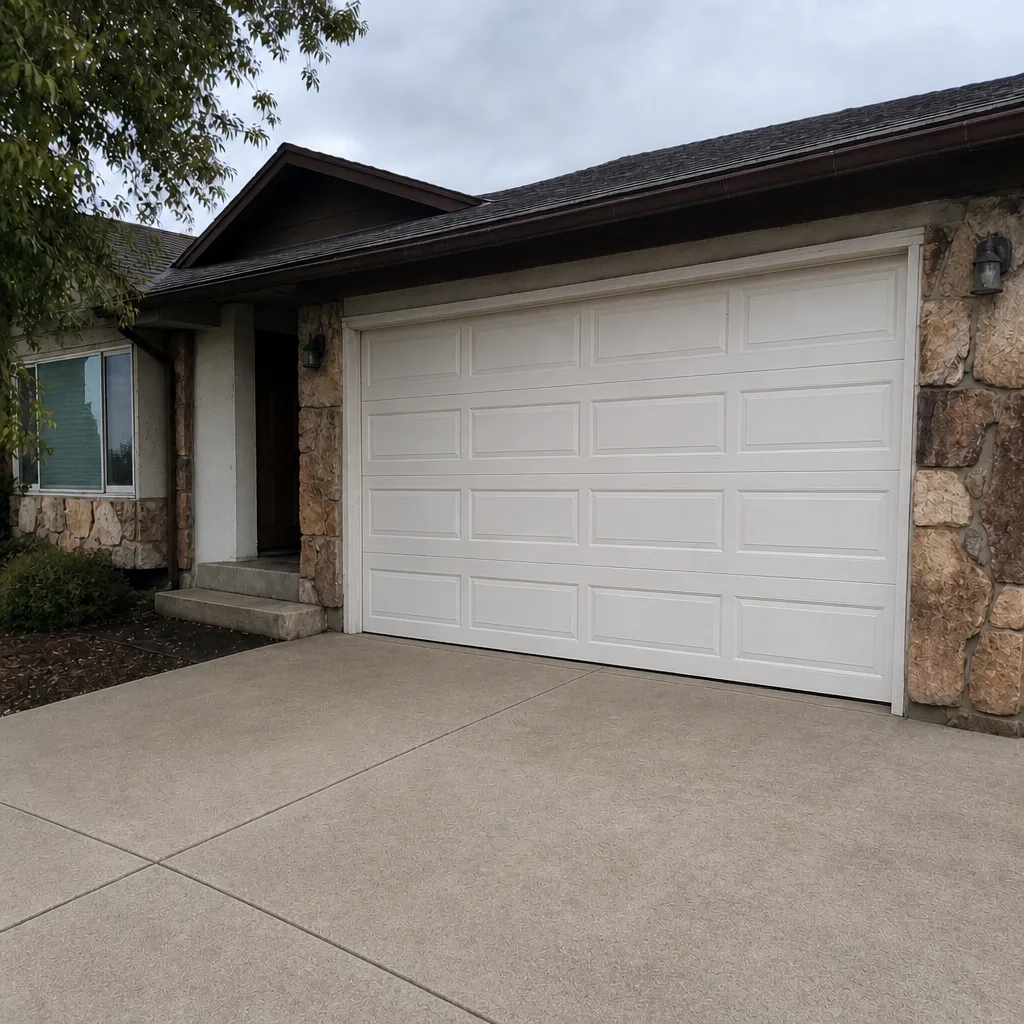
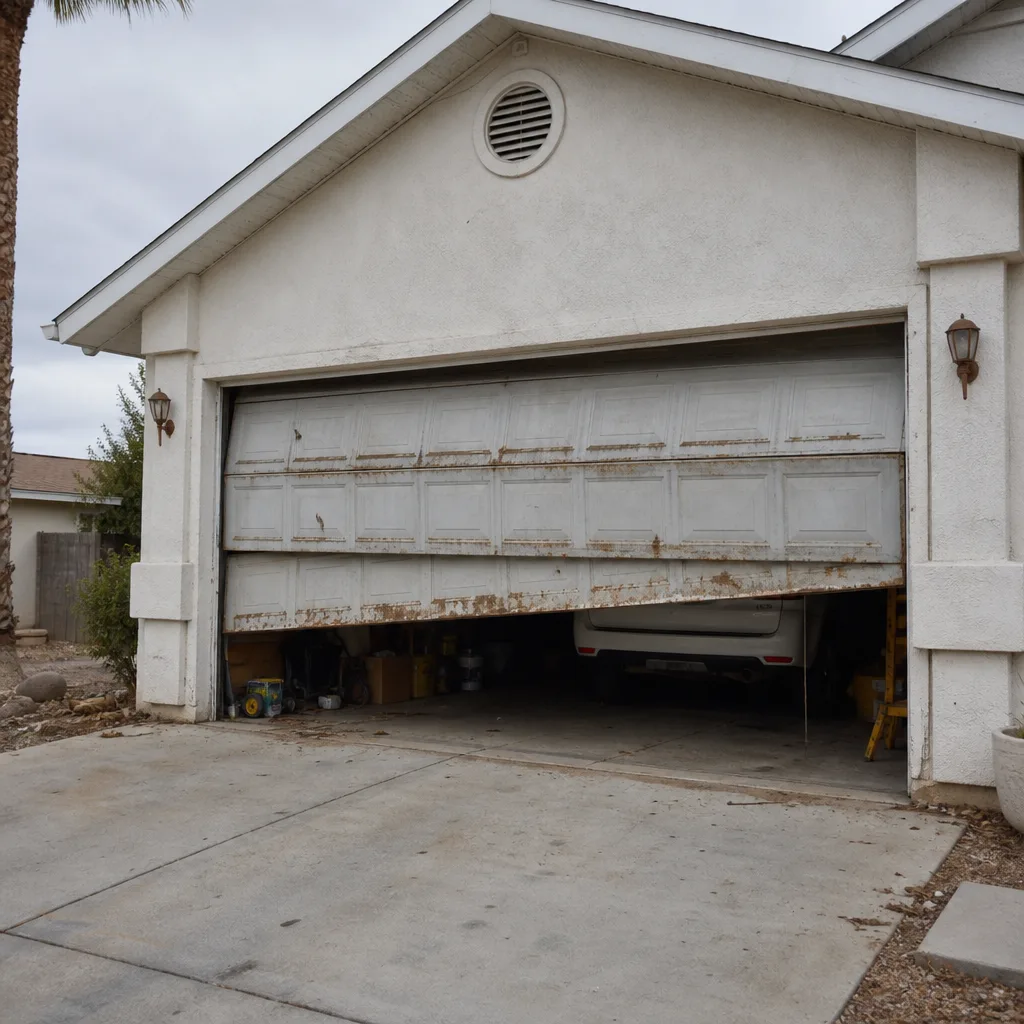
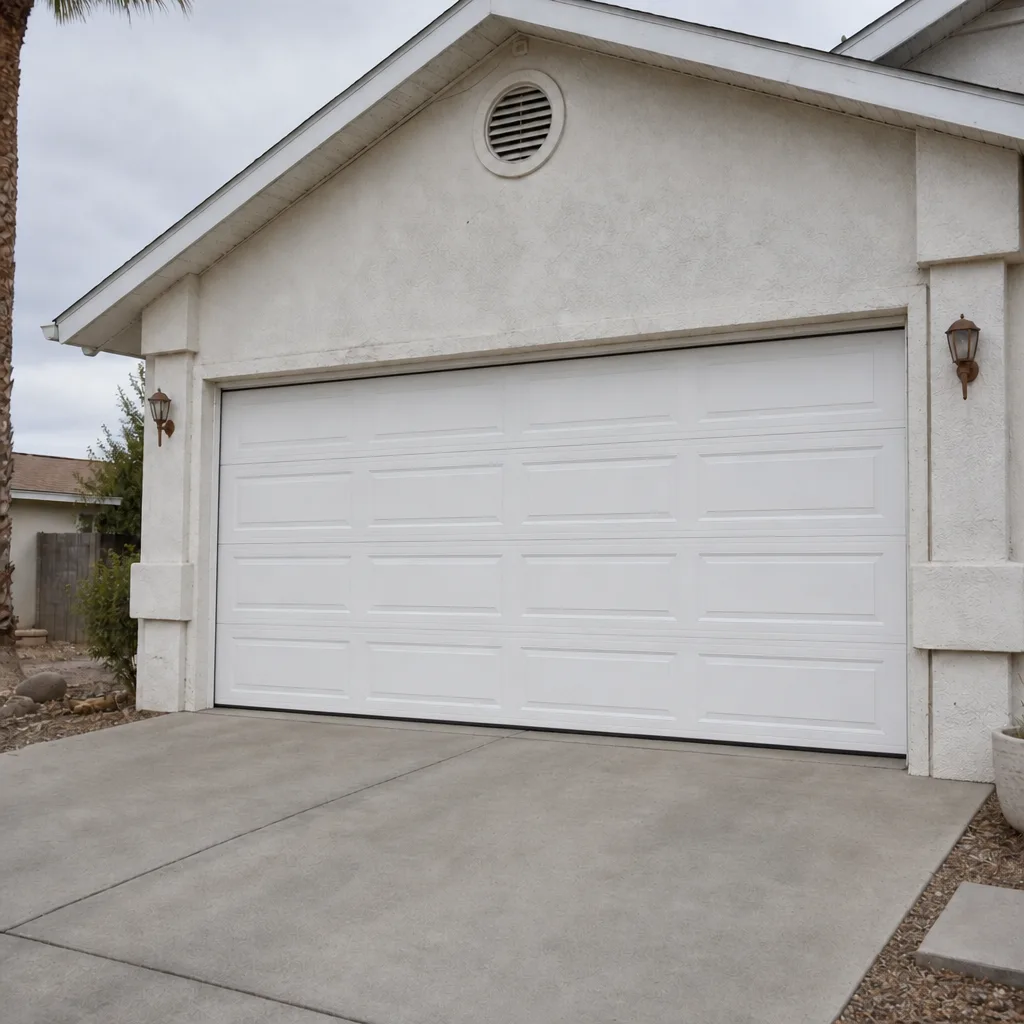
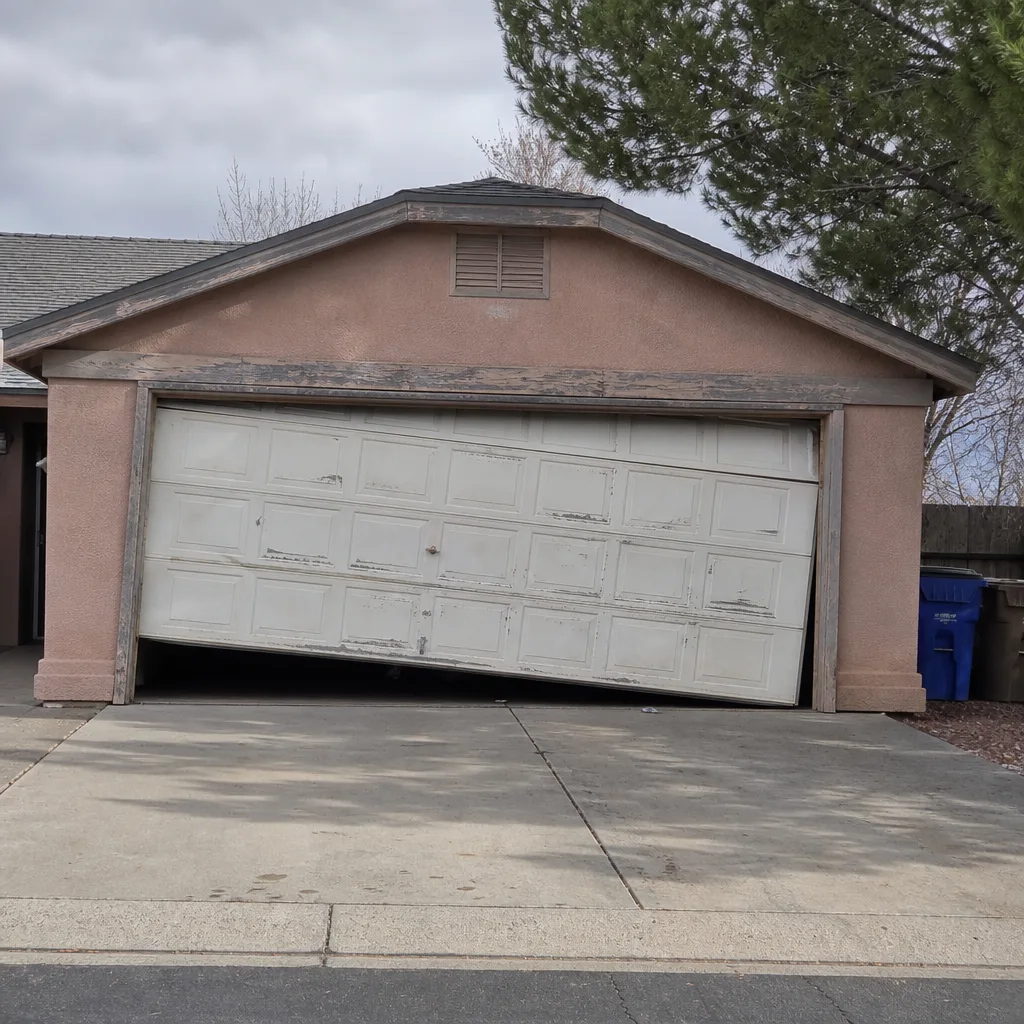
See the difference
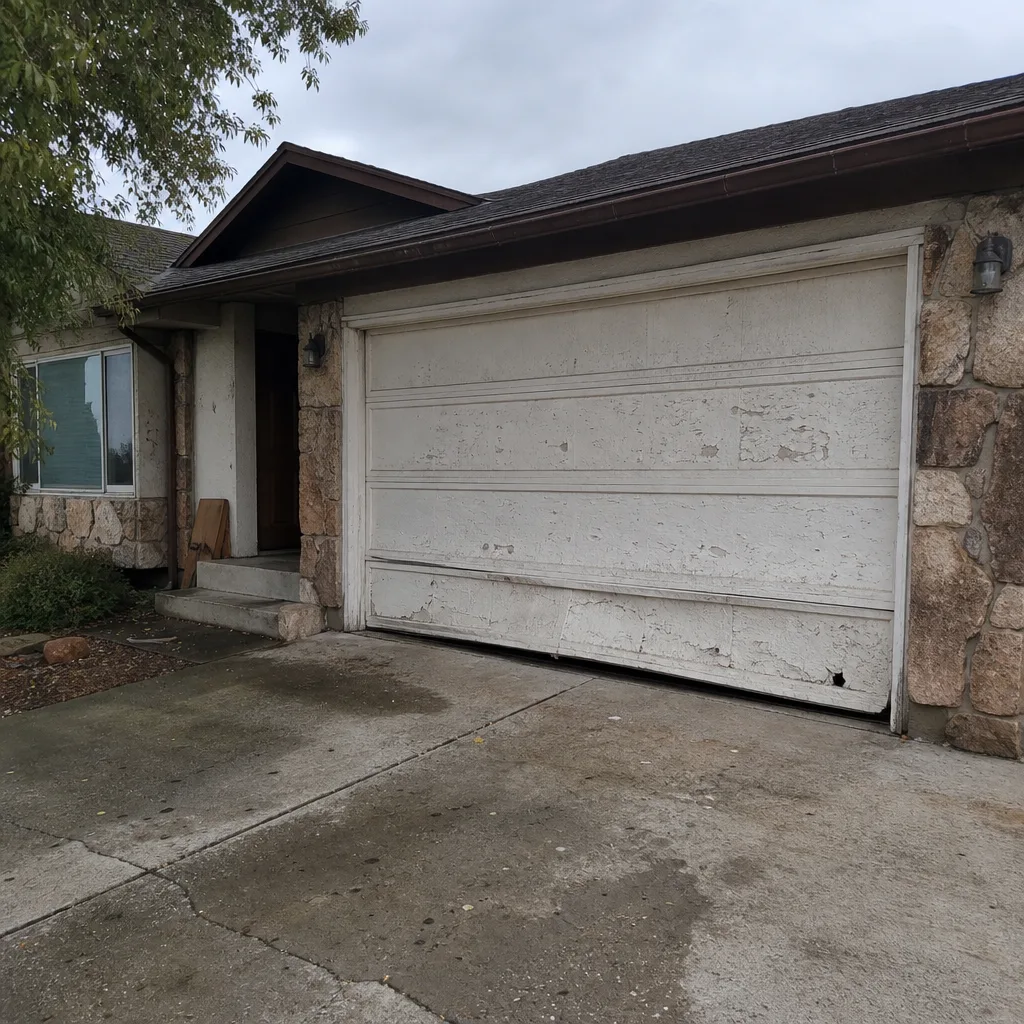 Before
 After
 Before
 After
 Before
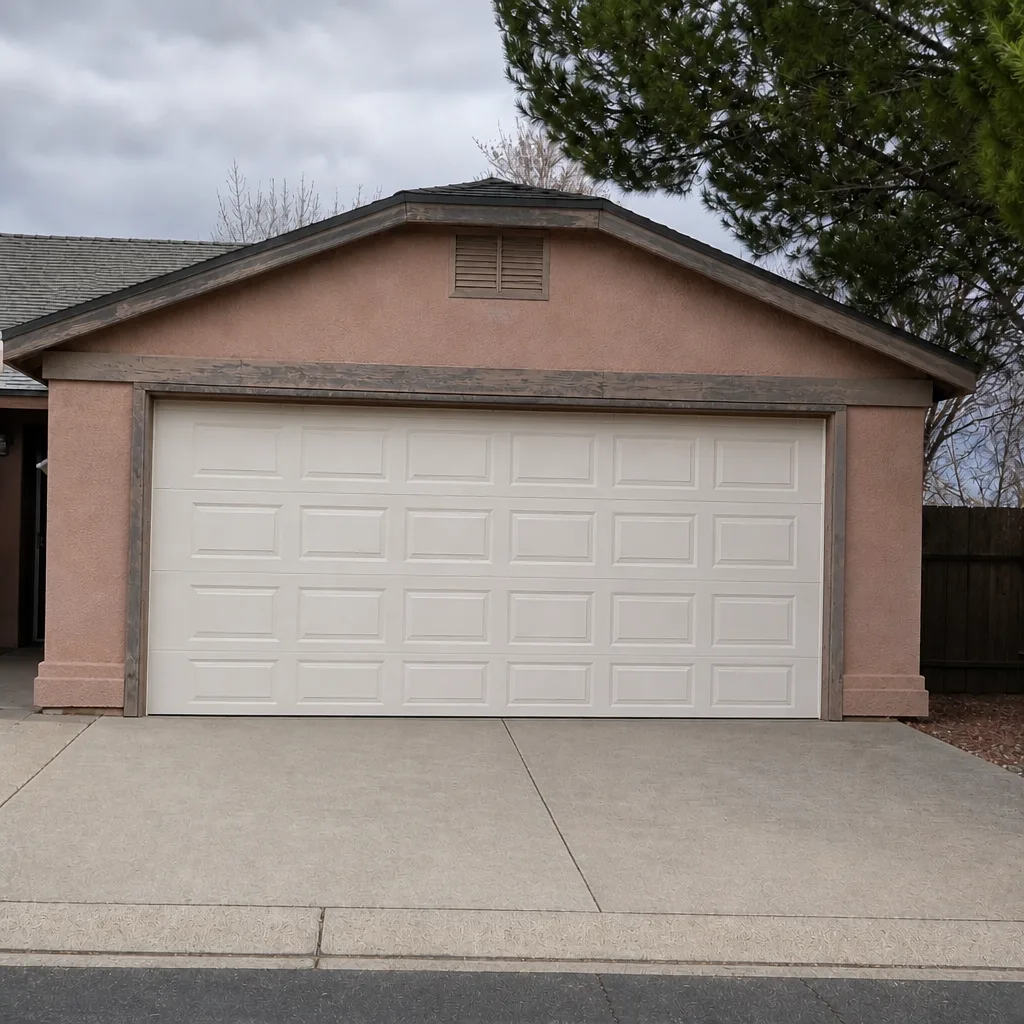 After