
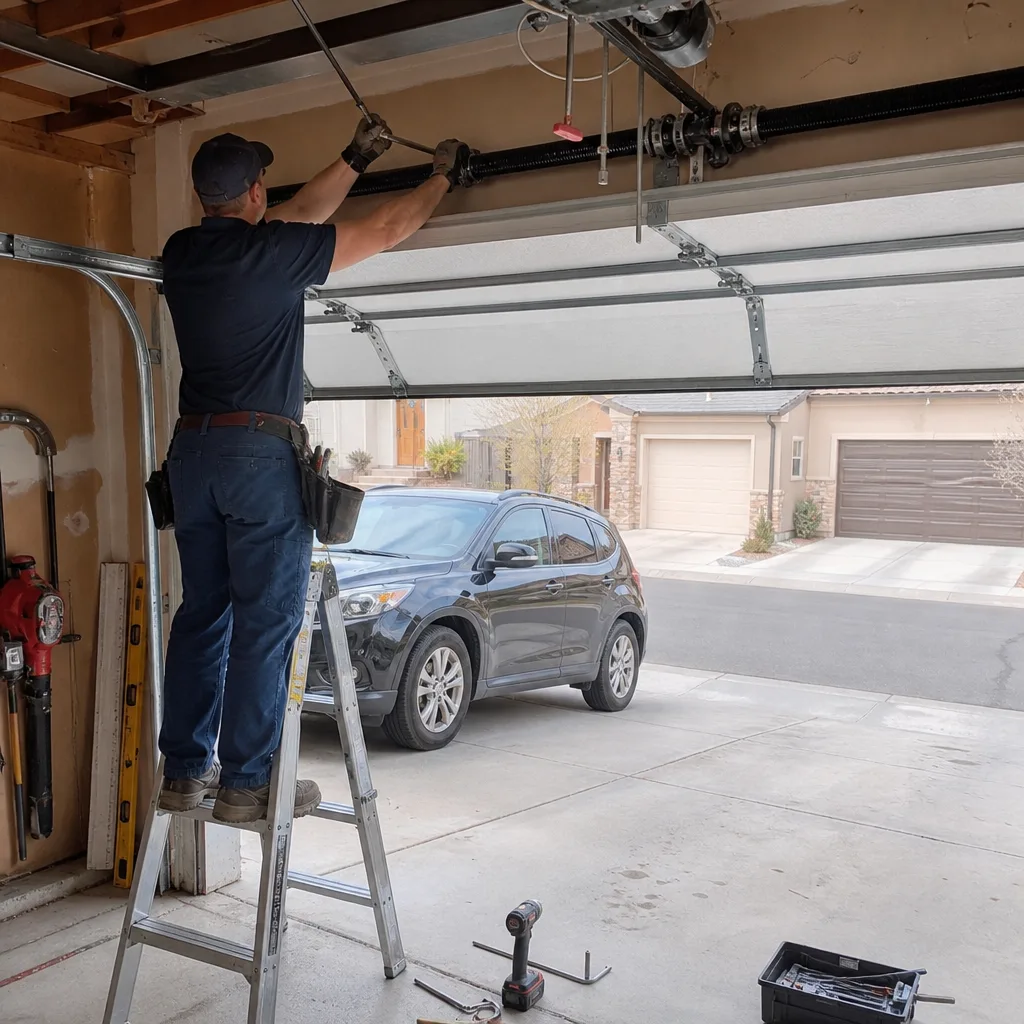
Last updated November 16, 2026
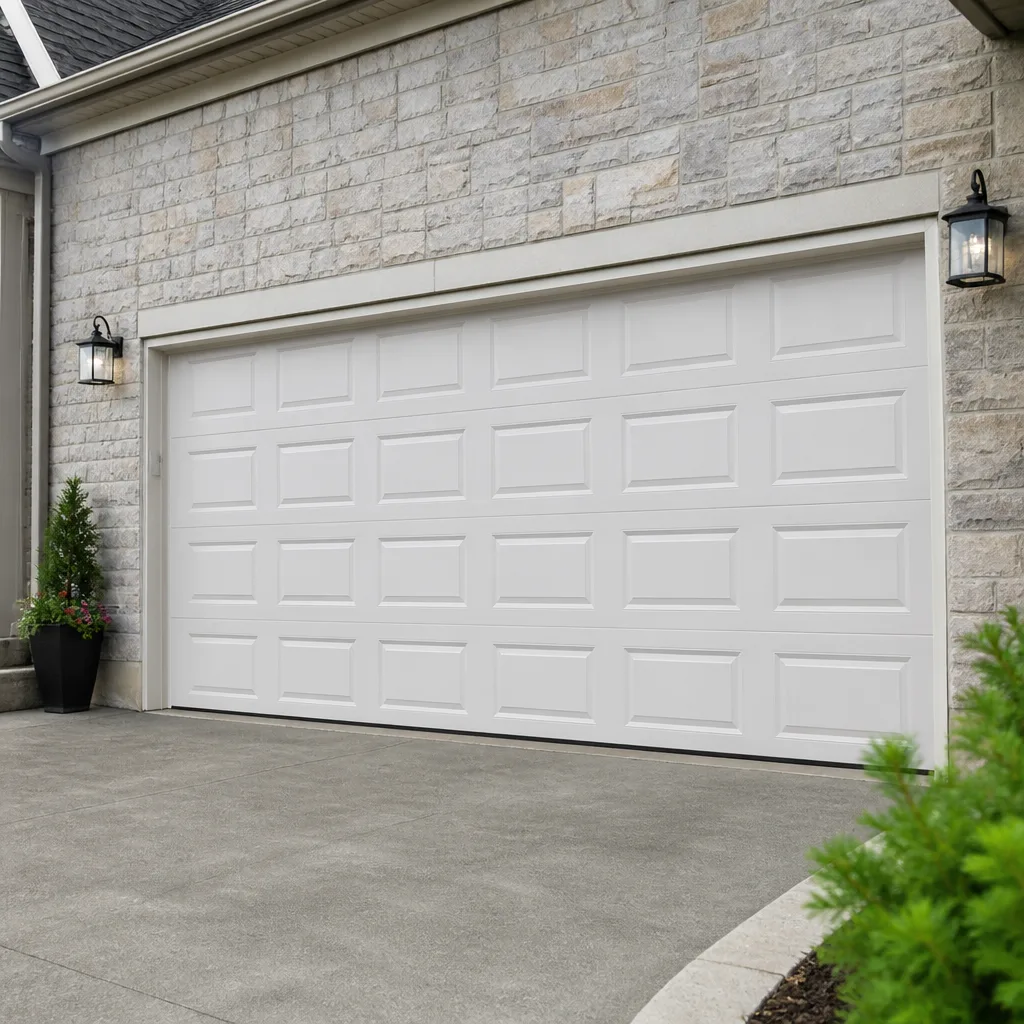 Raised-panel steel
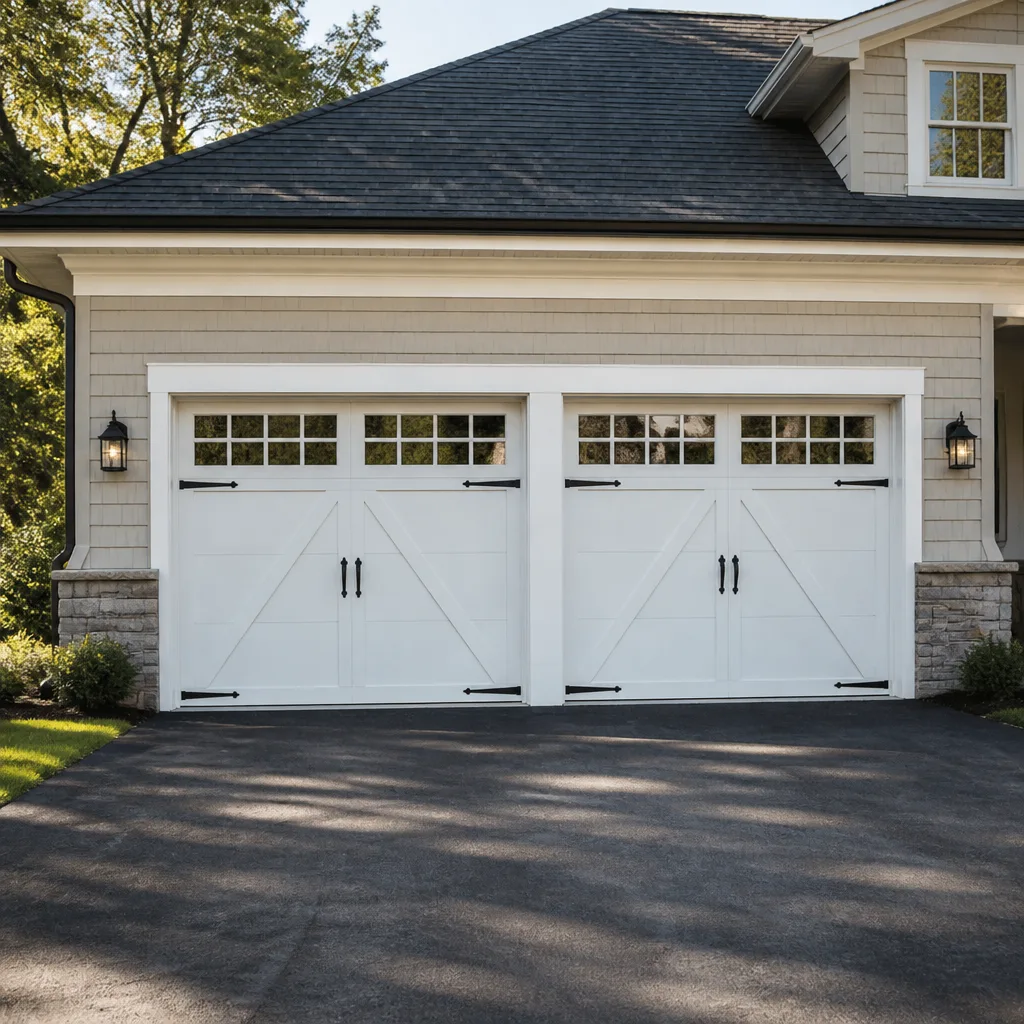 Carriage house
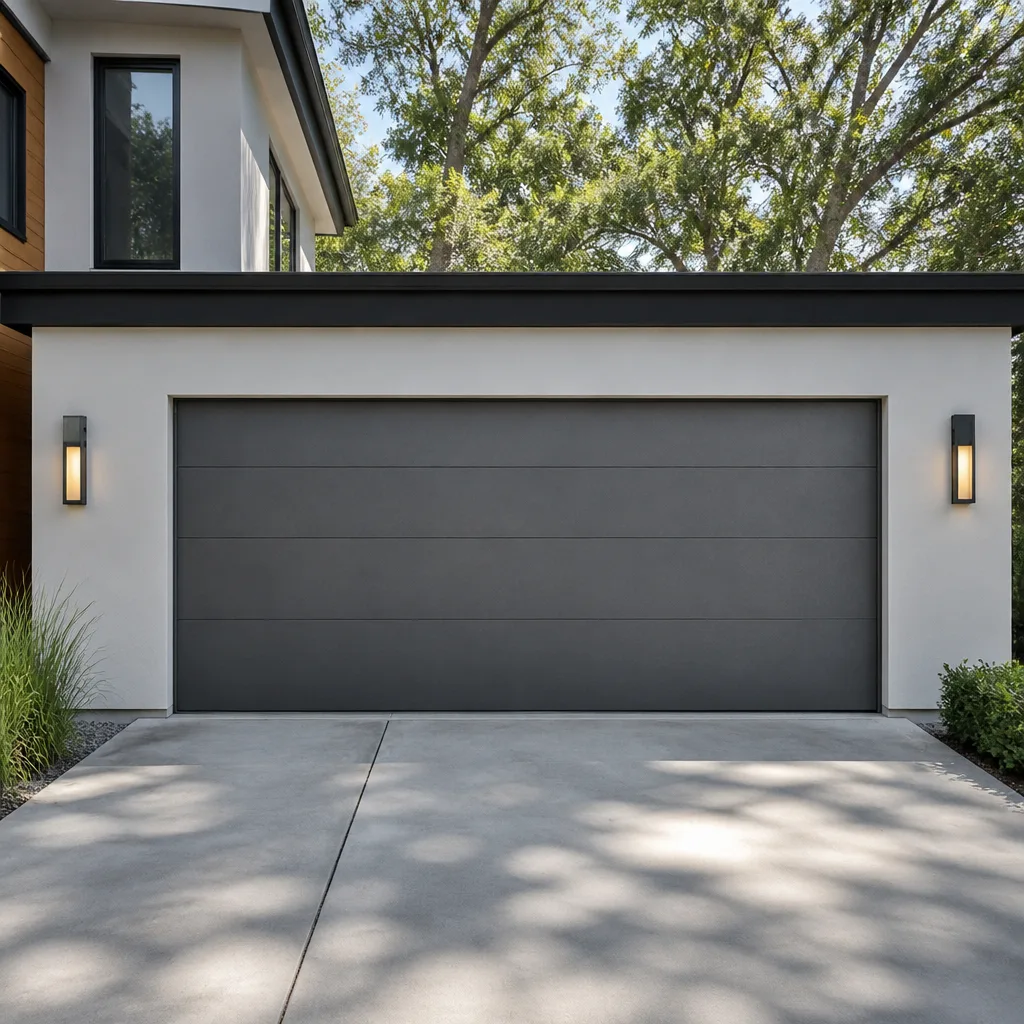 Modern flush
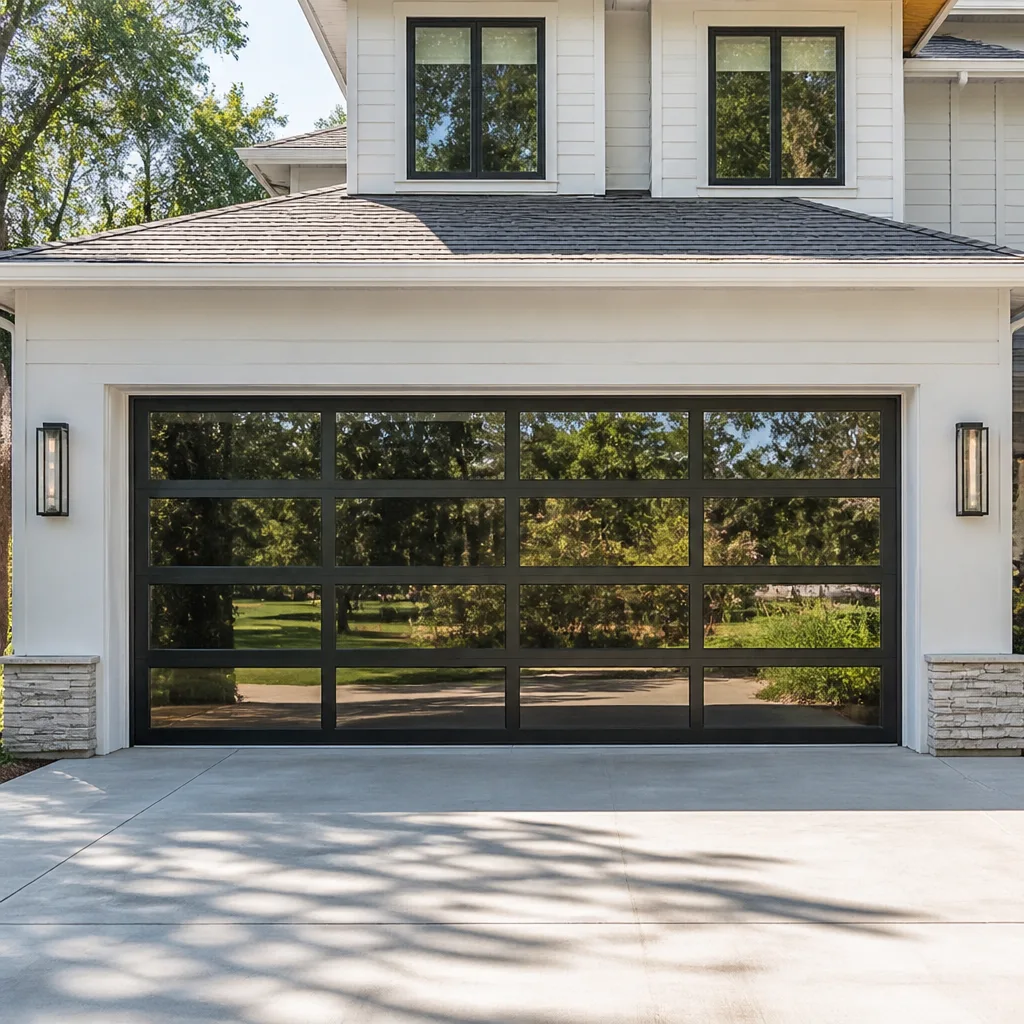 Full-view glass
 LiftMaster openers
 Chamberlain openers
Full 25-point door and opener safety check with every visit - springs, cables, rollers, tracks, and your LiftMaster or Chamberlain opener included
You get a price before we start. It does not change when the pro arrives.
Get your free estimateGarage Door Permits, Codes & Inspections in St. George, UT: What You Need to Know
Most garage door work in St. George never touches a permit. A spring breaks, an opener quits, and the fix is a repair, not a construction project. That’s the ordinary case, and it’s why so many homeowners assume the answer is always “no permit needed.” The counterintuitive part is that a small number of door projects do cross into permitted territory, and the line isn’t drawn where people expect. Change the rough opening or tie the door into a re-sided facade and you’ve stepped over it. This guide explains where that line sits, how HOA rules in St. George stack on top of city requirements, and how to document a simple swap so it never becomes a surprise at resale.
Quick Answer
A like-for-like garage door replacement in St. George usually does not require a building permit. A permit typically becomes necessary when the project changes the structure or the fire separation: widening or altering the rough opening, modifying the header, or replacing a fire-rated wall between the garage and living space. HOA approval in master-planned communities is a separate requirement that can apply even when the city issues no permit.
Styles & brands we work with
- Raised-panel steel
- Carriage house
- Modern flush
- Full-view glass
- LiftMaster openers
- Chamberlain openers
Table of Contents
- When Does a Garage Door Project Need a Permit in St. George?
- What “Like-for-Like Replacement” Actually Means
- Fire Separation Between the Garage and Living Space
- HOA Overlay Rules in Entrada, SunRiver and Other St. George Communities
- How St. George Heat and Dust Affect Doors and Inspections
- What a Garage Door Inspection Covers
- How to Document a No-Permit Replacement
- Permits, Disclosures and Resale in Washington County
When Does a Garage Door Project Need a Permit in St. George?
A garage door replacement needs a permit in St. George when the work changes the building’s structure or its fire separation, not when you simply hang a new door in the same opening. That’s the threshold to hold onto. The city’s building department is the authority on any specific project, and a quick call there settles most questions faster than any general rule. What follows is the framework that decides which side of the line you’re on.
Three situations typically push a door project into permitted territory:
- Rough opening modification. If the new door requires the framed opening to be cut wider, made taller, or reframed, that’s a structural change to the wall. It gets reviewed.
- Header or structural alteration. The header is the beam spanning the top of the opening and carrying the load above it. Replacing or resizing it, or adding a beam where none existed, is structural work and needs a permit.
- Fire-rated wall replacement. The wall and door separating an attached garage from the house carry a fire rating. If the project touches that assembly rather than swapping a door of the same rating, expect a permit and an inspection.
A straight swap in the same opening, same size, same rating, is generally treated as a repair or a minor replacement and doesn’t require a permit. If you’re weighing a repair against a full replacement, our guide to garage door repair walks through how to tell which one your door actually needs before you start thinking about permits at all. Homeowners in St. George who call the building department with the door’s dimensions and the scope of work usually get a clear answer the same day.
What “Like-for-Like Replacement” Actually Means
Like-for-like replacement means the new door matches the old one in size, configuration, and fire rating, and the opening stays untouched. It sounds simple, and it’s the phrase most homeowners rely on when they decide they don’t need a permit. The trouble is that “like-for-like” is narrower than most people assume, and small differences that feel cosmetic can push a project out of the category.
These are the factors that decide whether a replacement really is like-for-like:
- Dimensions. The new door has to fit the existing opening without cutting, shimming the frame out, or reframing. A door that’s even a couple of inches off in width or height means the opening changes, and the opening is structure.
- Configuration. A single door swapped for a single door of the same type is like-for-like. Converting a single wide door to two smaller doors, or the reverse, is not, because the framing between the openings has to change.
- Fire rating. A door carrying the required rating for the garage-to-house separation has to be replaced with one carrying the same rating. Upgrading to a heavier steel door that doesn’t carry the right rating is a downgrade on paper even though it looks like an upgrade.
- Header and tracks. If the new door’s weight or travel needs a different track configuration or a reinforced header, the scope grew past a swap.
In practice, a same-size replacement of an existing door from a brand like Clopay or Amarr, hung in the original opening on the original tracks, is the cleanest case and rarely needs a permit. The moment the word “modify” enters the conversation, treat it as a permitted project until the building department tells you otherwise. That one habit prevents most of the permit trouble we hear about in St. George.
Fire Separation Between the Garage and Living Space
Fire separation is the code requirement that the wall and door between an attached garage and the living space resist fire long enough for people to get out. It’s the code point most homeowners never think about, and it’s the one that catches people upgrading to a heavier steel door without checking the rating. A door that feels more substantial isn’t automatically the right door for that opening.
Here’s how it works in plain terms. The wall between an attached garage and the house is built to a fire-resistance standard, and the door in that wall has its own rating requirement. When you replace the door, the new one has to meet the same standard. When you replace or alter the wall, the assembly has to be rebuilt to standard and inspected. A heavier steel door bought for security or insulation can have a lower fire rating than the door it replaced if it wasn’t specified for the garage-to-house opening. That’s the trap.
What to check before you buy:
- Confirm the rating requirement for your specific opening. Your city’s building department is the source, and the answer depends on whether the garage is attached or detached.
- Match the new door’s rating to the old door’s rating, not to what looks sturdier.
- Keep the paperwork. The door’s rating label and the manufacturer’s spec sheet are what an inspector or a buyer’s inspector will want to see.
- If the wall or the framing around the door is being touched, plan for a permit and an inspection rather than assuming the door swap covers it.
Wayne Dalton and Clopay both publish fire-rated models for garage-to-house openings, and specifying the right one matters more than the brand. If you’re not sure what rating your opening requires, that’s a question for the building department, not a guess.
HOA Overlay Rules in Entrada, SunRiver and Other St. George Communities
HOA approval is a separate requirement from a city permit, and in St. George’s master-planned communities it can apply even when the city issues nothing. Entrada and SunRiver are the two that come up most often, and both sit under architectural review processes that govern what a door can look like, what color it can be, and sometimes what material it’s made from. A city permit doesn’t override an HOA rule, and an HOA approval doesn’t substitute for a permit. They’re two different gates, and a door project can have to pass both.
What the HOA overlay typically covers:
- Style and panel configuration. Many communities restrict door styles to keep facades consistent along a street. A door that’s code-compliant can still be rejected on appearance.
- Color. Paint and finish colors are usually drawn from an approved palette. Changing the door color at replacement time is the most common reason an application gets sent back.
- Material and finish. Some communities specify steel, wood-look, or a particular finish for the street-facing door.
- Window and hardware details. Decorative hardware and window inserts are often part of the approved look.
The practical sequence in an HOA community is to check the architectural rules first, get the approval, then order the door, then handle any city permit the scope requires. Doing it in that order avoids buying a door the community won’t let you hang. If you’re in a St. George neighborhood with an architectural review committee, ask for the written approval before the install date is set. Our St. George service page covers how we handle the scheduling side once approvals are in hand.
How St. George Heat and Dust Affect Doors and Inspections
St. George’s heat and dust put specific wear on a garage door and its hardware, and that wear is often what prompts the replacement in the first place. Summer temperatures here are hard on lubricants, seals, and the finish on a steel door. Dust works its way into tracks and rollers. The combination is why doors in this part of Washington County tend to need attention sooner than their rated lifespan suggests, and why the condition of the door is worth checking before you decide a repair is enough.
What the climate does to a door over time:
- Lubricant breakdown. Heat thins and cooks the grease on rollers, hinges, and springs. Dry metal wears faster and gets noisier before it fails.
- Seal and weatherstrip wear. The bottom seal and the perimeter weatherstrip dry out and crack, letting dust and heat into the garage.
- Finish degradation. Sun exposure fades and chalks paint and powder coat, which is cosmetic until the steel underneath starts to show.
- Track and roller friction. Dust in the tracks increases resistance, which the opener has to work harder to overcome.
None of this is a permit issue on its own. It matters because a door that looks like it needs replacing on the surface sometimes needs a tune-up, and a door that looks fine can have a spring close to failure. An inspection tells you which. In our experience, opening the door and looking at the springs, cables, rollers, and bottom seal before ordering a replacement saves St. George homeowners from buying a door they didn’t need yet. The same inspection is what tells you whether a replacement will be a simple like-for-like swap or a project that touches the opening.
What a Garage Door Inspection Covers
A garage door inspection checks the door’s mechanical condition, its safety features, and the condition of the opening and hardware. It’s a visual and functional review, not a permit inspection, though the two are often confused. A city inspection confirms permitted work was done to code. A service inspection tells you what the door needs. Homeowners planning a replacement usually want the second one, and homeowners who’ve had permitted work done need the first.
What a service inspection covers:
- Springs and cables. The torsion springs above the door and the cables that run alongside it are checked for wear, elongation, and correct tension. These are under high tension and are never a do-it-yourself item. A trained technician handles them with the right tools and winding bars.
- Rollers, hinges, and tracks. Wear, flat spots, and alignment are checked, and the tracks are checked for dents and correct plumb.
- Opener and safety systems. The motor, logic board, travel limits, and the safety sensors at the bottom of the tracks are tested. If the opener is failing, the fix is often an opener-specific repair rather than a new unit, which is a separate discipline and a separate page.
- Balance and travel. The door is run through its cycle to check balance, smooth travel, and that the safety reverse works.
- Seals and the opening. The bottom seal, weatherstrip, and the condition of the framing around the opening are checked, which is also what tells you whether a replacement will be like-for-like.
A city inspection of permitted work is different. It confirms the structural change, the fire separation, or the opening modification was done to the approved plan. If your project crossed the permit threshold, that inspection is the one that closes out the permit, and it’s scheduled through the building department, not through us. If you suspect an opener problem rather than a door problem, our garage door opener repair page explains how a failing logic board or sensor is diagnosed before anyone recommends a new unit.
How to Document a No-Permit Replacement
Documenting a no-permit replacement means keeping a paper trail that shows the work was a like-for-like swap and not an unpermitted structural change. Most homeowners skip this step because nothing requires it at the time. It matters later, at resale, when a buyer’s inspector asks what was done and whether it was permitted. A short file answers that question cleanly, and its absence is what turns a simple replacement into a disclosure headache.
What to keep in the file:
- The door’s spec sheet and rating label. The manufacturer’s documentation showing size, model, and fire rating, if applicable.
- The invoice or work order. A record showing the scope: same opening, same size, same configuration, door replaced.
- Photos. Before and after photos of the opening and the installed door, taken from a couple of angles.
- HOA approval, if you’re in an HOA community. Keep the written approval in the same file as the door paperwork.
- A short note on what was and wasn’t done. One paragraph stating the door was replaced in the existing opening with no changes to the framing, header, or fire separation. That single note is what a buyer’s agent wants to see.
Permits, Disclosures and Resale in Washington County
Permits and disclosures affect resale when work that required a permit was done without one, and it shows up during the buyer’s inspection or title review. Most garage door replacements in St. George never create that problem because they never needed a permit. The cases that do create a problem are specific: an opening was widened, a header was changed, or a fire-rated wall was rebuilt without the inspection. Those are the ones that can stall a sale or force a retroactive permit, and the retroactive route costs more time than doing it right the first time.
The disclosure side is about honesty and paper. If you replaced a door like-for-like, say so, and show the file. If you had permitted work done, keep the permit number and the final inspection sign-off in your home records. If you’re on the buying side, a garage door that was changed is worth a look at the opening and the framing, not just the door. An inspector who sees a door with different dimensions from what the header was framed for will flag it, and that’s when the questions start.
In our experience, the homeowners who have the shortest conversations at resale are the ones who kept a simple folder. Door spec sheet, invoice, a few photos, and a one-line note about the scope. That’s it. For everything on the repair-and-install continuum, from a spring fix to a full replacement, one specialist handling the work and the paperwork keeps the record consistent. If you’re working out whether your project is repair or replacement, our Rosemont Garage Door Service team can walk through the scope with you before you order anything.
Common Mistakes to Avoid
- Assuming a heavier door is automatically the right door. A heavier steel door can have a lower fire rating than the door it replaces. Match the rating to the opening, not to how substantial the door feels.
- Widening the opening without a permit. Reframing the rough opening changes the structure, and the building department will want to see it. A door that doesn’t fit the opening isn’t a same-size replacement.
- Skipping the HOA check in Entrada or SunRiver. Ordering a door that the community’s architectural review won’t approve means buying it twice. Get written approval first, then order.
- Changing the door color at replacement without approval. Color is the most common reason an HOA application gets sent back, and it’s the easiest thing to check before you order.
- Treating a like-for-like swap as a structural change. The opposite mistake. A same-size swap in the original opening doesn’t need a permit, and pulling one wastes time. Know which side of the line your project is on.
- Throwing away the door paperwork. The spec sheet and rating label are what prove the work was done right. Keep them with the invoice and the photos.
- Assuming unpermitted structural work will never come up. It surfaces during a buyer’s inspection, which is the most expensive possible moment to fix it. Do the permit up front when the scope requires it.
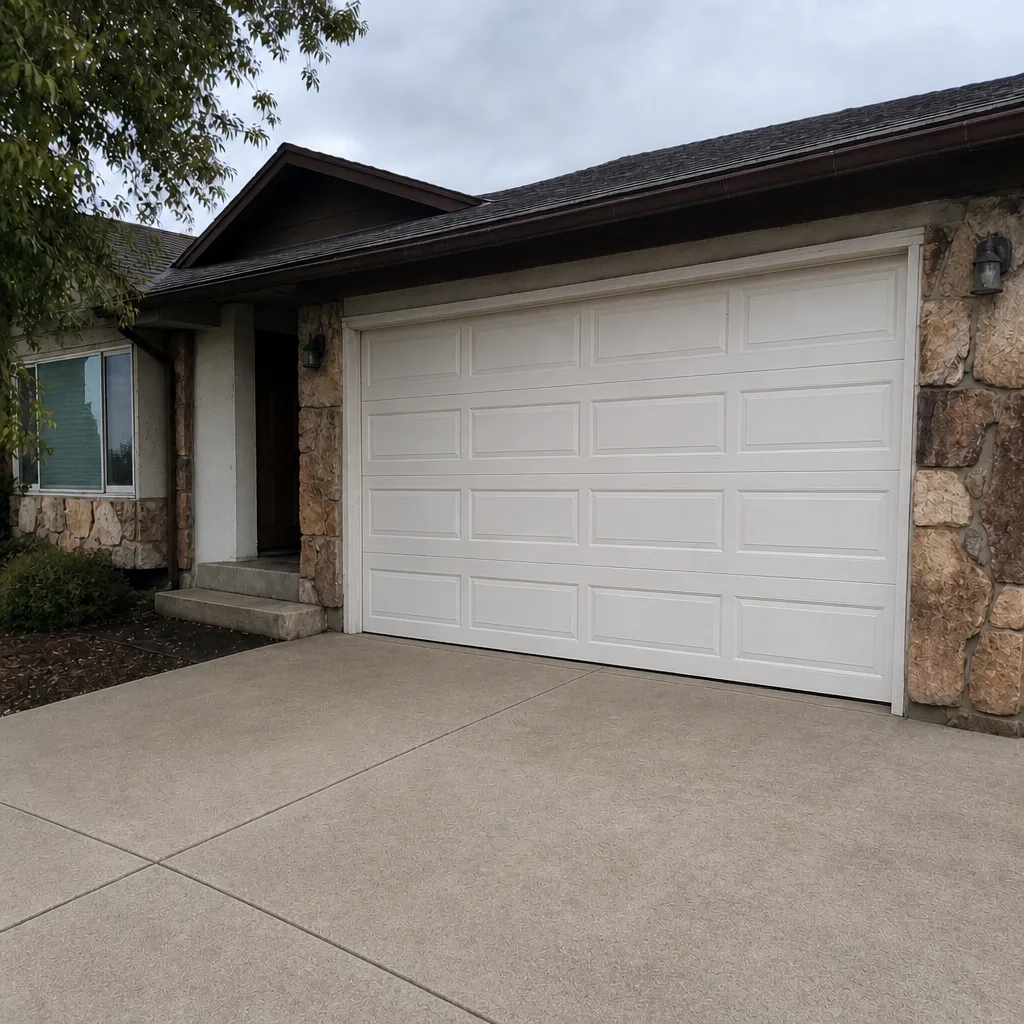
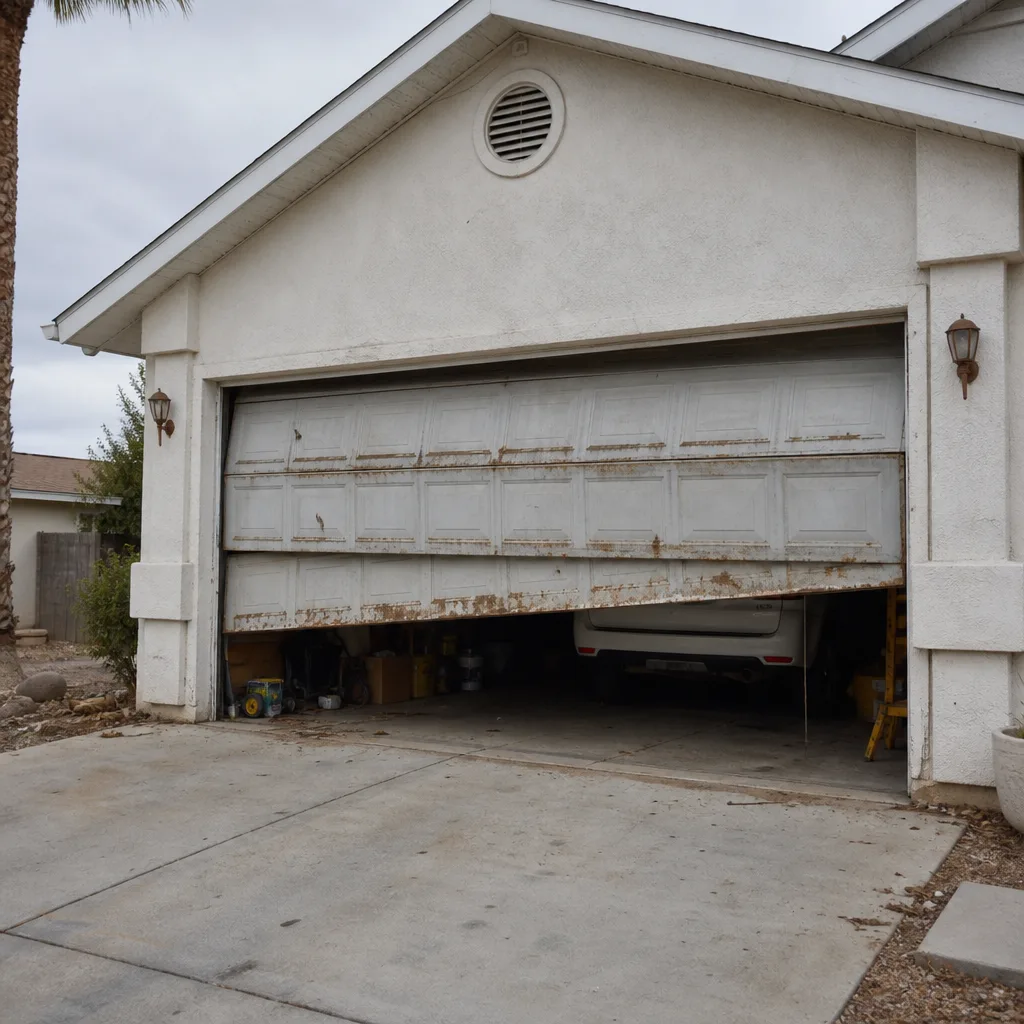
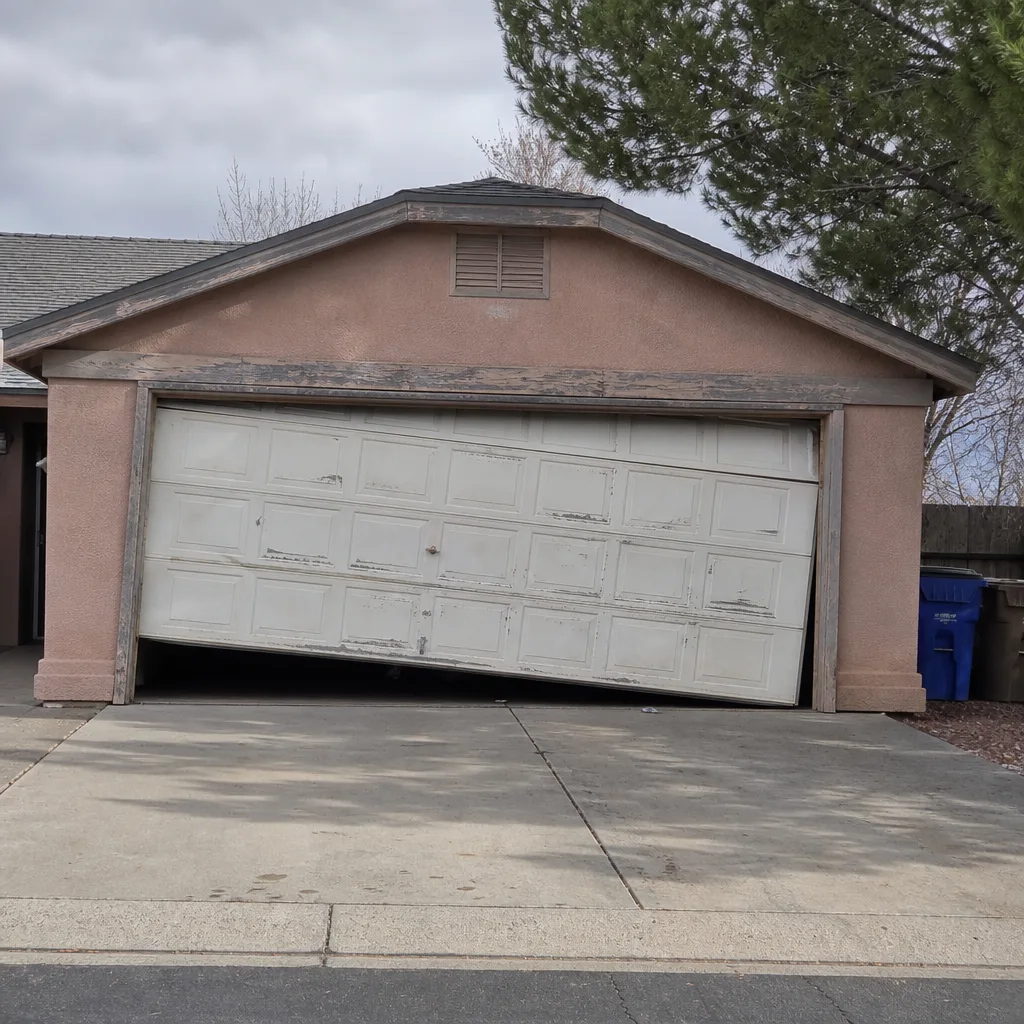
See the difference
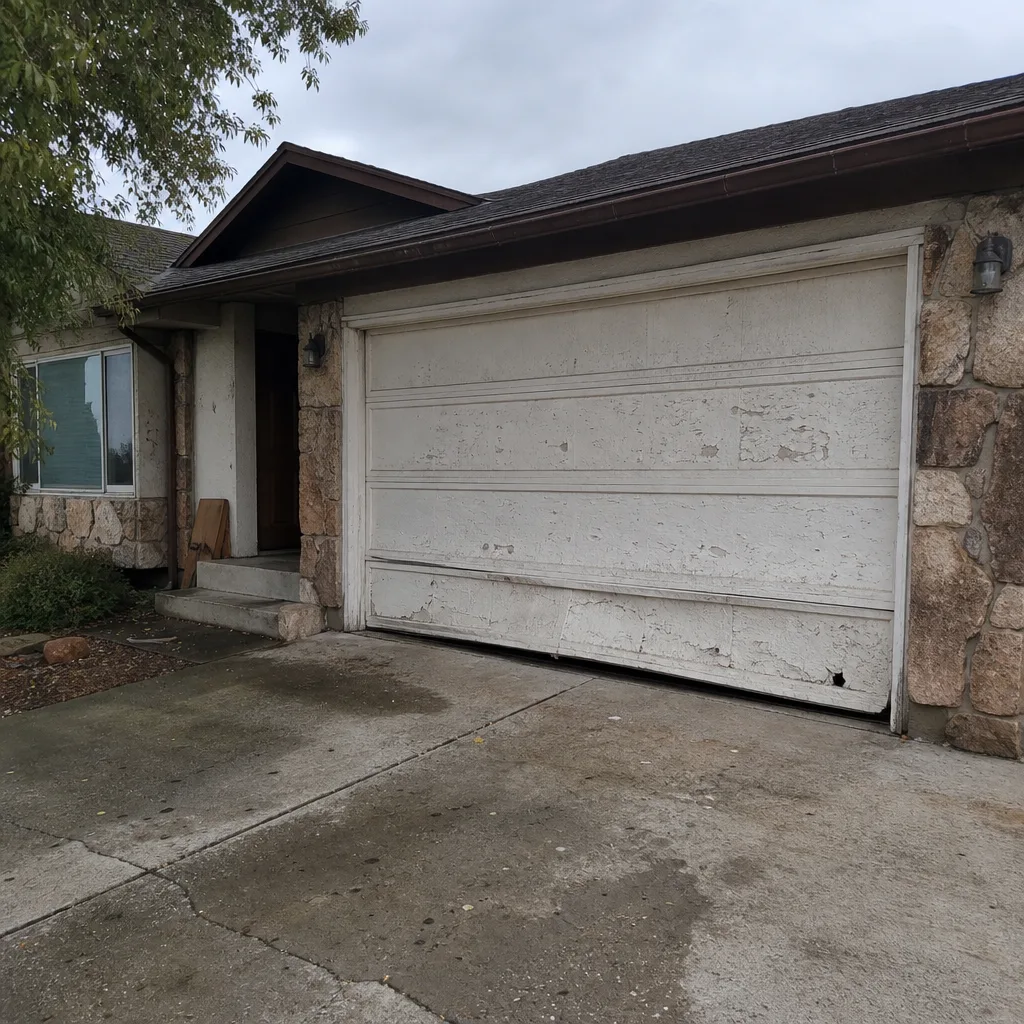 Before
 After
 Before
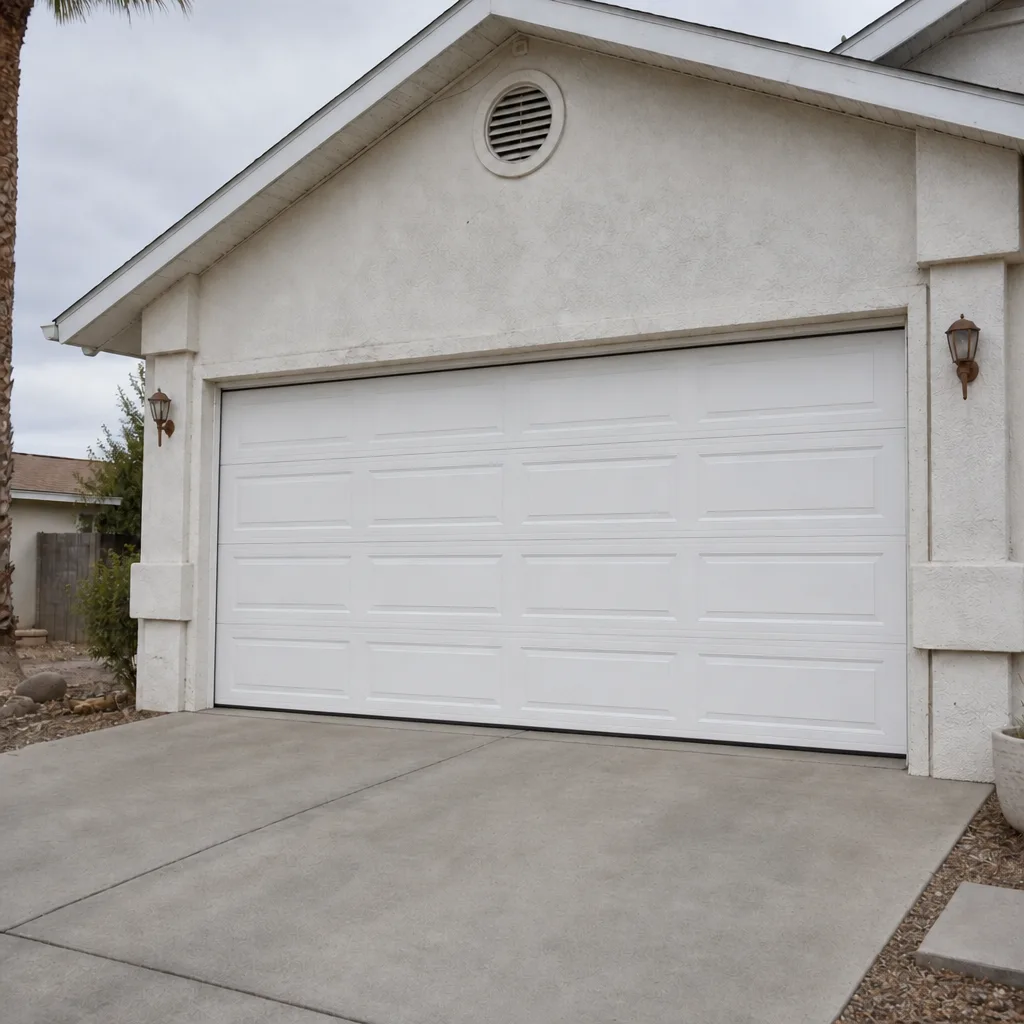 After
 Before
 After
When to Call a Professional
Call a professional when the work involves a spring under tension, a cable, the opener’s logic board or safety sensors, or any measurement that tells you whether the opening is standard. Springs and cables are high-tension parts, and a mistake there can cause serious injury; this is work for a trained technician with the right tools, not a weekend project. Call us when you want to know whether your door is a repair or a replacement before you start thinking about permits, and call when a new installation needs measuring and a written price before the door is ordered. The brands most often installed in St. George homes – Clopay, Amarr, Wayne Dalton, and Craftsman among them – are brands our technicians know, so the diagnosis fits the system that’s actually on your door. Rosemont Garage Door Service offers free estimates in St. George – call (866) 389-3687. We answer 24/7. Fast dispatch from 7am to 7pm, Sunday through Friday.
Frequently Asked Questions
Usually no. A like-for-like replacement in the same opening, with the same size and fire rating, generally doesn’t require a permit in St. George. You do need a permit when the project changes the rough opening, alters the header or other structure, or replaces the fire-rated wall between the garage and living space. Call (866) 389-3687 if you’re not sure which side your project falls on – estimates are free.
Yes, HOA approval is separate from city permitting and can apply when the city issues no permit at all. Communities like Entrada and SunRiver run architectural review that governs door style, color, material, and hardware, and that review happens independently of the building department. Get the HOA’s written approval before you order the door. Call (866) 389-3687 for a free measure and a written price once approvals are in hand.
A fire-rated garage door is one built to resist fire for a set period, and it’s required for the opening between an attached garage and the living space. It matters because a heavier steel door bought without checking the rating can have a lower fire rating than the door it replaces. Your city’s building department is the source for what your specific opening requires, so ask before you buy. Call (866) 389-3687 to have your existing door’s rating checked before replacement.
Keep a file with the door’s spec sheet and rating label, the invoice showing the scope, before-and-after photos of the opening, and any HOA approval. Add a one-paragraph note stating the door was replaced in the existing opening with no changes to the framing, header, or fire separation. That file is what answers the question at resale. Call (866) 389-3687 if you want the scope documented in writing before any work starts – estimates are free and the price is set before we begin.
Yes, when the project crossed the permit threshold, a city inspection confirms the work was done to the approved plan. The inspection is scheduled through the building department, not through us. Service inspections and permit inspections are two different things, and a replacement project that needed no permit doesn’t need either one for the permit side. Call (866) 389-3687 if you need a service inspection of the door’s mechanics before you decide on replacement.
We price per job by written estimate, so the exact figure depends on your door, the opening, and the scope. The estimate is free and the price is quoted and agreed before any work starts, so you’ll never see an invoice larger than the number you approved. Call (866) 389-3687 for an exact quote – estimates are free.
The Bottom Line
Most garage door replacements in St. George don’t need a permit. The ones that do are the projects that change the structure or the fire separation: an altered rough opening, a modified header, or a rebuilt fire-rated wall. HOA approval in communities like Entrada and SunRiver is a separate gate that can apply even when the city issues nothing, so check it first. Match the fire rating to the opening rather than to how sturdy the new door feels, and keep a simple file so a like-for-like swap never becomes a disclosure question. When the scope is unclear, call the building department and call us.
Call (866) 389-3687 for a free estimate. We answer 24/7. Fast dispatch from 7am to 7pm, Sunday through Friday.
Written by the team at Rosemont Garage Door Service.