
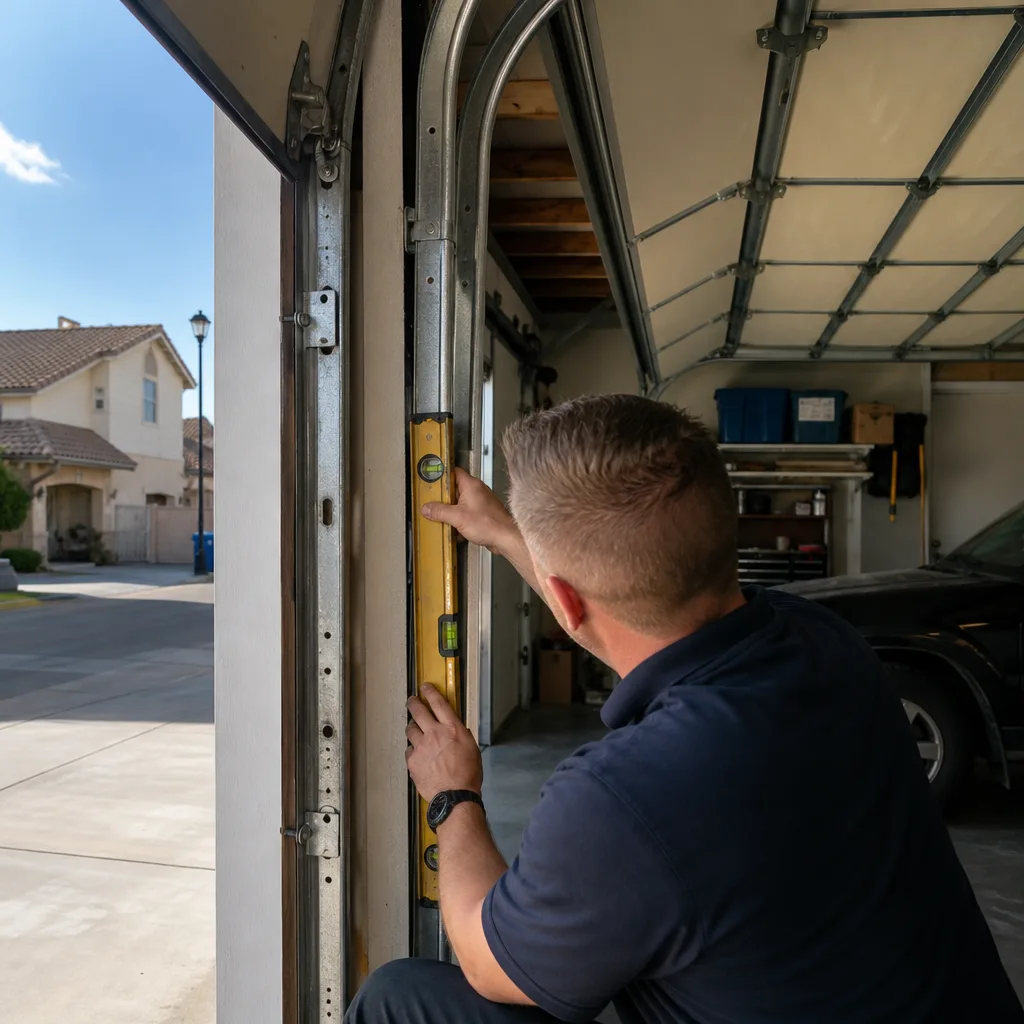
Last updated November 16, 2026
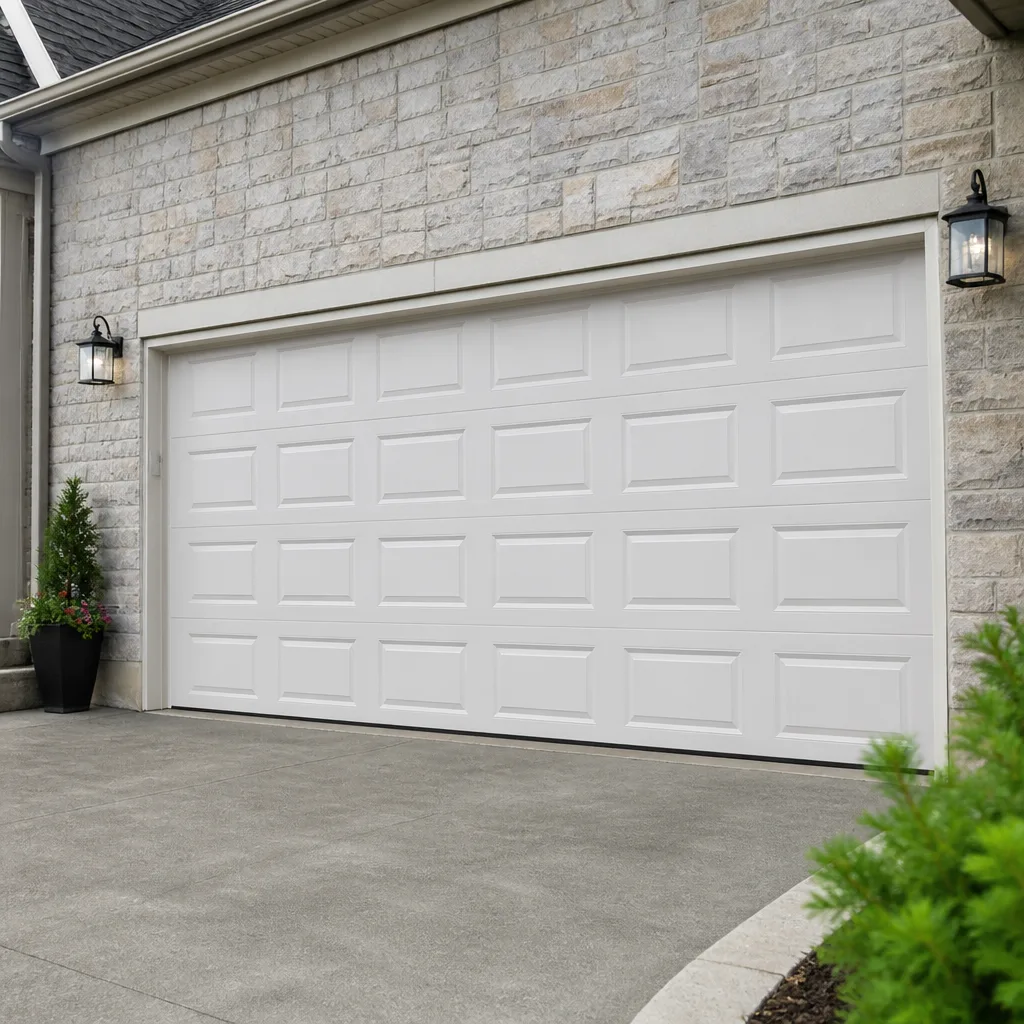 Raised-panel steel
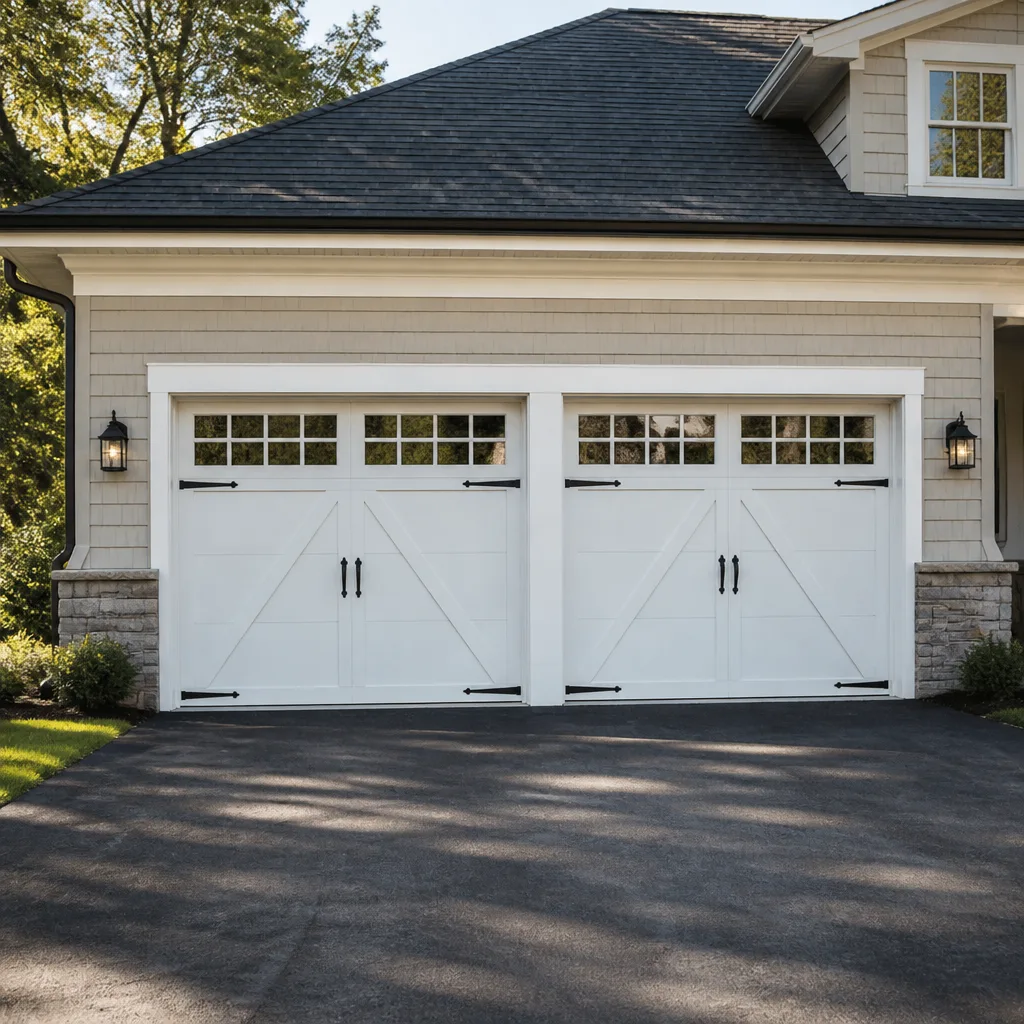 Carriage house
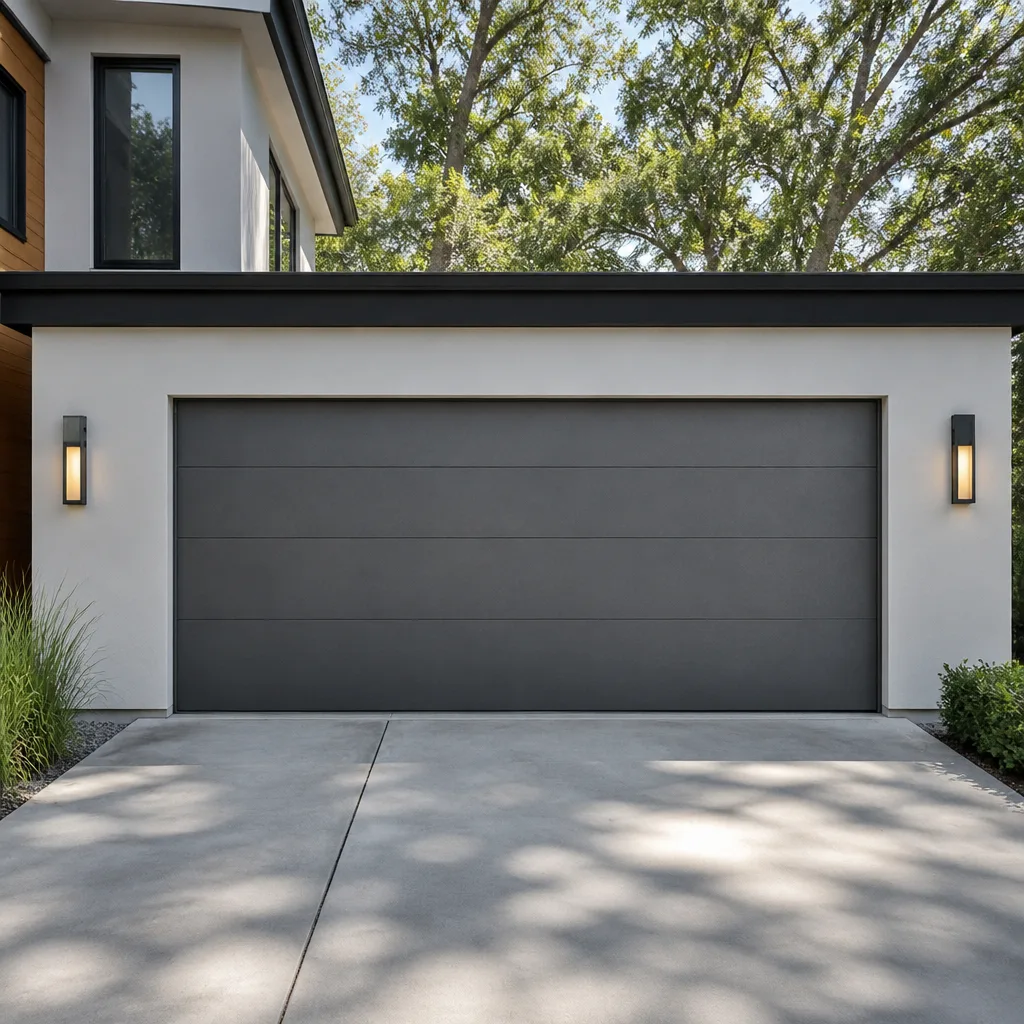 Modern flush
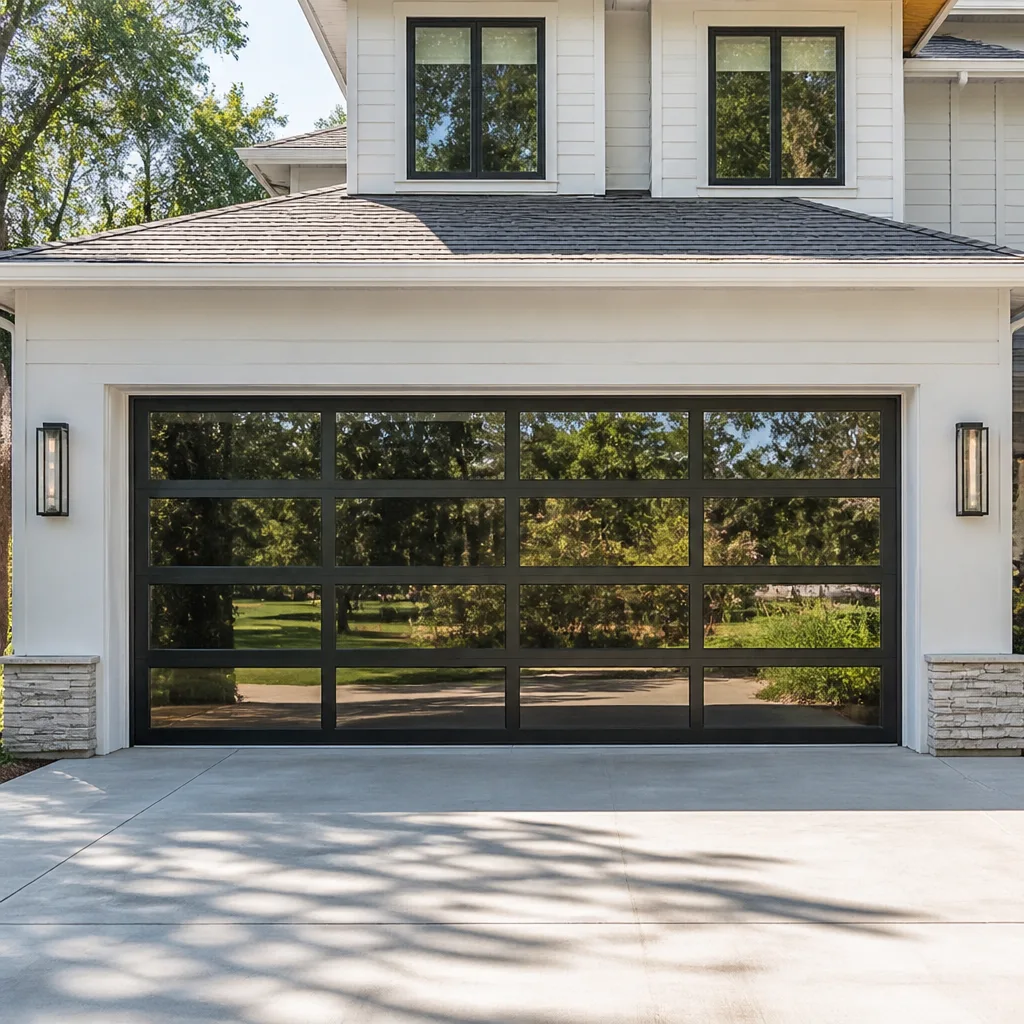 Full-view glass
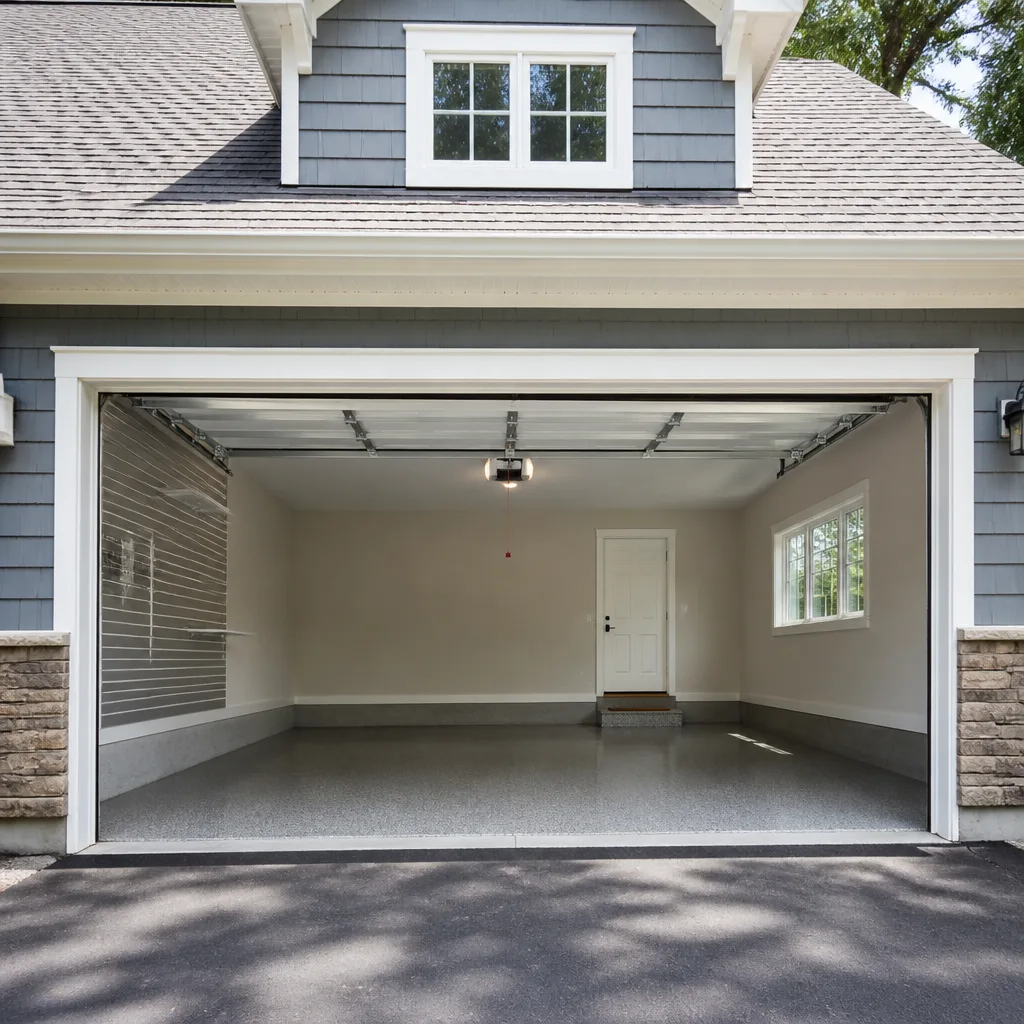 LiftMaster openers
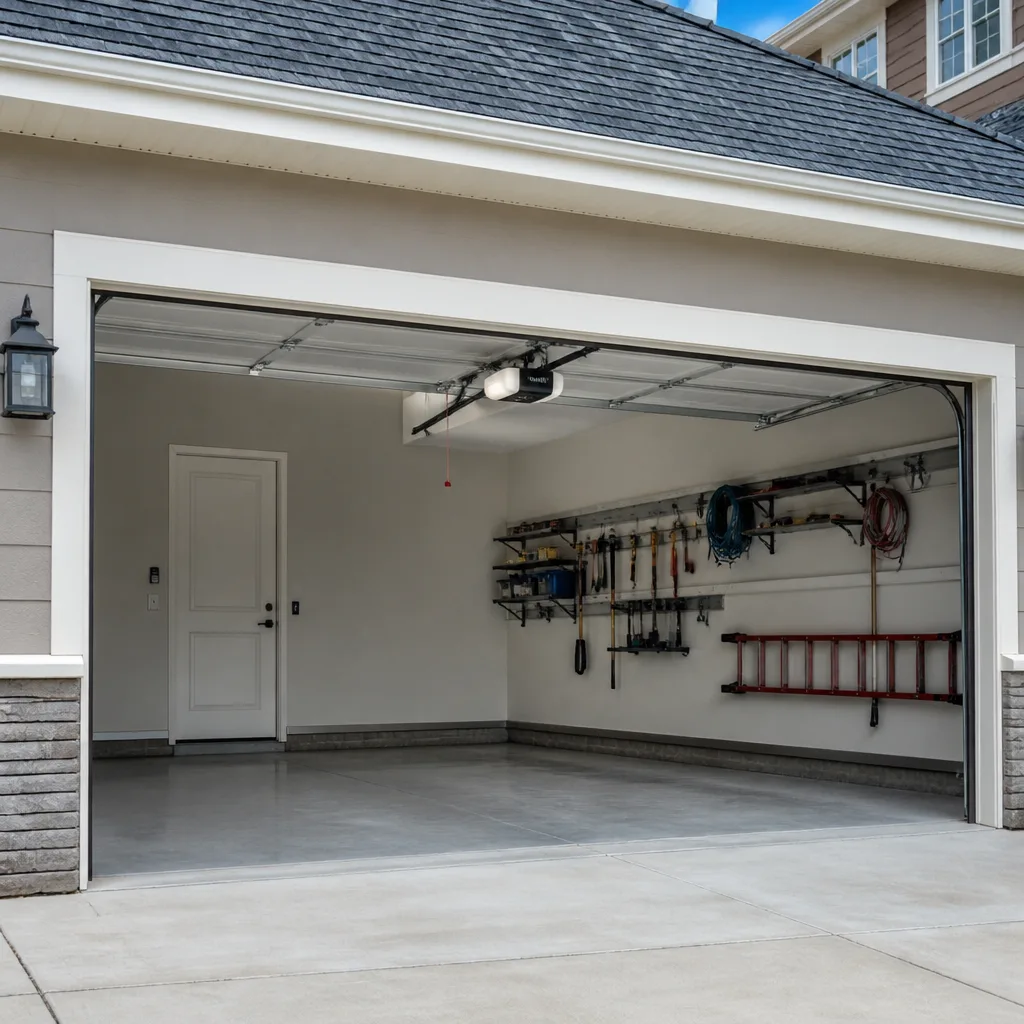 Chamberlain openers
Full 25-point door and opener safety check with every visit - springs, cables, rollers, tracks, and your LiftMaster or Chamberlain opener included
You get a price before we start. It does not change when the pro arrives.
Get your free estimateGarage Door Repair Troubleshooting in St. George: Common Problems and How to Fix Them
Most garage door troubleshooting guides are written for a climate that doesn’t exist here. They talk about rust, humidity, and ice dams, then send you out to the driveway with a checklist that misses the thing actually breaking your door. In St. George, the culprit is usually heat, dust, or plain hardware fatigue – and each one leaves a different fingerprint on how the door fails. St. George averages around 300 days of sun a year, and that steady heat is enough to expand a metal track and throw the door’s alignment off by a quarter inch without anything being bent or broken. Read the symptom correctly and you’ll know whether this is a five-minute reset or a call to a specialist. This guide walks through the failures we see most often, how to tell them apart, and which ones you should never touch yourself.
Quick Answer
Most garage door problems in St. George come down to three root causes: heat expansion that knocks tracks and alignment out of true, desert dust that fouls rollers and safety sensors, and metal fatigue in springs and cables. You can safely reset a misaligned track, clear dusty sensors, and re-engage a disconnected opener yourself. A broken torsion spring, a cable off its drum, or anything involving high tension needs a trained technician – those parts store enough energy to cause serious injury.
Styles & brands we work with
- Raised-panel steel
- Carriage house
- Modern flush
- Full-view glass
- LiftMaster openers
- Chamberlain openers
Table of Contents
- How to Read Your Door’s Symptom Before You Call Anyone
- Why St. George Heat Causes False Alignment Symptoms
- The High-Desert Dust and Debris Checklist
- Spring, Track, or Opener? Telling Them Apart by Cycle Position
- Using the Manual Disconnect Cord to Diagnose Mechanical vs. Electrical
- Safe DIY Resets vs. Symptoms That Need a Professional
- What Each Noise Is Telling You
- A Seasonal Troubleshooting Calendar for St. George
How to Read Your Door’s Symptom Before You Talk to Anyone
The single most useful thing you can do before calling for service is describe the failure in mechanical terms. “It’s broken” tells a technician nothing. “It opens six inches, stops, and the opener light blinks five times” tells them almost everything. When you can name where in the cycle the door fails, you’ve already narrowed the problem to a system.
Here’s how to observe your door like a technician would:
- Watch a full open-and-close cycle. Stand back and to the side, never under the door. Note the exact point where movement stops, hesitates, or reverses.
- Listen for where the sound changes. A grind that starts as the door leaves the floor points to rollers or hinges. A bang at the very start points to springs.
- Check whether the opener runs but the door doesn’t move. If the motor hums and the door stays put, you’re looking at a mechanical disconnect, not an electrical fault.
- Test the wall button and the remote separately. If one works and the other doesn’t, the problem lives in the remote or the receiver, not the door.
- Look at the safety sensors. A small LED on each sensor should be lit and steady. A flickering or dark LED is your answer right there.
That five-step observation takes about two minutes and covers most of what a phone diagnosis needs. It also keeps you from paying for a service call on something you could have reset yourself. When a St. George homeowner calls Rosemont Garage Door Service and leads with a cycle description, we can usually tell them whether to expect a quick adjustment or a proper repair visit.
Why St. George Heat Causes False Alignment Symptoms
A door that drags and scrapes at 3 p.m. but glides smoothly at 7 a.m. is not a door that’s falling apart. It’s a door responding to thermal expansion. Metal tracks, door panels, and the hardware that connects them all grow slightly with heat, and in a place with this much sun exposure, that growth is measurable. A track anchored to a sun-baked concrete wall can shift enough to pull the door’s travel out of line by a quarter inch – plenty to make rollers bind.
This creates a specific kind of false alarm. Homeowners notice a loud, grinding operation during the hottest part of the day and assume something has failed. Nothing has. The door is telling you its tolerances are tight and the heat is using them up.
How to test for heat-expansion symptoms
- Run the door at the coolest part of the morning and listen closely. Note any noise or hesitation.
- Run it again in the afternoon when the sun has been on the door for several hours.
- Compare the two. If the afternoon cycle is noticeably rougher, louder, or slower, heat is a factor.
- Check the vertical tracks on the sun-facing side of the door. Run your hand along them for tight spots where a roller is pinched.
If the difference between morning and afternoon is dramatic, the fix is usually an adjustment rather than a replacement – loosening the track brackets, re-plumbing the rails, and re-torquing to the manufacturer’s spec. On doors we service from Amarr, Wayne Dalton, and Raynor, the correct tension and clearances matter, because a track set too tight for the brand’s hardware will bind every hot afternoon. This is the single most common “phantom” problem we hear about in St. George, and it’s why we tell people to test the door twice before assuming the worst.
The High-Desert Dust and Debris Checklist
Dust in a humid climate clumps and rusts. Dust here behaves differently – it stays dry, gets airborne with every gust, and settles into every moving part as a fine abrasive paste once it meets a little lubricant. That’s why rollers wear faster in high-desert environments and why safety sensors go blind for no obvious reason. The dust doesn’t break components; it wears them down and obscures them.
Run this checklist a few times a year, more often if you live near open ground or a construction site:
- Wipe the sensor lenses with a dry microfiber cloth. Both the sending and receiving sensor. Dust films them over and the door refuses to close.
- Inspect the roller tracks for grit. A dry brush along the inside of the rail clears abrasive dust before it grinds into roller bearings.
- Check the bottom seal for packed sand and grit. A seal loaded with debris can stop the door’s safety reverse from working correctly.
- Clear the photo-eye path of spider webs, leaves, and blown debris. Anything in the beam line triggers a reversal.
- Look at the hinges and the center bearing plate for dry, gritty buildup. A light application of the lubricant the manufacturer recommends – not household oil – keeps them moving.
- Check the opener’s logic board housing for dust intrusion, especially on units mounted where attic air blows through.
The dust issue catches people off guard because the failure is intermittent. The door works fine, then reverses for no reason, then works again. If that’s your pattern, clean the sensors and inspect the roller path before assuming the opener’s logic board has failed. Nine times out of ten, the sensor just can’t see through the grit.
Spring, Track, or Opener? Telling Them Apart by Cycle Position
The fastest way to sort a garage door failure into the right category is to look at where the door stops. Each system fails at a characteristic point in the cycle, and once you know the pattern you can diagnose it from the driveway.
Spring problems
A torsion spring failure announces itself with a loud bang and a door that will not lift at all from the closed position, or lifts a few inches and drops. The opener may run, but the door’s weight is suddenly too much for it. If you look at the torsion bar above the door and see a visible gap in the coil, the spring has broken. This is the one symptom you should never attempt to fix yourself – torsion springs are under extreme tension and releasing that energy incorrectly can break bones.
Track problems
A door that binds, scrapes, jerks sideways, or drifts off its line as it rises usually has a track issue. The rollers are leaving the rail, a bracket has loosened, or heat has knocked the rail out of plumb. Track problems often show up mid-travel, around the transition from vertical to horizontal, where the geometry is tightest. A door with a bent track will usually still open, just badly.
Opener problems
If the door moves smoothly by hand when disconnected but the opener can’t drive it, the opener is the problem. Symptoms include a humming motor with no movement, a door that reverses right after touching the floor, a remote that works intermittently, or a logic board that loses its travel limits. Opener faults cluster at the very start or very end of the cycle, where the limit settings take over. Proper garage door opener repair means isolating which component failed – motor, board, sensor, or remote – rather than replacing the whole unit on a guess.
A quick glossary for the call: “stops six inches up” points to springs. “Scrapes and pulls sideways” points to tracks. “Hums but won’t move, or reverses at the floor” points to the opener. That’s the entire triage in three lines.
Using the Manual Disconnect Cord to Diagnose Mechanical vs. Electrical
Every opener has a manual release – usually a red cord hanging from the trolley – that detaches the door from the drive mechanism. Pulling it is how you figure out whether your problem is in the door or the opener. It’s also the tool that tells you when to stop and call.
Here’s the safe way to use it:
- Close the door fully first. Never pull the release cord with the door open – the door can drop suddenly.
- Stand clear and pull the cord straight down. You’ll hear the trolley release. The door is now disconnected from the opener.
- Lift the door by hand, slowly, about a foot. If it’s heavy, hard to move, or drops back down, the problem is mechanical – springs or balance. Stop and call a technician.
- If it lifts with modest effort and stays put when you let go, the door’s balance is fine. The problem is in the opener.
- Re-engage the trolley by running the opener until the carriage catches the release, or by hand per your opener’s manual.
A properly balanced door should lift with one hand and hold position partway up. If yours needs two hands and a grunt, the springs are tired or the balance is off – and no amount of opener adjustment will fix that. This single test separates mechanical from electrical and saves you a service call on the wrong system.
Safe DIY Resets vs. Symptoms That Need a Professional
There’s a clear line between what a careful homeowner can handle and what belongs to a trained technician. Crossing that line is how people get hurt. Here’s where we draw it.
Safe to try yourself
- Cleaning the safety sensor lenses and clearing the beam path.
- Re-engaging the manual disconnect after a power outage.
- Replacing remote batteries and re-pairing a remote to the opener.
- Resetting the opener’s travel limits per the manual after a power interruption.
- Clearing debris from the track and wiping down rollers.
- Straightening a slightly loose track bracket by hand, with the door closed.
Stop and call a professional
- A broken torsion spring – visible gap in the coil, loud bang, door won’t lift. High tension, high risk.
- A cable off its drum – a slack or tangled cable on the side of the door means stored energy is loose. Do not touch it.
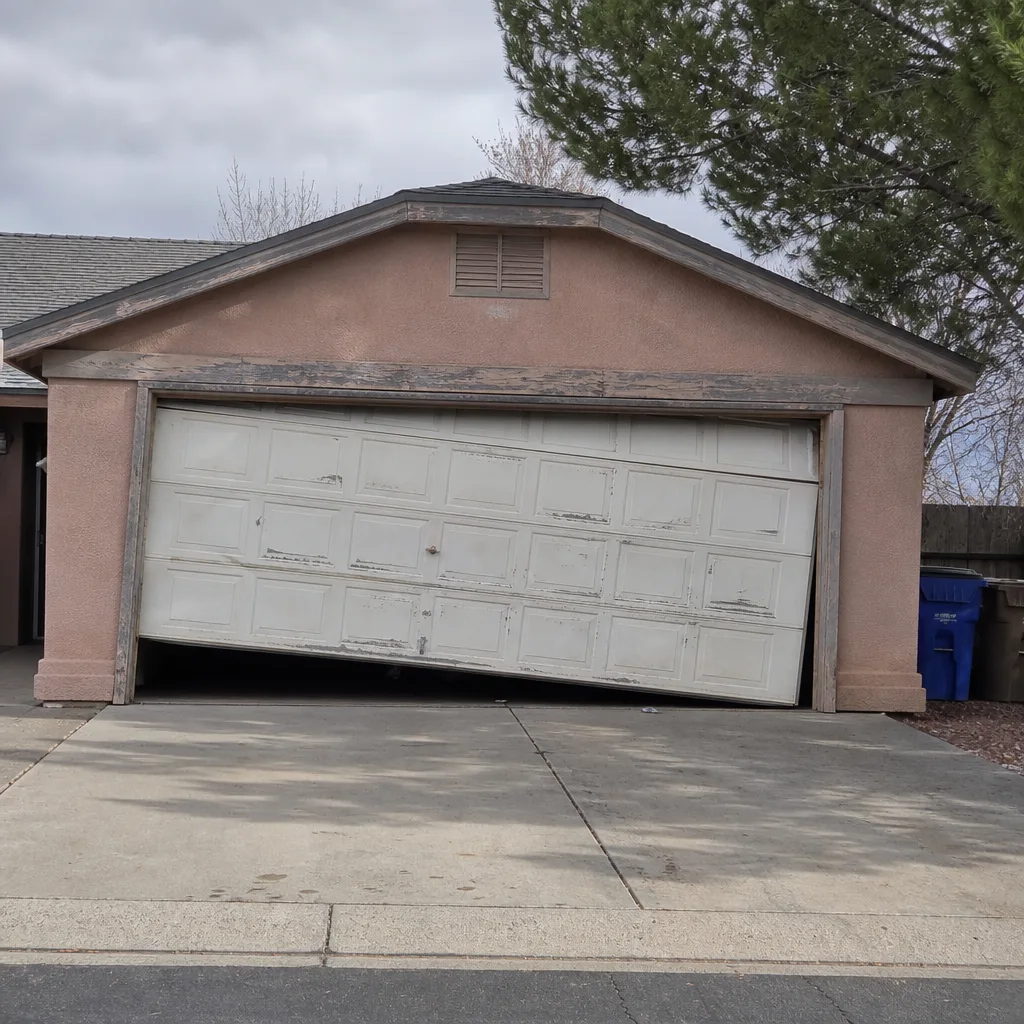
- A door that’s come off its track – a door hanging at an angle can fall. Keep people and cars clear.
- Bent or cracked hinges and rollers under load – these carry the door’s weight and need the right replacement parts.
- Any electrical fault inside the opener housing – logic boards and wiring are a technician’s job.
The rule of thumb: if the fix involves releasing or re-tensioning stored energy, it’s professional work. If it involves cleaning, resetting, or re-pairing, it’s yours to try. When a St. George door fails in a way that falls on the wrong side of that line, proper garage door repair starts with a real diagnosis rather than a parts swap.
What Each Noise Is Telling You
Garage doors are mechanical, so they make noise. The trick is knowing which sounds are normal operation and which are a component asking for help. In a dry climate like ours, sound travels cleanly and a failing bearing is easy to hear if you know what to listen for.
- A sharp bang at the start of opening: a torsion spring breaking or a cable snapping. Stop using the door and call for service.
- A steady grind that rises and falls with travel: worn or dry rollers, or grit in the track. Usually a maintenance fix.
- A squeal that only appears in the afternoon: heat-related binding in the track or a dry center bearing. Test in the cool morning to confirm.
- A rattle from the opener housing: a loose mounting bolt or a worn drive gear inside the unit.
- A click and no movement: the opener’s logic board or safety sensor circuit. Check the sensor LEDs first.
- A pop or snap at the very end of closing: the door hitting its travel limit too hard. Adjust the limit setting per the manual.
One useful habit: note when a noise started and whether it changes with temperature. That single detail tells a technician whether they’re chasing a worn part or a heat-expansion issue. It also tells you whether the fix is likely a quick adjustment or a replacement.
A Seasonal Troubleshooting Calendar for St. George
Garage doors fail on a schedule here, and it follows the heat. A little preventive attention at the right time of year saves most emergency calls.
Spring (before the heat builds)
This is the best time to check track alignment, tighten brackets, and inspect springs for wear. Cooler mornings make it easy to hear drag and binding that summer afternoon heat will hide under expansion. Run the door several times and listen. If it’s quiet now and loud in July, you’ll know it was a tolerance issue, not a failure.
Summer (the stress test)
This is when heat-expansion symptoms peak. Expect dust to build up faster if the wind is up, and expect the safety sensors to need more frequent cleaning. If a door passes a cool-morning test but grinds in the afternoon, adjust the tracks before calling anyone. If it grinds in both, the problem is real.
Fall (the reset)
Temperatures drop and the door’s geometry settles back. This is the ideal time to lubricate moving parts with the manufacturer-recommended product, re-check roller condition after a summer of abrasive dust, and confirm the safety reverse still works. Test the reverse by placing a roll of paper towels under the closing door – it should reverse on contact without crushing it.
Winter (the quiet check)
St. George winters are mild, but cold snaps still stress seals and opener limits. Check the bottom seal for cracking and confirm the opener’s travel limits haven’t drifted. A door that closes a quarter inch short of the floor or slams hard is a limit setting that needs a small adjustment.
This calendar isn’t a substitute for a professional inspection, but it catches the failures before they strand you. A St. George homeowner who does nothing else should at least run the cool-morning versus hot-afternoon test once a summer and clean the sensors whenever the door misbehaves.
Common Mistakes to Avoid
- Forcing the door when the springs are broken. Running the opener on a broken spring overloads the motor and can bend the door panels. Stop and call.
- Using household oil on the track. It attracts dust and turns into an abrasive paste in this climate. Use only what the manufacturer specifies for rollers and hinges.
- Adjusting the opener’s force settings to fix a heavy door. Cranking up the force doesn’t fix the balance problem – it just masks it until something fails louder and more expensively.
- Pulling the release cord with the door open. A door that disconnects while raised can drop hard. Always close it first.
- Blaming the opener for a dust-covered sensor. Before you assume the logic board failed, wipe both sensor lenses and check for webs. This is the single most common misdiagnosis we hear about.
- Assuming the loud summer scrape means the door is destroyed. In St. George, afternoon grinding that disappears by morning is heat expansion. Test before you panic.
- Ignoring a slack cable. A cable off its drum is not a cosmetic issue. It’s stored energy about to move. Keep clear and call a specialist.
Each of these mistakes shares a root: treating a symptom as a diagnosis. The fix is to observe the failure, then match it to the system it belongs to. Craftsman and other common openers in St. George homes all have their own quirks and factory-tuned limits, and knowing your brand’s specifics is why a specialist can tell you whether a symptom is a genuine failure or just a setting that drifted.
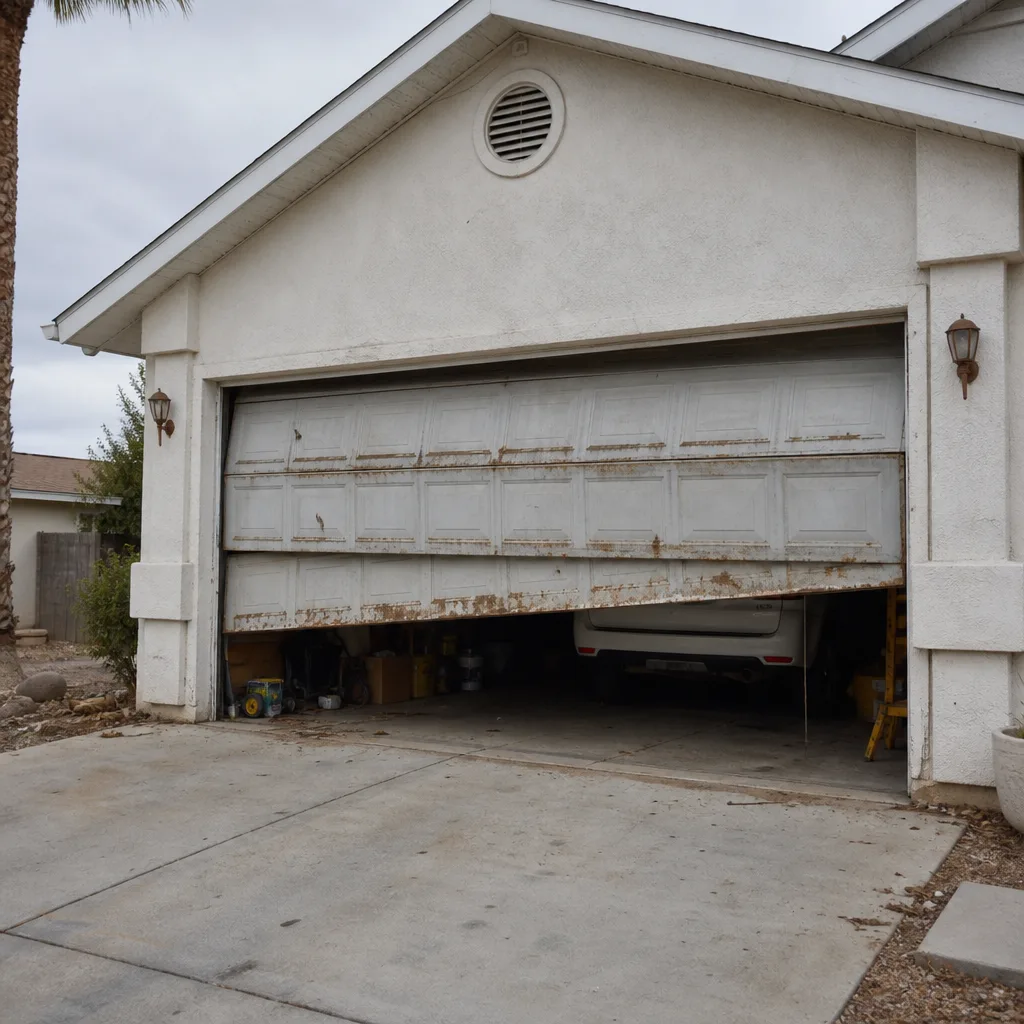
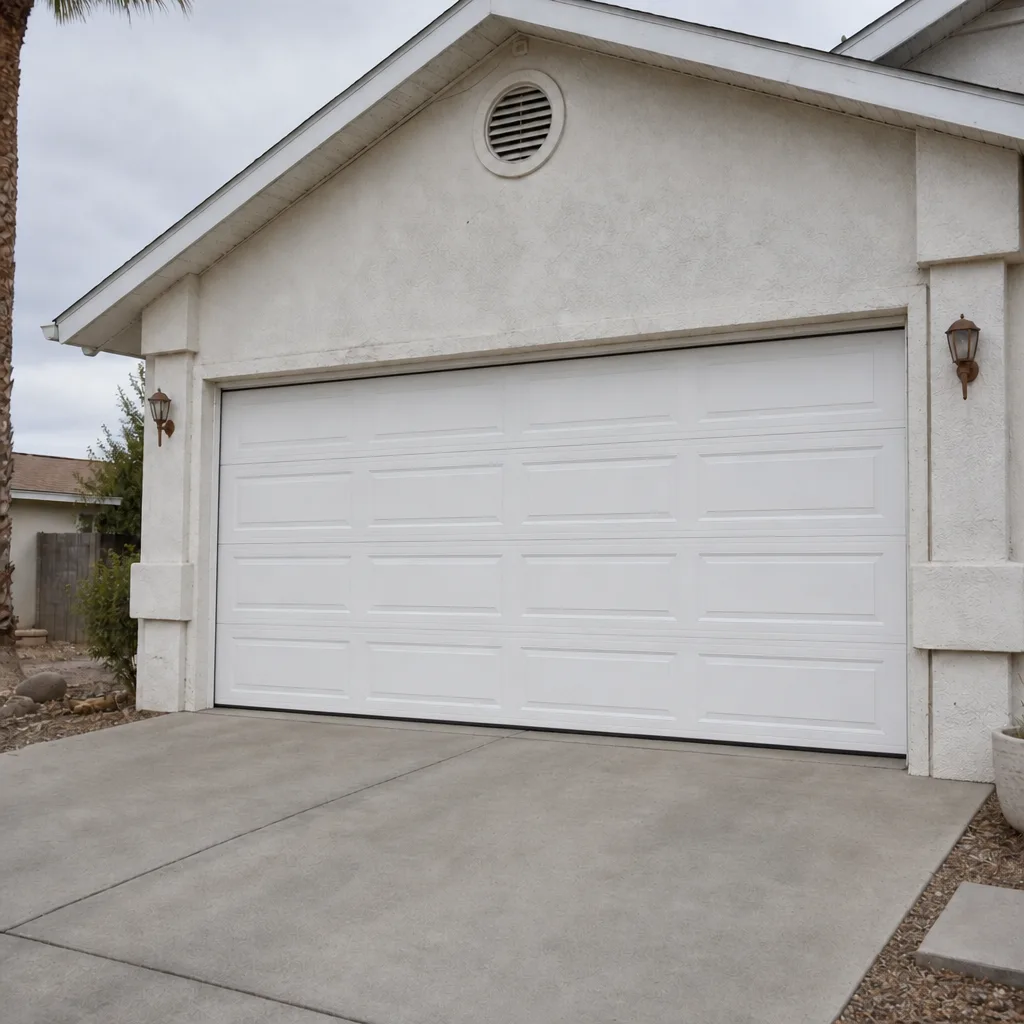
See the difference
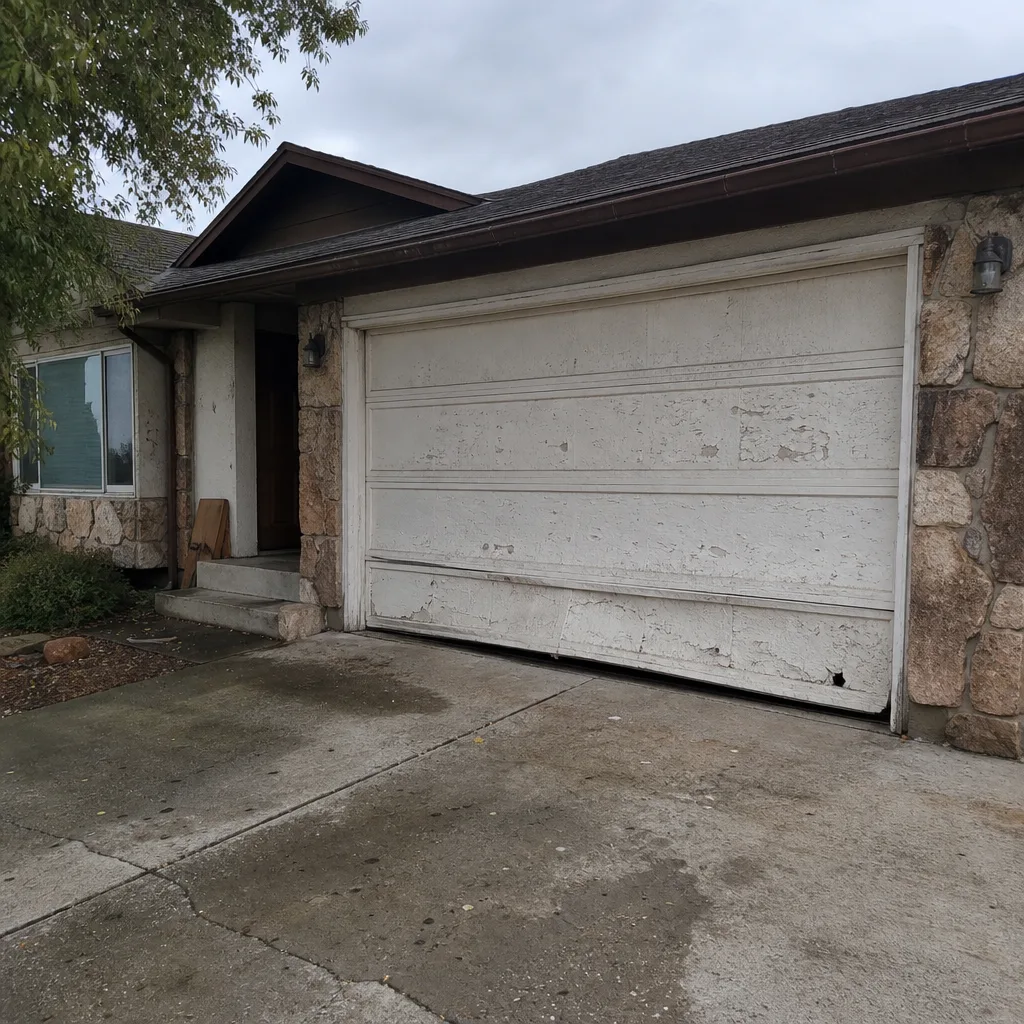 Before
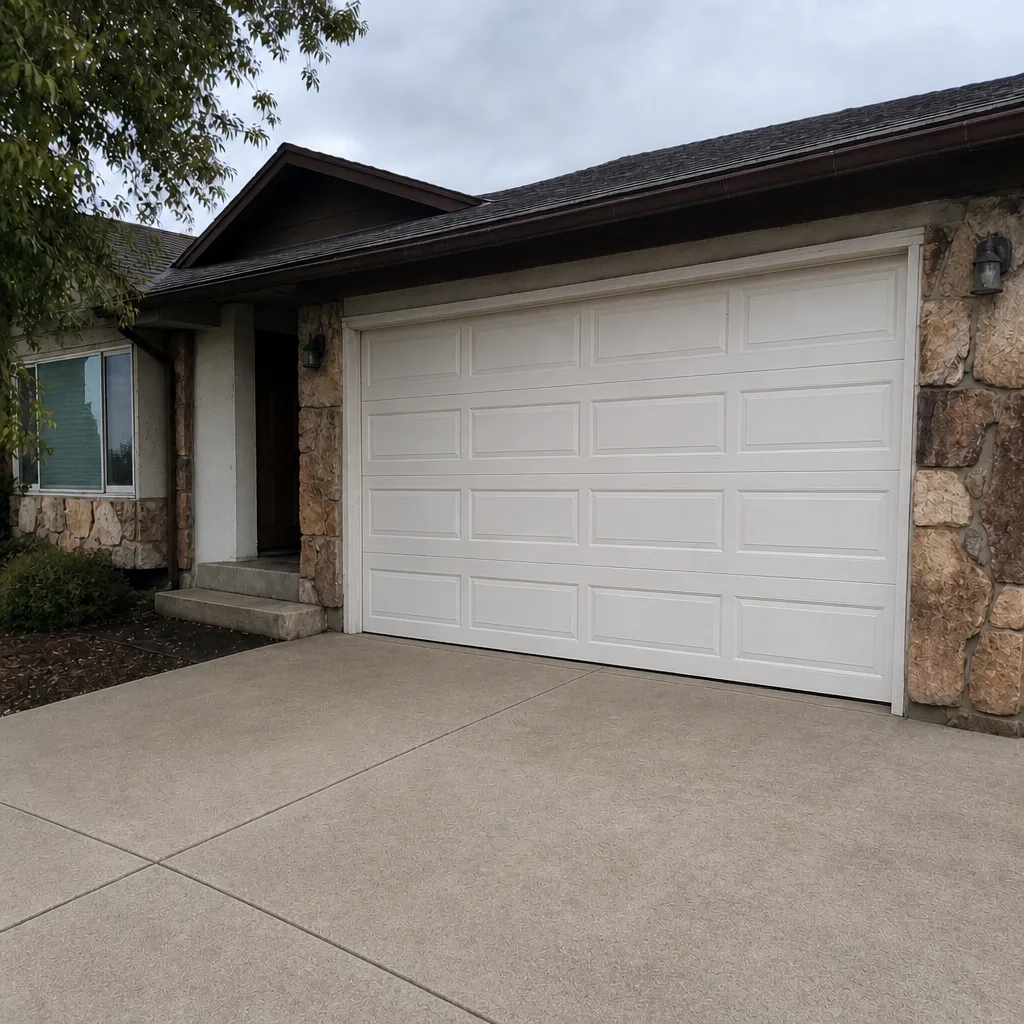 After
 Before
 After
 Before
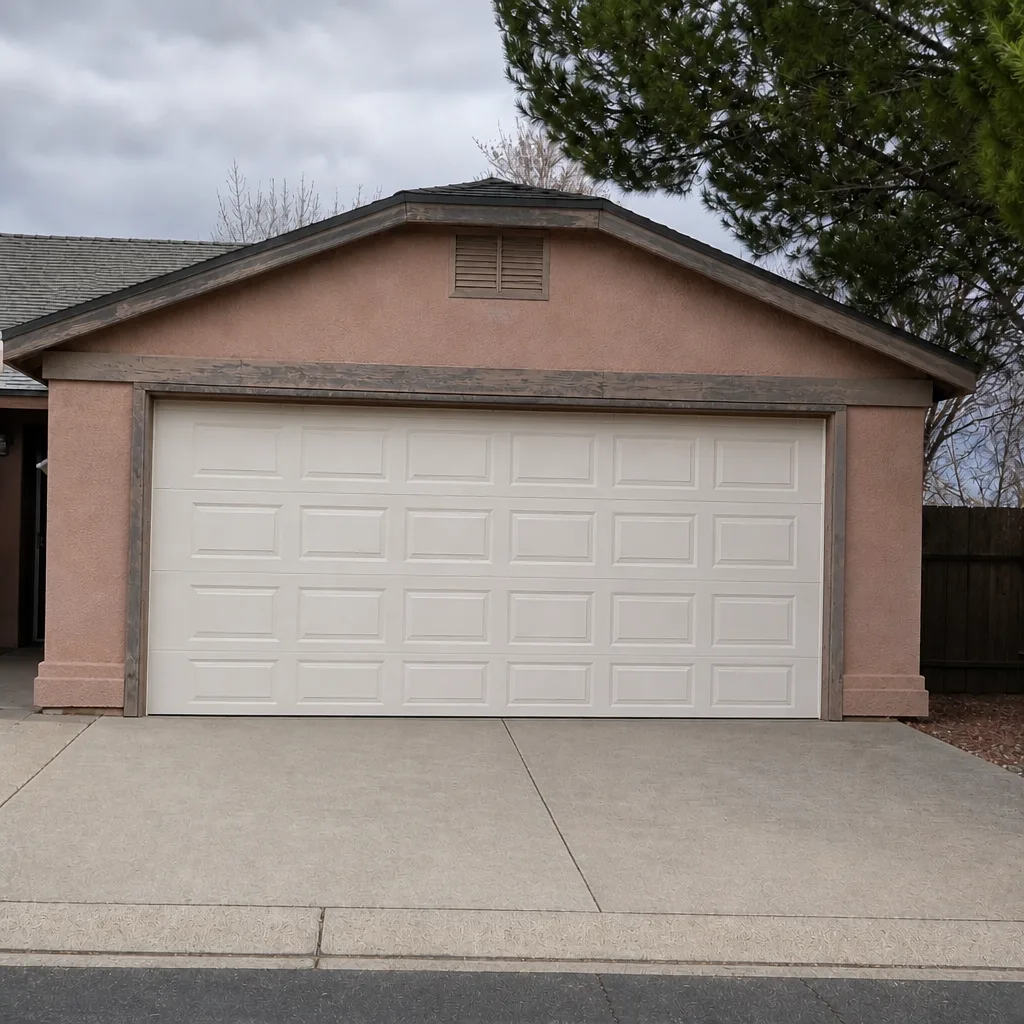 After
When to Call a Professional
Call a specialist when the failure involves stored energy – broken torsion springs, slack or tangled cables, doors off their track – or when you’ve done the safe resets and the problem persists. Call immediately if you hear a sharp bang, if the door hangs at an angle, or if the opener hums but the door won’t move after a manual disconnect test. Don’t wait out a broken spring hoping it will hold; a door operating on one spring loads the remaining one and hastens the next failure. If you’ve cleared the sensors, wiped the tracks, and tested the balance by hand and the door still misbehaves, it’s time for a proper diagnosis rather than a guess. Rosemont Garage Door Service offers free estimates in St. George – call (866) 389-3687. We answer 24/7. Fast dispatch from 7am to 7pm, Sunday through Friday.
Frequently Asked Questions
Yes, most repair problems can be handled same day, and that includes a broken spring, a fouled sensor, or a door that won’t respond to its opener. The exception is anything that requires ordering a part that isn’t commonly available for your brand, which we’ll tell you up front. Call (866) 389-3687. We answer 24/7. Fast dispatch from 7am to 7pm, Sunday through Friday.
Typical repairs in St. George run in the range of a service call plus parts, and the price depends on the system involved – a sensor cleaning or travel-limit reset sits at the low end, a torsion spring replacement toward the middle, and a door-off-track correction or cable repair higher. The written estimate sets the final price, and you’ll get it before any work begins. Call (866) 389-3687 for an exact quote – estimates are free.
No. The written estimate you approve before any work starts is the price, and it doesn’t change after the fact. If a technician finds a second issue while on-site, they’ll show you and quote it before touching it, so nothing is performed without your approval. Call (866) 389-3687 for a free estimate.
Yes, the professionals we connect you with are state-licensed, insured and bonded, and they work on the specific brands they service. Brand familiarity matters for things like correct spring tension on an Amarr or Wayne Dalton door. Call (866) 389-3687 to ask about your system. We answer 24/7. Fast dispatch from 7am to 7pm, Sunday through Friday.
That’s almost certainly heat expansion. Metal tracks and panels grow in the afternoon sun and can shift alignment by a quarter inch, which tightens the roller clearances and causes binding. In St. George, where the sun beats down most of the year, this is one of the most common complaints we hear. Test the door in the cool morning first – if it’s quiet then, it needs an adjustment, not a replacement.
A broken torsion spring and a cable off its drum are the two problems you should never attempt yourself. Both store enormous energy under tension, and releasing that energy incorrectly can cause serious injury. If you see a gap in the spring coil, hear a bang, or spot a slack cable, close the door, keep clear, and call for a trained technician. Call (866) 389-3687 for service.
The Bottom Line
Garage door troubleshooting in St. George starts with knowing what the failure is telling you. Heat expansion produces symptoms that vanish by morning – test before you panic. Dry desert dust wears rollers and blinds sensors – clean before you blame the opener. Spring and cable failures are real emergencies – stop and call a professional. Read the cycle, listen to where the noise changes, and use the manual disconnect cord to sort mechanical from electrical. Those three habits will save you a service call on the easy stuff and get you help fast on the dangerous stuff. The best guide to garage door repair in St. George is a well-trained ear, not a guess. Call (866) 389-3687 for a free estimate – estimates are free. We answer 24/7. Fast dispatch from 7am to 7pm, Sunday through Friday.
Written by the team at Rosemont Garage Door Service.