
Last updated November 16, 2026
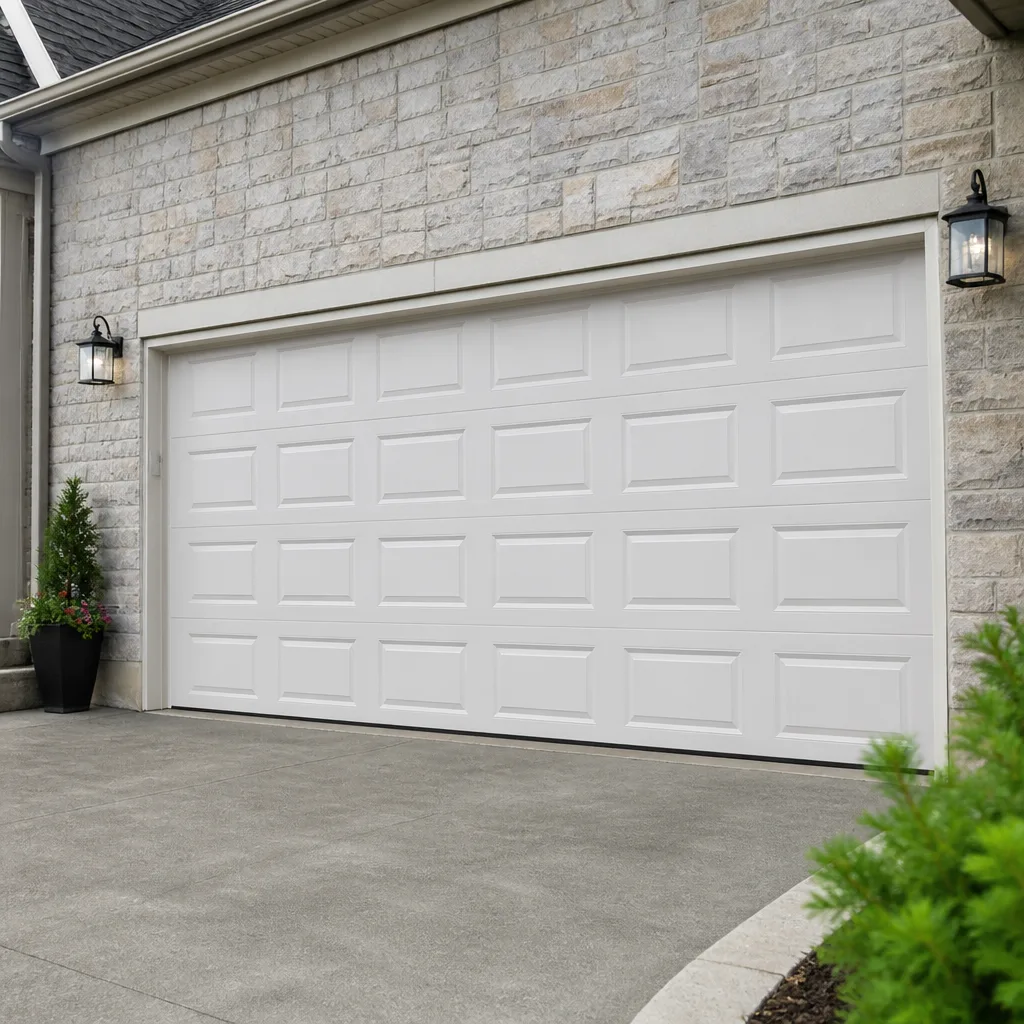 Raised-panel steel
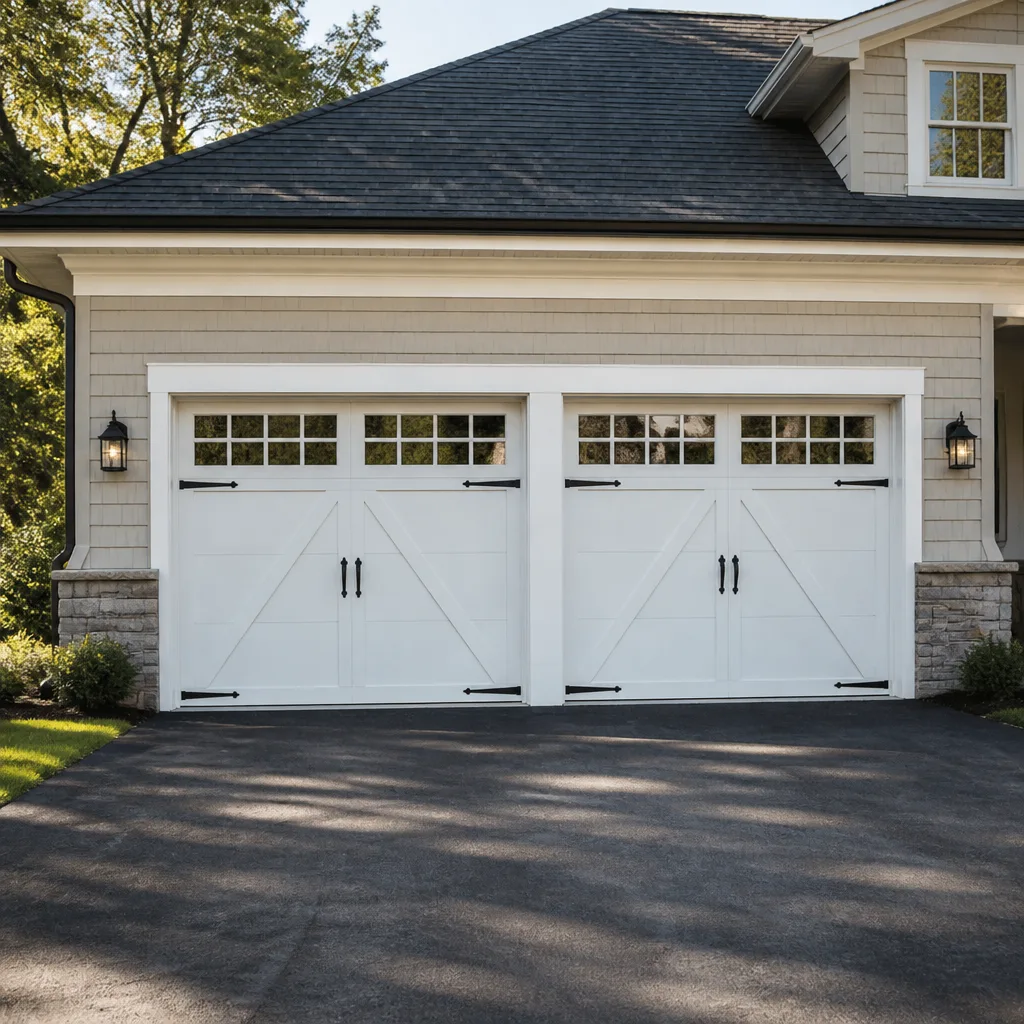 Carriage house
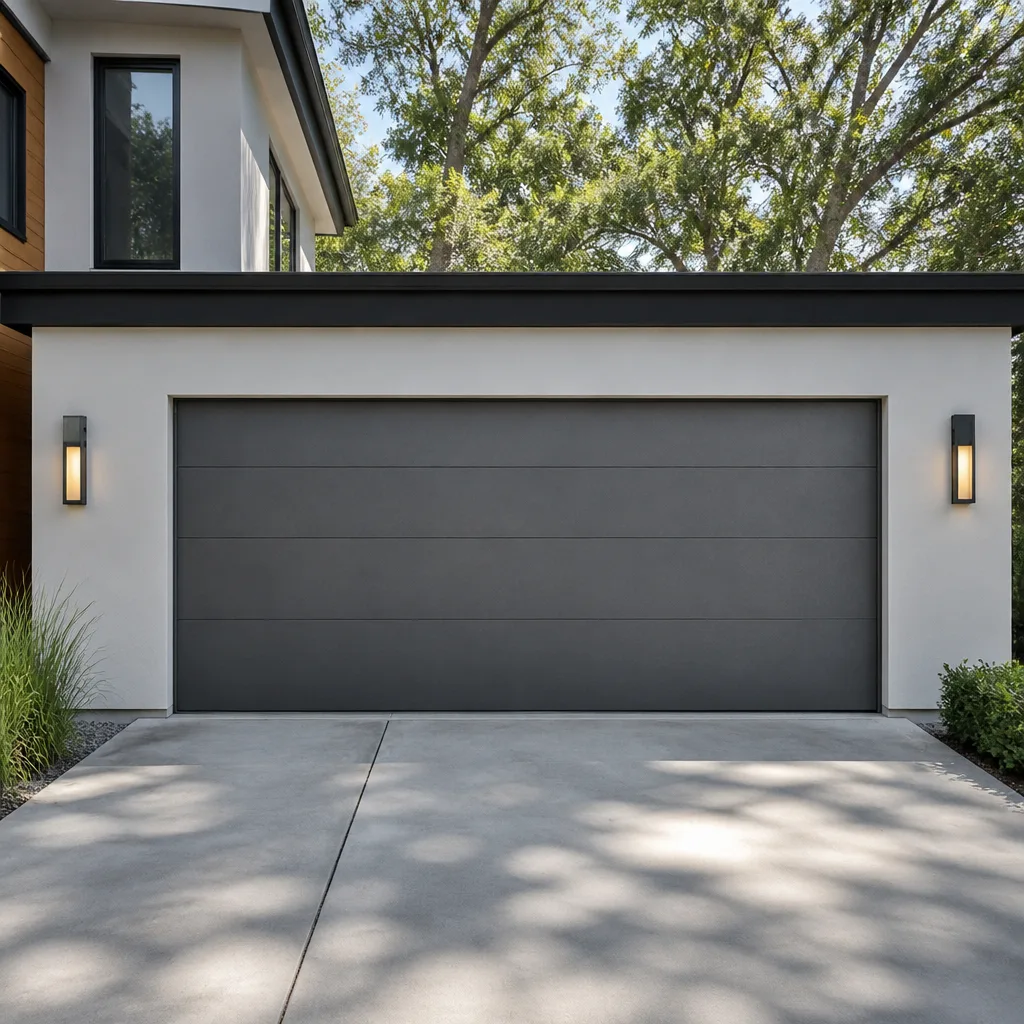 Modern flush
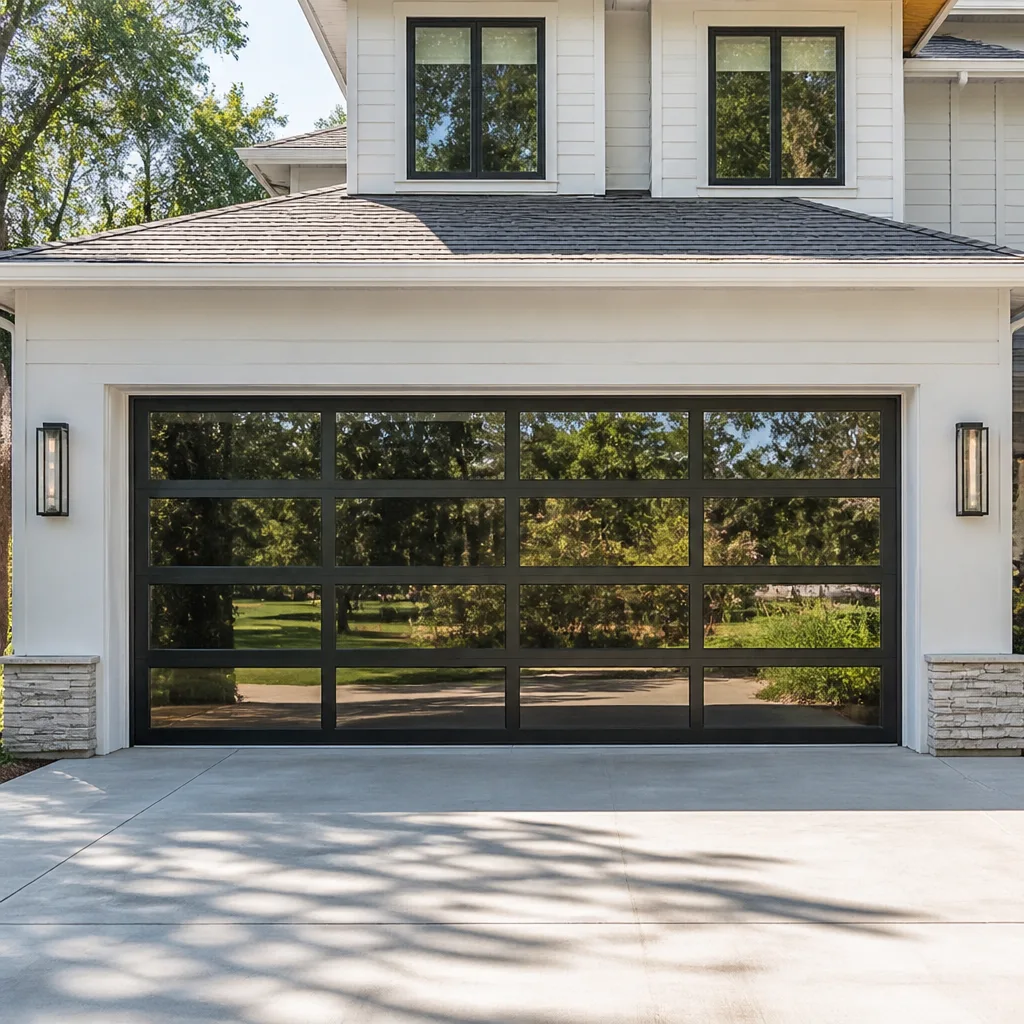 Full-view glass
 LiftMaster openers
 Chamberlain openers
Full 25-point door and opener safety check with every visit - springs, cables, rollers, tracks, and your LiftMaster or Chamberlain opener included
You get a price before we start. It does not change when the pro arrives.
Get your free estimateGarage Door Warning Signs: A St. George Homeowner’s Reference Guide
A door that hesitates for half a second before it opens is not the same problem as a door that reverses unexpectedly on the way down. Most symptom lists treat both as equally urgent, which is no help at 7 a.m. when you’re already late. This guide sorts warning signs into three tiers: monitor, schedule service, and stop using the door right now. You’ll learn which noise belongs in which tier, what a failing cable looks like before it snaps, why a door that “works fine most of the time” still belongs on the urgent list, and how to safely operate a stuck door while you wait for help in St. George.
Quick Answer
Garage door warning signs fall into three tiers. Cosmetic or minor symptoms – a slight squeak, a light rattle, a slow-rolling door – are safe to monitor. Symptoms that need scheduled service soon include grinding, jerking, uneven travel, and a door that reverses occasionally. Stop using the door entirely if you see a frayed cable, a bent or broken spring, a door hanging crooked, or a door that closes on its own. When in doubt, call a specialist before you cycle the door again.
Styles & brands we work with
- Raised-panel steel
- Carriage house
- Modern flush
- Full-view glass
- LiftMaster openers
- Chamberlain openers
Table of Contents
- The Three-Tier Triage System
- Tier 1: Monitor These Symptoms
- Tier 2: Schedule Service Soon
- Tier 3: Stop Using the Door Now
- What St. George Heat Does to a Garage Door
- How to Spot a Cable That’s About to Fail
- Why an Occasional Reversal Is Never a Quirk
- Operating a Door Manually While You Wait
- Frequently Asked Questions
The Three-Tier Triage System
Most garage door symptom guides give you a long list and no sense of priority. That’s the gap this guide closes. A symptom’s urgency depends on three things: whether it’s mechanical or cosmetic, whether it’s intermittent or consistent, and whether it involves the parts that hold the door’s weight. Springs and cables, safety sensors, and the door’s balance point are the three areas where a small symptom can turn into a hazardous failure without much warning.
Here’s how we sort every symptom we hear about from homeowners in St. George:
- Tier 1 – Monitor: Noises or movements that suggest wear but not imminent failure. Safe to watch for a week or two, but note what you’re seeing.
- Tier 2 – Schedule service: Symptoms that indicate a component is degrading. The door still opens, but it’s telling you something is failing. Book a technician within days, not weeks.
- Tier 3 – Stop using the door: The door is a hazard. Do not cycle it again until a specialist inspects it. This applies to springs, cables, and the door’s balance.
The point isn’t to make you nervous about every squeak. It’s to give you a clear line: things you can wait on, things you should get on the calendar, and things that warrant leaving the door where it is until help arrives. The rest of this guide walks through each tier symptom by symptom.
Tier 1: Monitor These Symptoms
Tier 1 symptoms are the ones that rarely signal imminent failure. They’re still worth noticing, because a monitoring habit catches Tier 2 problems early. What separates a Tier 1 noise from a Tier 2 grind is consistency: a single rattle that shows up once and disappears is usually nothing. A grind that happens at the same point of travel every time is the door telling you something.
Common Tier 1 symptoms:
- A light squeak or squeal that comes and goes with temperature.
- A slow-rolling door that otherwise opens and closes evenly.
- Faint rattling at the top of the run, especially on a Clopay or Amarr steel door when it’s warm out.
- An opener that runs slightly louder than it used to but still moves the door consistently.
- A door that starts a touch heavier in cool morning air than it does at midday.
What to do with a Tier 1 symptom: check it once a week for two weeks. Walk around the door while it’s moving and listen. Feel the door panel with one hand while it’s stopped – if it wobbles when you push gently, that’s drift toward Tier 2. If the symptom disappears entirely, you can keep monitoring. If it grows louder, more frequent, or you start to feel vibration in the wall next to the door, upgrade the classification and call for service.
Our technicians have up to 13 years of experience and can tell a normal moisture squeak from a bearing problem in a two-minute inspection. The cost of an inspection on a monitored symptom is small compared to a surprise breakdown on a morning when you need the door to work.
Tier 2: Schedule Service Soon
Tier 2 symptoms mean the door still functions but a component is losing ground. These are the problems that quietly get worse and then surprise you at the worst possible moment. For most homeowners in St. George, Tier 2 is where you want to make a call rather than wait for the door to fail.
Symptoms to schedule a service call for:
- Grinding or scraping that repeats at the same point of travel. Usually a roller, a hinge, or the door rubbing the track. Book a technician to check the roller stack and track alignment.
- The door jerks or stutters while opening. Suggests uneven tension, a worn roller, or an opener working harder than it should.
- Uneven travel – the door rises higher on one side. Something in the track or the spring pair is out of balance. Safe to cycle a few more times, but not indefinitely.
- A door that reverses occasionally on the way down but works most of the time. This one jumps into the urgent tier with purpose. See the safety sensor section below.
- The opener runs but the door doesn’t move. A stripped gear, a snapped coupler, or a disconnected shuttle – all problems our garage door opener repair diagnoses rather than replacing on a guess.
- A single spring has snapped in a pair. The second spring is now carrying double load. Stop-and-replace, not stop-and-wait.
Tier 2 calls are the ones our shop schedules same-day whenever possible. Free estimates apply to every service call, and the price is quoted and agreed before any work starts. When the answer is a repair, we repair. When the answer is a replacement, we say so plainly and walk you through why.
Tier 3: Stop Using the Door Now
Tier 3 symptoms mean the door is a hazard. Do not cycle it again until a specialist inspects it. This is where the triage system earns its keep – the symptoms in this list are the ones where continuing to operate the door can turn a repair into a serious injury or a much larger job.
Symptoms that belong in Tier 3:
- A visible fray or broken strand on either cable.
- A spring that’s visibly broken, hanging, or has separated from its anchor.
- A door hanging crooked even when it’s stopped.
- The door closing on its own or dropping when you try to raise it manually.
- Loud bangs or snaps that came from the door and were followed by the door becoming very heavy.
- A door that falls out of the track.
- A door the opener can still lift but you can barely move by hand.
The common thread: any Tier 3 symptom involves the parts that hold the door’s weight, or the balance mechanism that lets an opener lift hundreds of pounds with a small motor. Springs, cables, drums, and the bottom brackets work under high tension. A door that has lost balance or has a compromised cable can come down suddenly or fly up when the tension releases.
If you see any of these in St. George, leave the door closed, put the opener on manual only if you can do so without touching the door, and call us. We answer 24/7, and a Tier 3 call is bookable into the next opening, Sunday through Friday, 7am to 7pm. Our garage door repair team treats Tier 3 cases as priority inspections – not because we’d replace a door that can be repaired, but because a hazard needs to be made safe before a diagnosis of the repair.
What St. George Heat Does to a Garage Door
Garage doors in St. George live with more heat and more temperature swing than a door in a milder climate. A garage that faces west can run significantly hotter than the outside air by late afternoon, and a steel door absorbs that heat and expands. That expansion is why the same door can sound noticeably different at noon than it does at 6 a.m. Most of what homeowners here hear in the warmer months is expected thermal movement, not a failure – but the boundary between expected and concerning is worth understanding.
How to tell normal heat creaking from a binding track – by time of day:
- Normal heat creaking: A popping or ticking sound in the first hour after the sun hits the door, then quieter. Fades entirely in the evening. Doesn’t change how the door travels.
- Binding track: A scrape or grind that happens at the same point of travel every cycle, not just at peak heat. Gets noticeably worse during the warmest part of the day but doesn’t go away when the door cools.
- Thermal expansion noise in the framing: A single pop from the wall or frame near the door, once per morning and once per evening. Stops completely if you don’t move the door.
If it’s creaking that follows the sun and doesn’t change how the door runs, that’s cosmetic and safe to monitor. If you can feel a vibration in your hand on the door while it moves, or if the noise happens at the same point in the cycle regardless of time, that’s a binding track or a roller problem and belongs in Tier 2.
Our technicians here in St. George listen for that difference by running the door through a full cycle in the afternoon and again in the cooler part of the day. It’s an easy thing to test – and it’s specific to desert-climate doors in a way a general handyman won’t spot.
How to Spot a Cable That’s About to Fail
The most dangerous Tier 3 symptom is a failing cable, and it’s the one homeowners most often miss because it looks minor right up until it isn’t. A garage door has two cables, one on each side, running from the bottom bracket up the side of the door to the drum above. They work under tension and they carry the safety load if a spring fails.
The visual test for a fraying cable – without touching it:
- Stand to the side of the door. Never put your hand near a cable while the door is in motion.
- Look at the cable from the bottom corner up. A healthy cable is a single smooth strand, evenly coated, running in a clean line.
- A cable about to fail will show one of these: broken wire ends sticking out of the bundle, a kink where the cable doubles back, a visible stretch mark or a thinning section that looks pinched, or rust showing through the coating.
- Look at the drum above the door. If the cable looks like it’s climbing over itself instead of spooling evenly, stop and call.
- Look at the bottom bracket. If it’s bent, cracked, or separating from the door, that’s a Tier 3 symptom even if the cable looks fine above it.
If you see any of those signs, classify the door as Tier 3 and stop cycling it. A snapped cable releases the tension on that side of the door with a loud report, and the door can drop unevenly. That’s the moment safety matters most – and it’s the moment to stop, not to try one more cycle to see if it’s really a problem.
Our Rosemont Garage Door Service team inspects every cable on a service call, not just the one that’s acting up. A Wayne Dalton door that’s showing cable fray on one side usually has matching wear on the other, and we’d rather catch both on one visit than book two separate trips.
Why an Occasional Reversal Is Never a Quirk
A door that “works fine most of the time” but reverses occasionally on the way down is almost always a safety sensor problem – and safety sensors are on the urgent list by design. Since safety sensors became standard, every reversing mechanism is there for one reason: to stop the door from closing on a person, a pet, or an object. An intermittent sensor is a sensor that periodically stops doing that job.
The most common causes of an occasional reversal:
- Misaligned safety sensors on either side of the door – dust or debris in the lens, or one that got bumped.
- A sun-exposed sensor lens – common in St. George where a west-facing sensor gets direct light for part of the afternoon.
- Wiring that’s vibed loose at the sensor or at the opener’s terminals.
- A logic board in the opener that’s interpreting sensor signals inconsistently. Genie and LiftMaster units both have diagnostic lights that help here.
- Travel limit settings that have drifted past the point where the safety reverse triggers cleanly.
Why an intermittent reversal stays on the urgent list: a door that reverses once is a door that failed to close safely once. Every cycle the sensor fails to detect, the door comes down. The one time you need the sensor to work is the one time it can’t be intermittent. This isn’t a “keep an eye on it” problem – it’s a book a call this week problem. Our opener team isolates sensor issues and fixes them; we don’t default to a whole unit replacement on a symptom that has a specific, correctable cause.
Operating a Door Manually While You Wait
A stuck door in St. George after you’ve called for service presents a practical question: what do you do between now and the technician’s arrival? For most Tier 2 situations, the answer is careful manual operation. For most Tier 3 situations, the answer is don’t touch it.
The safe manual procedure in a Tier 2 situation:
- Clear the door’s path. Move cars, kids’ bikes, and anything the door could hit if it travels unexpectedly.
- Locate the manual release – usually a red T-handle on a cord hanging from the opener’s rail.
- With the door fully closed, pull the release straight down. Do not pull it while the door is partway up.
- Lift the door by hand slowly to check balance. A balanced door will stay at the halfway point on its own. A door that falls or races up is now a Tier 3 problem – stop.
- Open and close the door by hand at a slow, controlled pace. Don’t let it slam. Don’t force it if it binds.
- Before you re-engage the opener, close the door fully and pull the release handle back to the engaged position.
The one scenario where you should not operate the door manually under any circumstances: when the door is hanging crooked, when a cable is visibly compromised, or when you can see a broken spring. In those cases, the door’s weight is no longer being controlled by the balance mechanism, and lifting it by hand can cause it to fall or fly up. Leave it closed. Prop nothing against it. Call for service and stay clear.
If your opener is fine but the door is stuck, or if the door moves smoothly by hand but the opener won’t move it, the issue is likely on the opener side – that’s a different triage path, and our opener repair team handles it with the same free estimate.
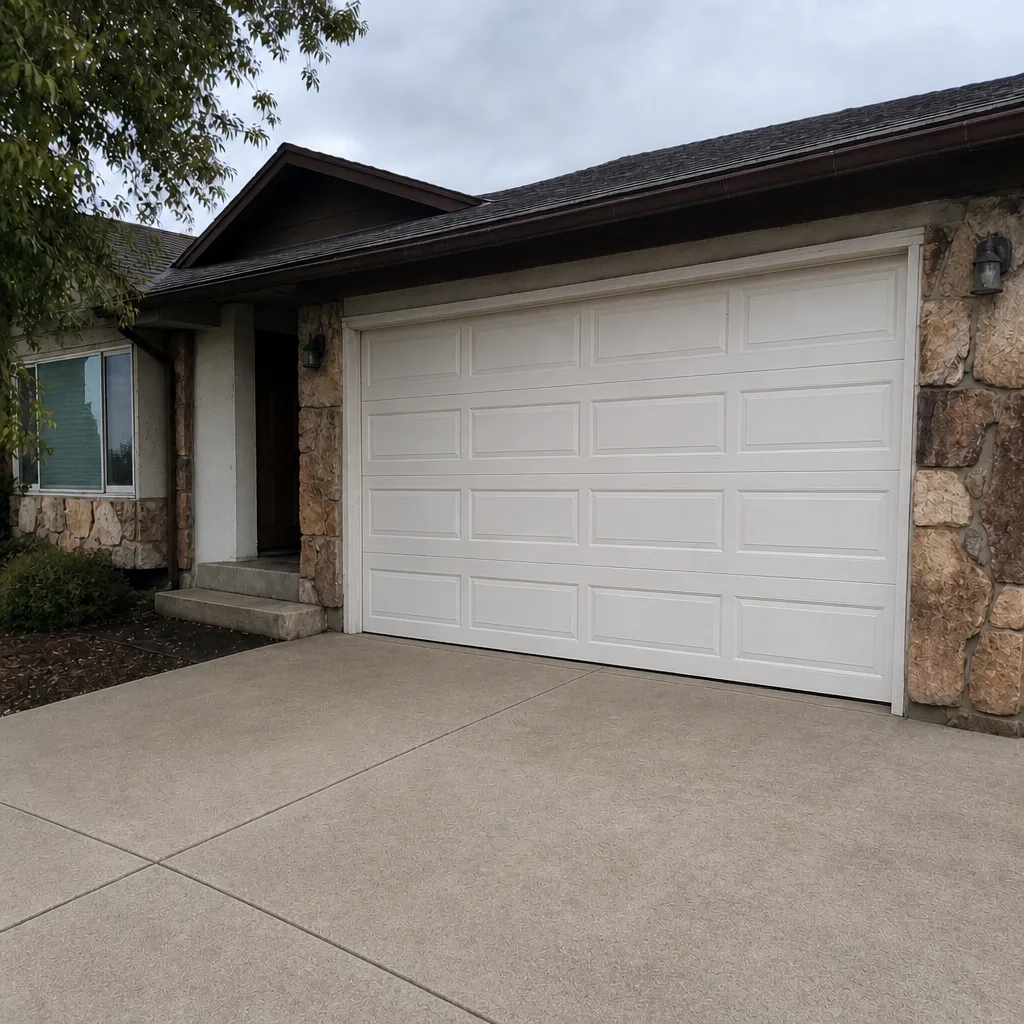
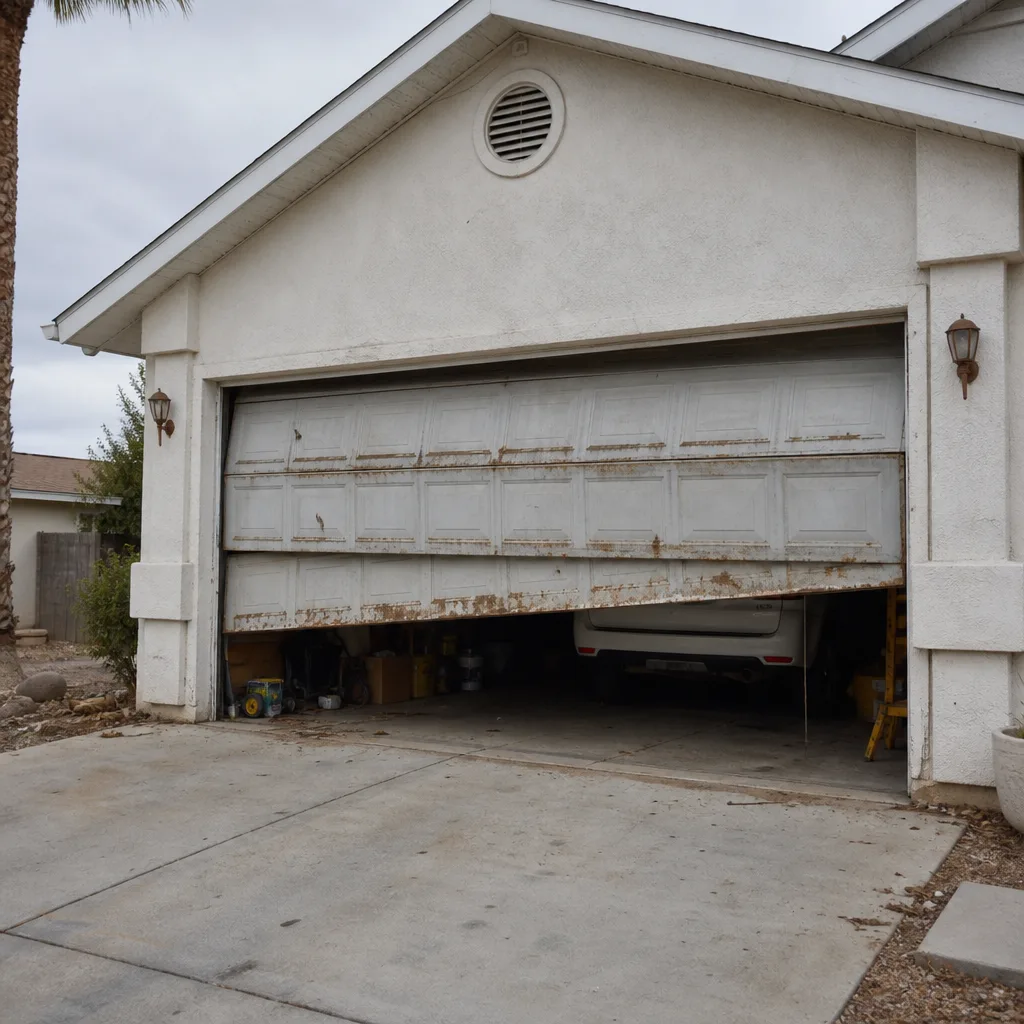
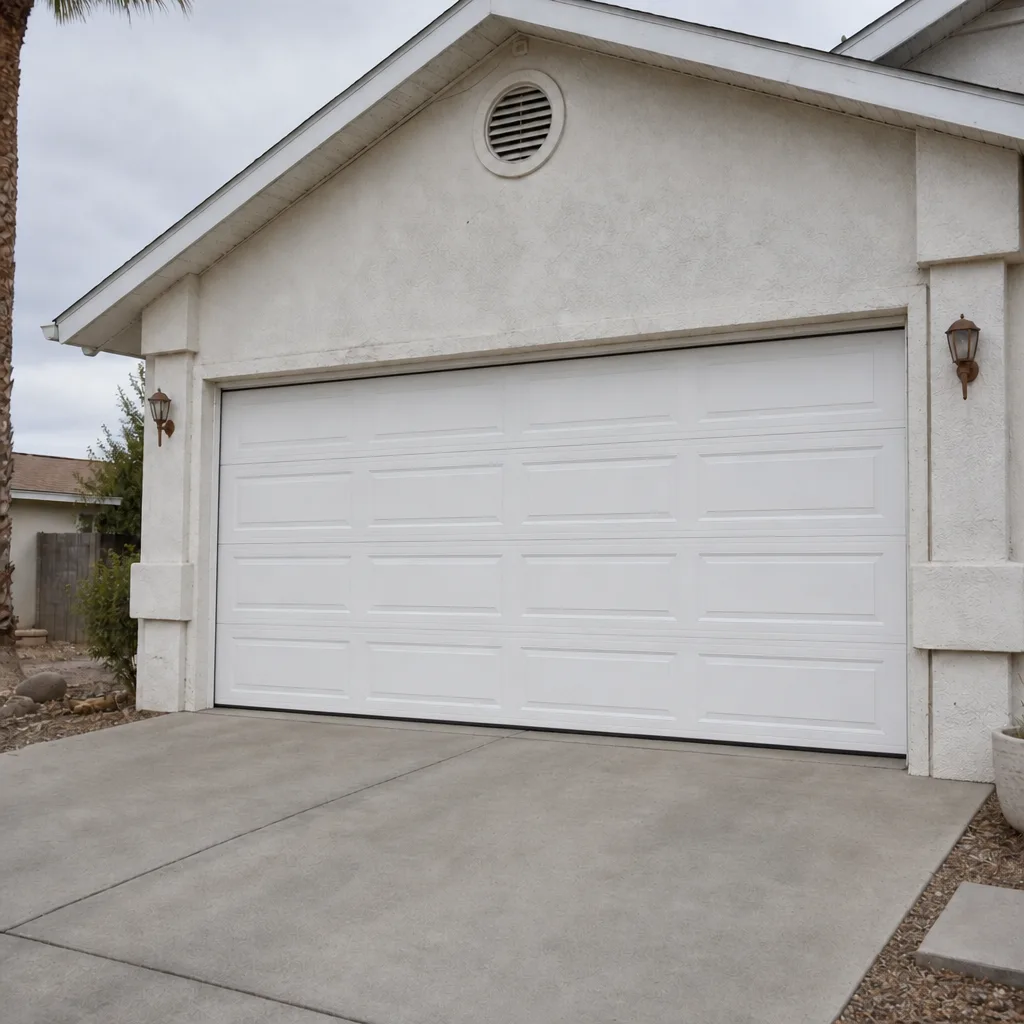
See the difference
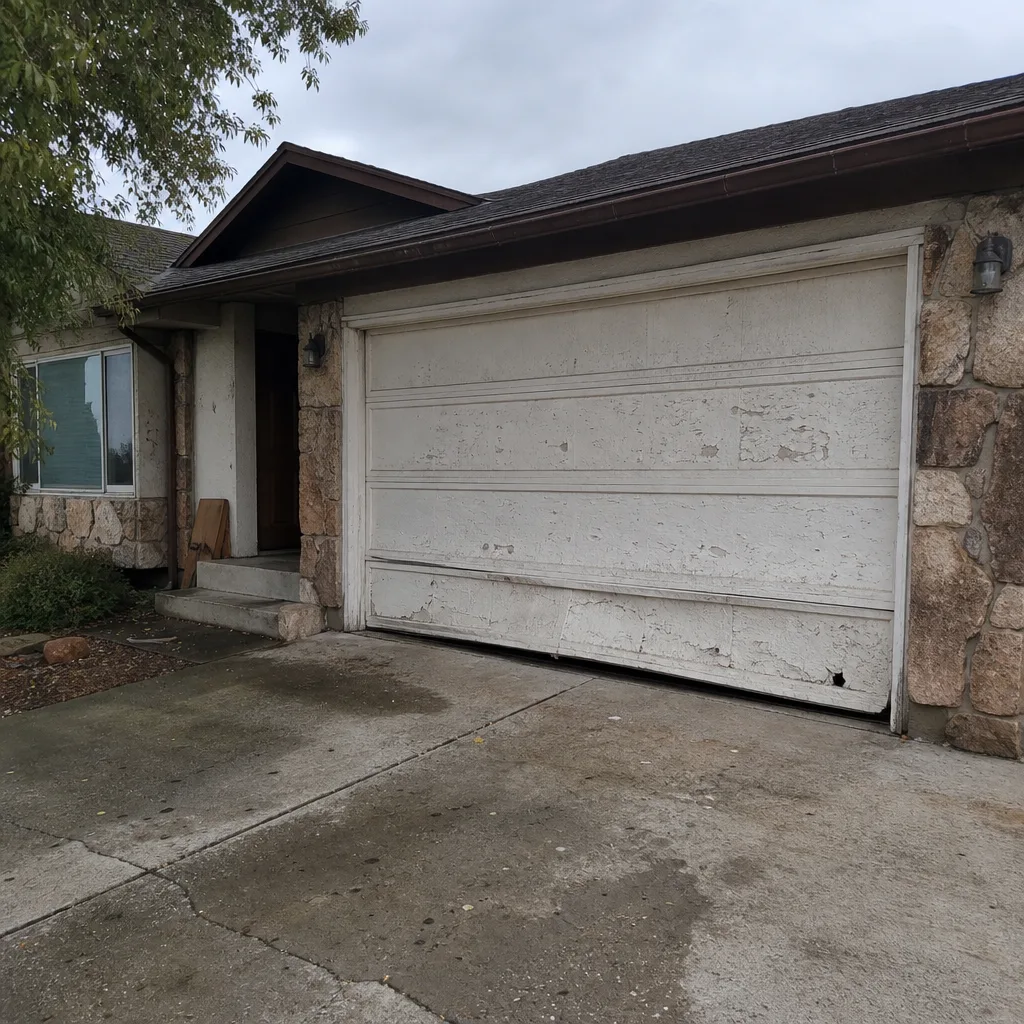 Before
 After
 Before
 After
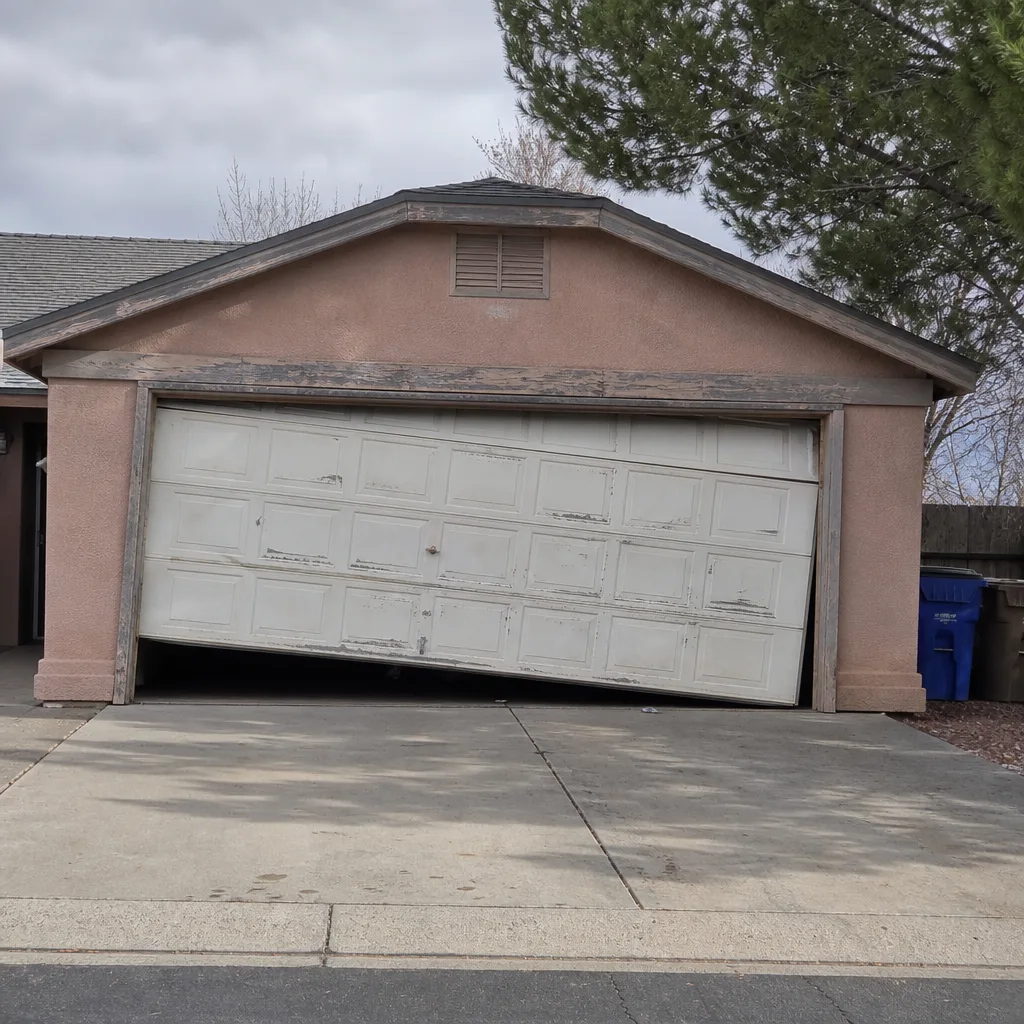 Before
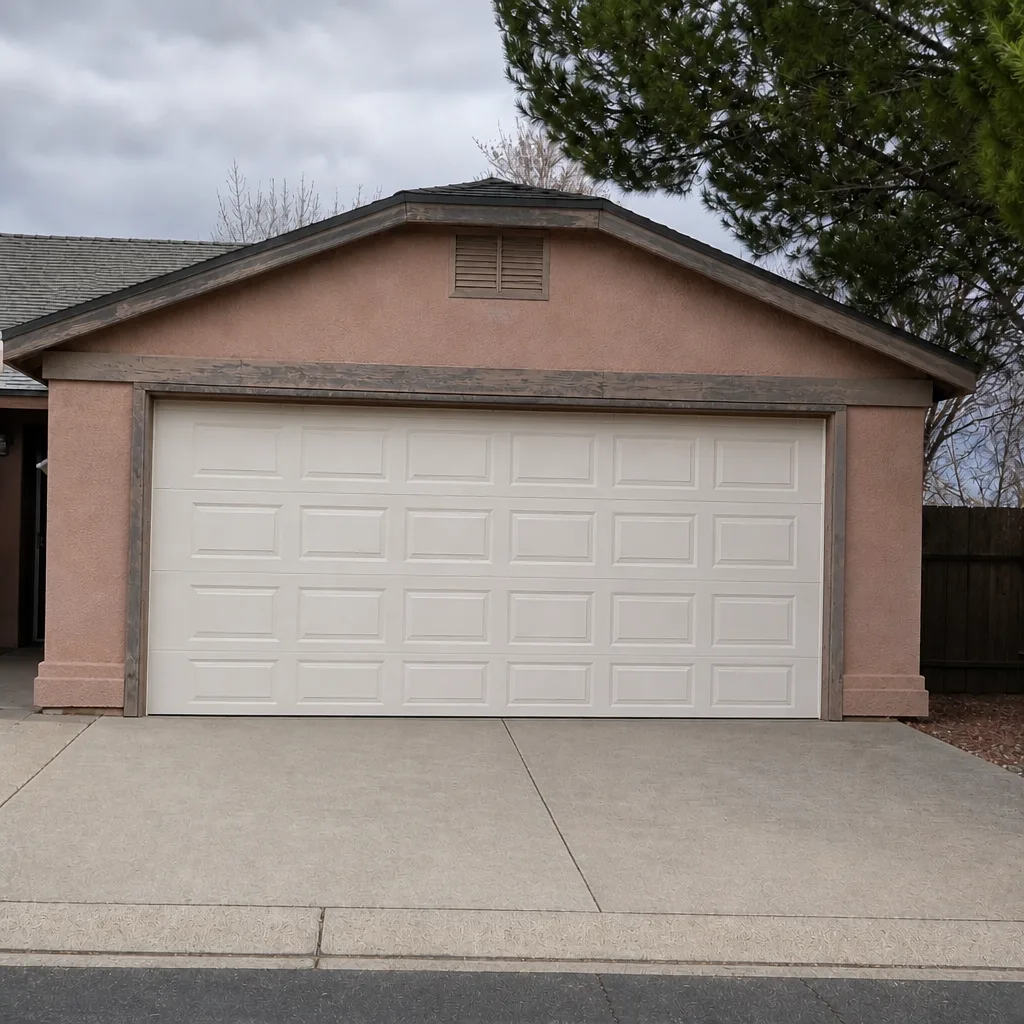 After
Common Mistakes to Avoid
- Running the door again “to see if it does it.” On a Tier 3 symptom, that’s the exact cycle that turns a repair into a fall. If you’ve already classified it as Tier 3, believe your own classification.
- Treating an occasional reversal as a quirk. Intermittent safety sensor behavior is a safety problem. It doesn’t self-heal, and it doesn’t get safer with time.
- Lubricating a grinding track instead of checking alignment. Spray lube quiets a symptom for a week and hides the real problem. A grind at a specific point of travel is an alignment or roller issue.
- Assuming heat noise is always normal. Desert heat does cause real thermal noise, but a scrape that happens at the same point of travel in any weather is a binding track. Test it by time of day before you decide.
- Pulling the manual release while the door is up. That’s how a door comes down unexpectedly under load. Use the manual release only when the door is fully closed.
- Replacing an opener before checking the sensors. A high percentage of “opener problems” in St. George homes are sensor alignment, dirty lenses, or loose terminal wiring. Diagnose first, replace only if needed.
- Letting a single spring failure wait. If a matched pair carries one broken spring, the second is now overloaded. Book the replacement before the second one goes, not after.
When to Call a Professional
Call a professional when any symptom falls into Tier 2 or Tier 3, when you can’t confidently classify a symptom yourself, or when the door has been making the same noise for more than two weeks without improving. Tier 3 symptoms – frayed cable, broken spring, crooked door, door closing on its own – are always a call, not a monitor. Tier 2 symptoms – a repeating grind, uneven travel, an occasional reversal, an opener that won’t move the door – should be on the calendar within days. Springs and cables are under high tension and call for a trained technician; the safety sensors tie directly to whether the door stops for a child or a pet.
Rosemont Garage Door Service offers free estimates in St. George – call (866) 389-3687. We answer 24/7. Fast dispatch from 7am to 7pm, Sunday through Friday.
Frequently Asked Questions
Hesitation before opening is usually a Tier 1 or Tier 2 symptom – a worn roller, a bearing starting to dry out, or the opener working harder than it should. It doesn’t need the door stopped, but it’s worth scheduling a service visit within a couple of weeks. If the hesitation is paired with a grind or with the door feeling heavier by hand than it should, upgrade to Tier 2 and schedule service sooner. Call (866) 389-3687 for a free estimate on the inspection.
A door that reverses occasionally on the way down has a safety sensor problem, not a quirk. An intermittent sensor is one that periodically fails to do its job, which means the door can come down when it shouldn’t. The common causes are misaligned lenses, dust on the sensor, sun exposure on the sensor face, loose wiring, or drifted travel limit settings. It stays on the urgent list because the one time the sensor needs to work is the one time it can’t be intermittent. Call (866) 389-3687 to book an opener repair diagnostic.
A failing garage door cable shows visible broken strands, a kink where the cable doubles back, a stretch mark or thinning section, or rust coming through the coating. Look from the bottom bracket up to the drum above the door, without touching anything while the door is in motion. If any of those signs are visible, treat the door as Tier 3 and stop cycling it until a technician inspects it. Call (866) 389-3687 and we’ll get you booked.
No. Some heat noise is expected – a door that ticks or pops in the first hour or two after the sun hits it, quiets by evening, and doesn’t change how it travels is normal thermal movement. A scrape or grind that happens at the same point of travel regardless of time of day is a binding track or a roller problem and needs service. Test it by listening in the cool morning and again in late afternoon. If your door fails that test, call (866) 389-3687 for a free estimate.
Yes for Tier 2 situations, using the manual release only when the door is fully closed, lifting slowly to check balance, and never forcing it if it binds. Do not operate the door manually if it’s hanging crooked, if a cable is compromised, or if a spring is visibly broken – those are Tier 3, and the weight of the door is no longer being controlled. Call (866) 389-3687. We answer 24/7. Fast dispatch from 7am to 7pm, Sunday through Friday.
No. We quote and agree on the price before any work starts. The written estimate sets the final price, and our technicians walk you through what they found and what the repair involves before beginning. If a repair turns out to be a replacement, we tell you that plainly rather than working up a bigger job. Call (866) 389-3687 for a free estimate.
The Bottom Line
Garage door warning signs matter by tier, not by presence. A squeak, a rattle, a slow start – those are Tier 1 and worth monitoring, not panicking over. A grind, an uneven rise, a reversal that “only happens sometimes” – those are Tier 2 and worth booking a technician within the week. A frayed cable, a broken spring, a crooked door, or a door closing on its own – those are Tier 3 and warrant leaving the door alone until a specialist inspects it. Knowing which tier a symptom belongs to is the difference between real safety and unnecessary anxiety.
We work on garage doors and nothing else – no HVAC, no plumbing, no roofing – which means the diagnostic path stays tight. Our technicians have up to 13 years of experience across Genie, Chamberlain, Clopay, Amarr, Wayne Dalton, LiftMaster, Raynor, and Craftsman systems, and we approach every symptom with a repair-first mindset.
If you’re in St. George and a symptom in this guide has you wondering which tier it belongs to, give us a call. Call (866) 389-3687 for a free estimate. We answer 24/7. Fast dispatch from 7am to 7pm, Sunday through Friday.
Written by the team at Rosemont Garage Door Service.